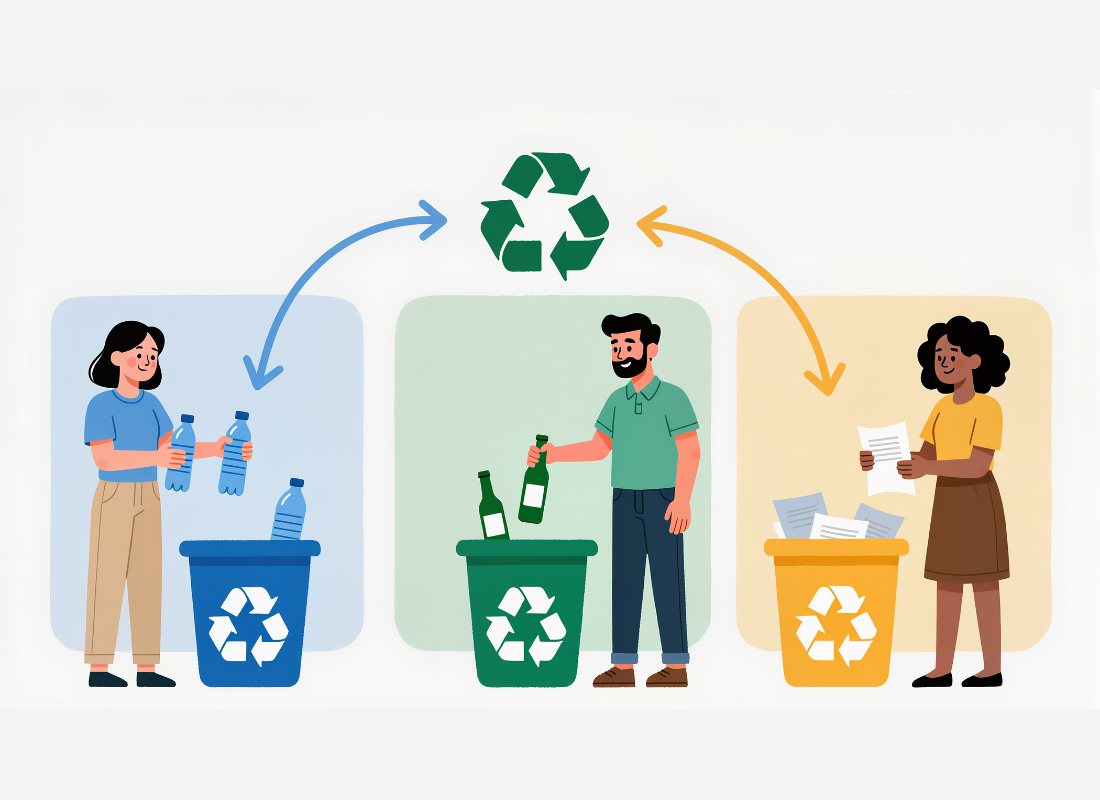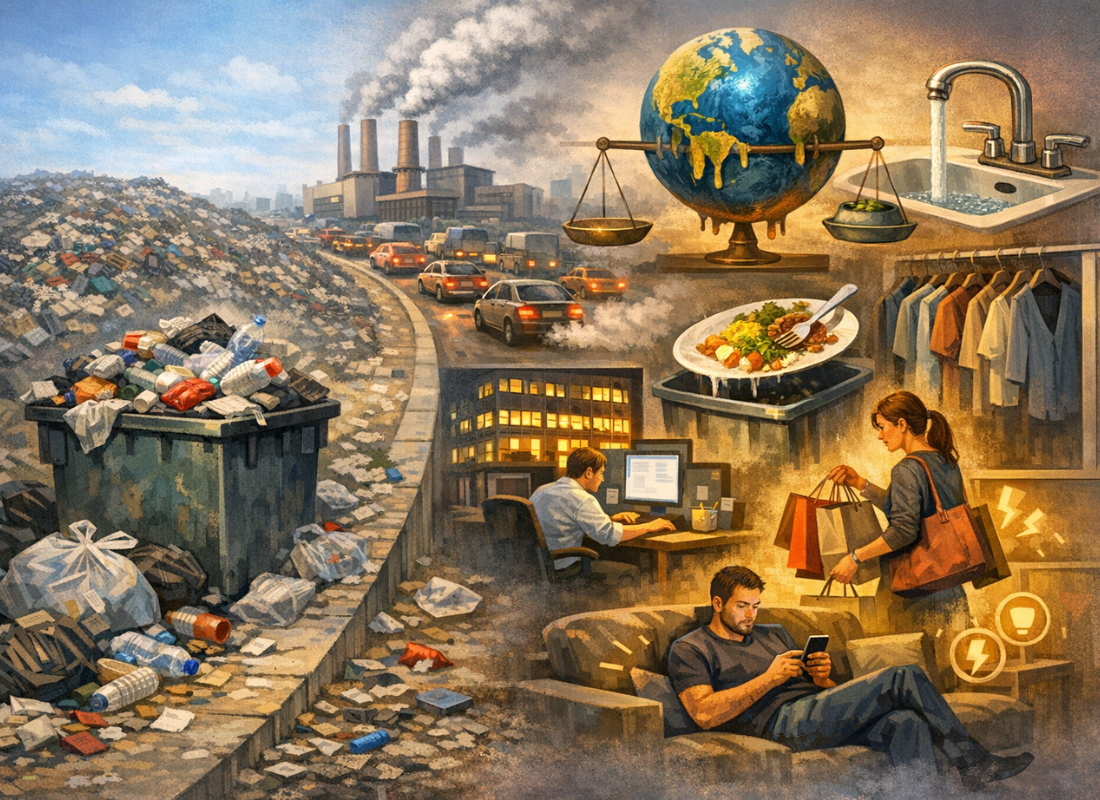
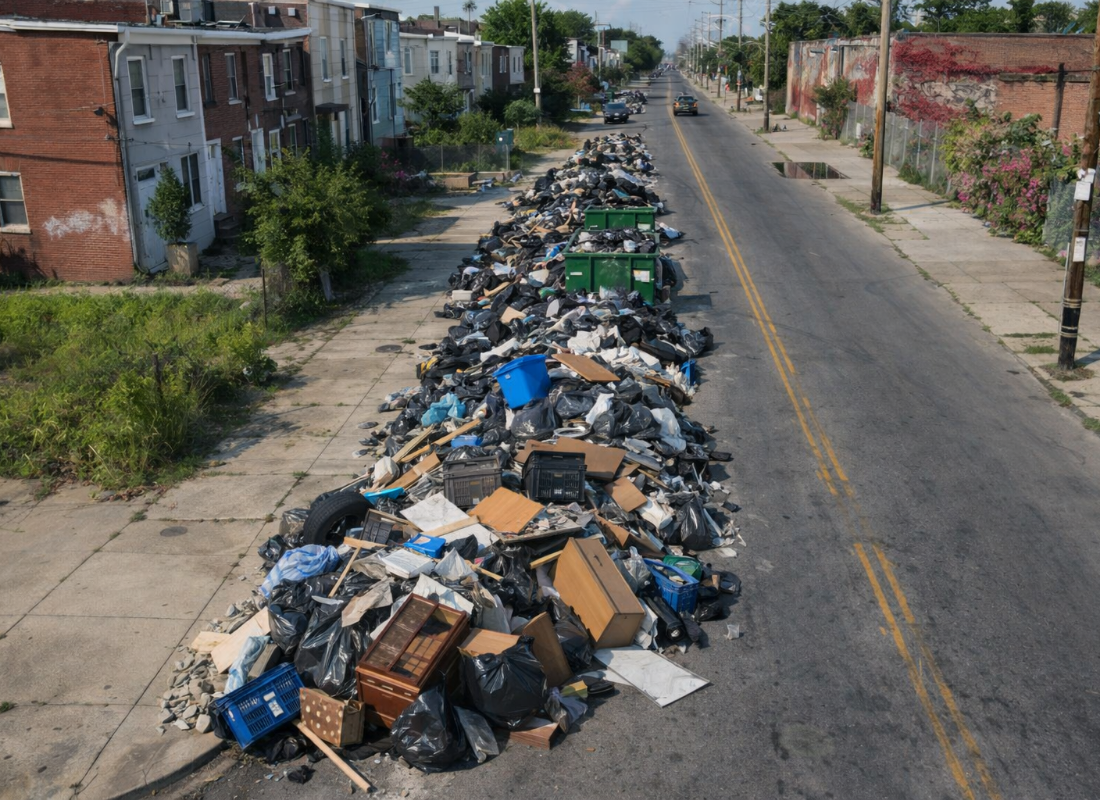
When people hear the word waste, they often picture overflowing trash bins, plastic bottles scattered along sidewalks, or landfills stretching endlessly beyond city limits. These images are familiar and troubling, but they only represent one part of a much larger issue. Waste is not limited to what we throw away. It also includes what we overuse, misuse, ignore, or fail to appreciate. In many cases, waste is invisible, built quietly into the way we live, work, and consume.
In a world facing climate change, resource shortages, and growing inequality, understanding waste in its broader sense is more important than ever. Recognizing that waste goes beyond physical garbage allows us to address its deeper causes and make more responsible choices for the future.
Redefining Waste in the Modern World
Traditionally, waste has been defined as something unwanted or unusable. Once an item no longer serves its purpose, it is discarded and forgotten. However, this narrow definition no longer reflects the reality of modern society. Waste also occurs when resources are used inefficiently, when systems are poorly designed, or when opportunities for improvement are overlooked.
For example, producing more goods than people actually need creates excess that often ends up unused or destroyed. Similarly, poorly planned systems—such as inefficient transportation or energy networks—consume far more resources than necessary. By redefining waste, we shift our focus from simply managing trash to preventing loss, improving efficiency, and valuing what we already have.
Physical Waste and the Culture of Overconsumption
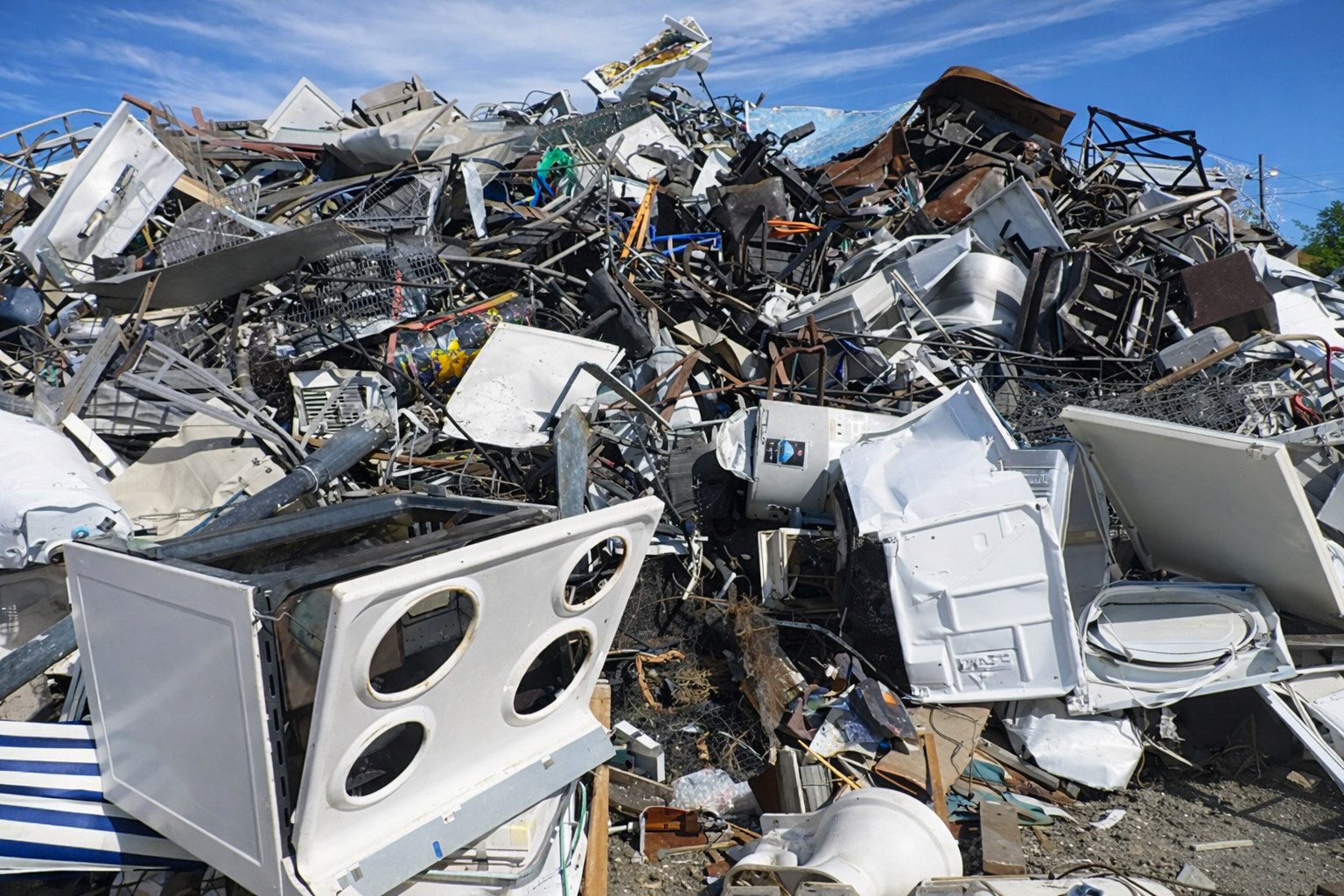
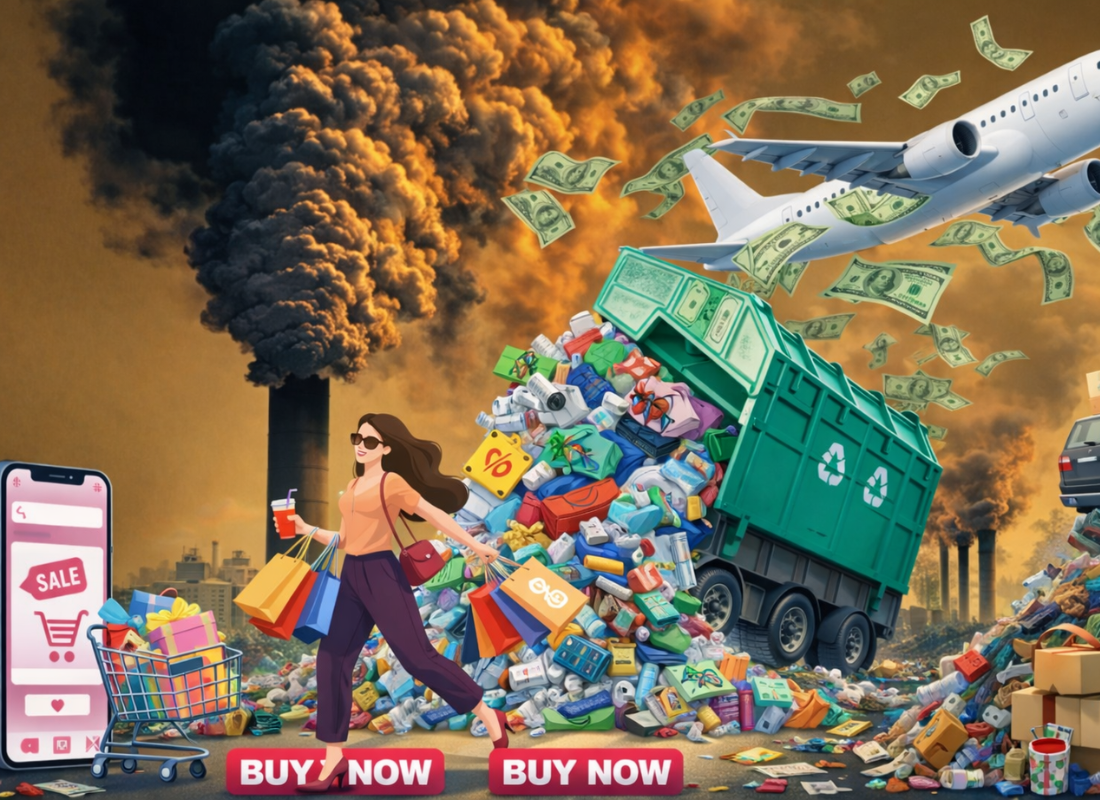
Physical waste is the most visible form of waste and the one most people associate with environmental problems. It is closely connected to overconsumption and a culture that promotes convenience and constant replacement. Products are often designed to be disposable, with short life spans and limited repair options. As a result, massive amounts of plastic, electronics, and packaging are thrown away each year.
Food waste is one of the most serious examples of physical waste. Large quantities of food are discarded due to overproduction, improper storage, or cosmetic standards that reject food that does not look “perfect.” When food is wasted, all the resources used to grow, transport, and package it are wasted as well. This includes water, energy, land, and human labor. At the same time, millions of people around the world struggle with hunger, highlighting a deep imbalance in how resources are distributed.
Wasted Natural Resources and Environmental Impact
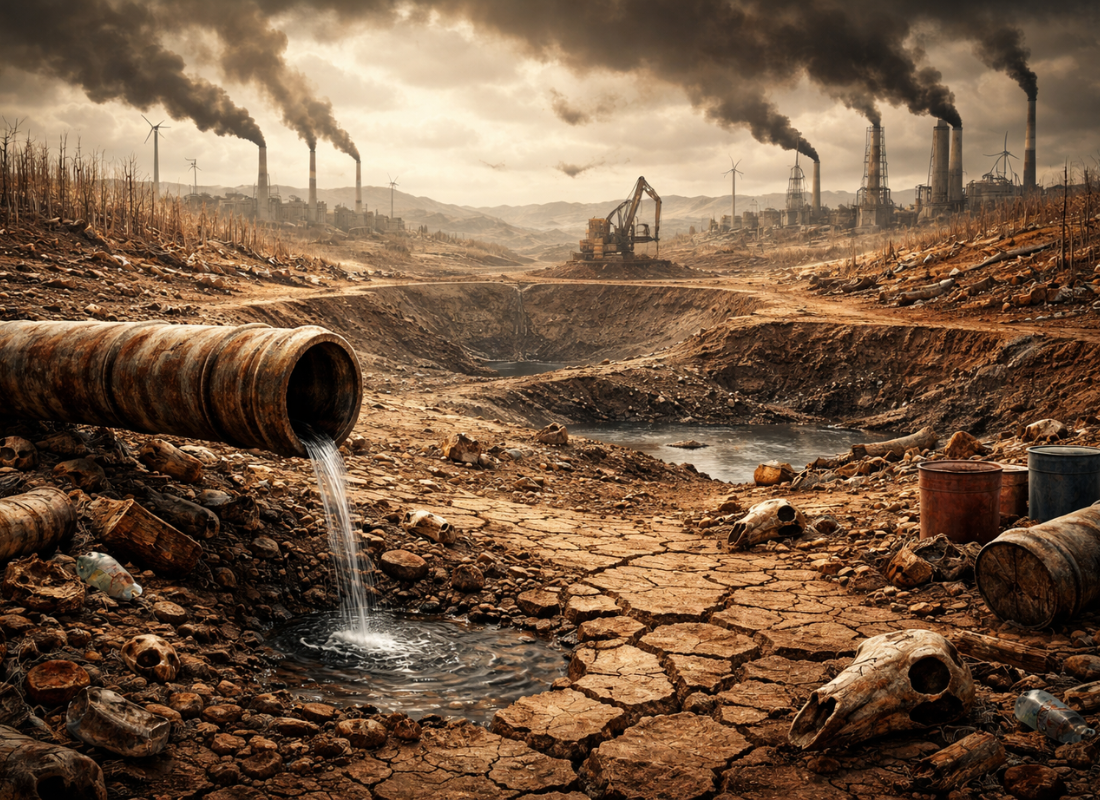
Not all waste is visible. Every time water is left running unnecessarily or electricity is used without purpose, valuable natural resources are wasted. Energy production often relies on fossil fuels, which contribute to air pollution and climate change. Even renewable energy requires infrastructure and materials that come at an environmental cost.
Water waste is another growing concern. Although water is renewable, it is not unlimited. In many parts of the world, communities face water shortages while others consume far more than they need. Wasting natural resources puts pressure on ecosystems, accelerates environmental damage, and reduces the availability of these resources for future generations.
Time as a Wasted Resource
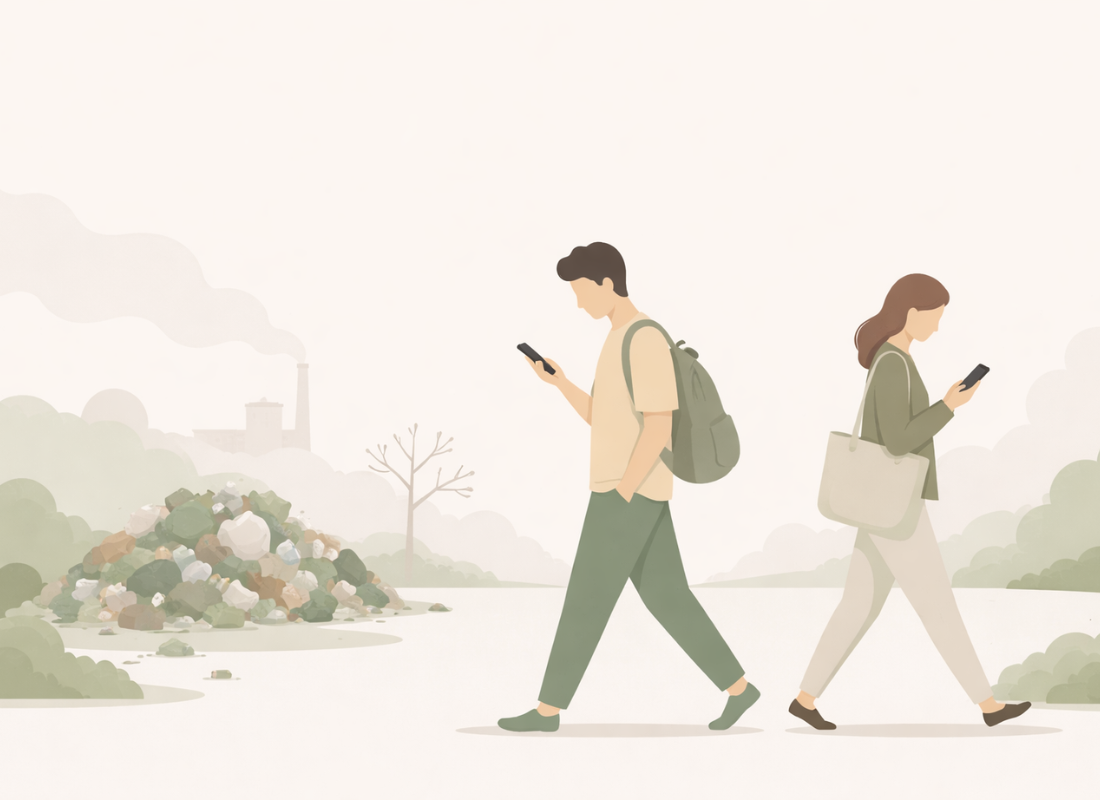
Time is one of the most valuable resources we have, yet it is often wasted without much thought. In today’s digital world, distractions are everywhere. Social media, constant notifications, and endless entertainment options make it easy to lose hours each day without gaining much in return.
While rest and enjoyment are important, excessive distraction can prevent people from focusing on personal growth, creativity, and meaningful relationships. Wasted time represents missed opportunities to learn new skills, reflect on goals, or contribute positively to society. Being more intentional with how time is spent can lead to a more balanced and fulfilling life.

The Cost of Wasting Human Potential
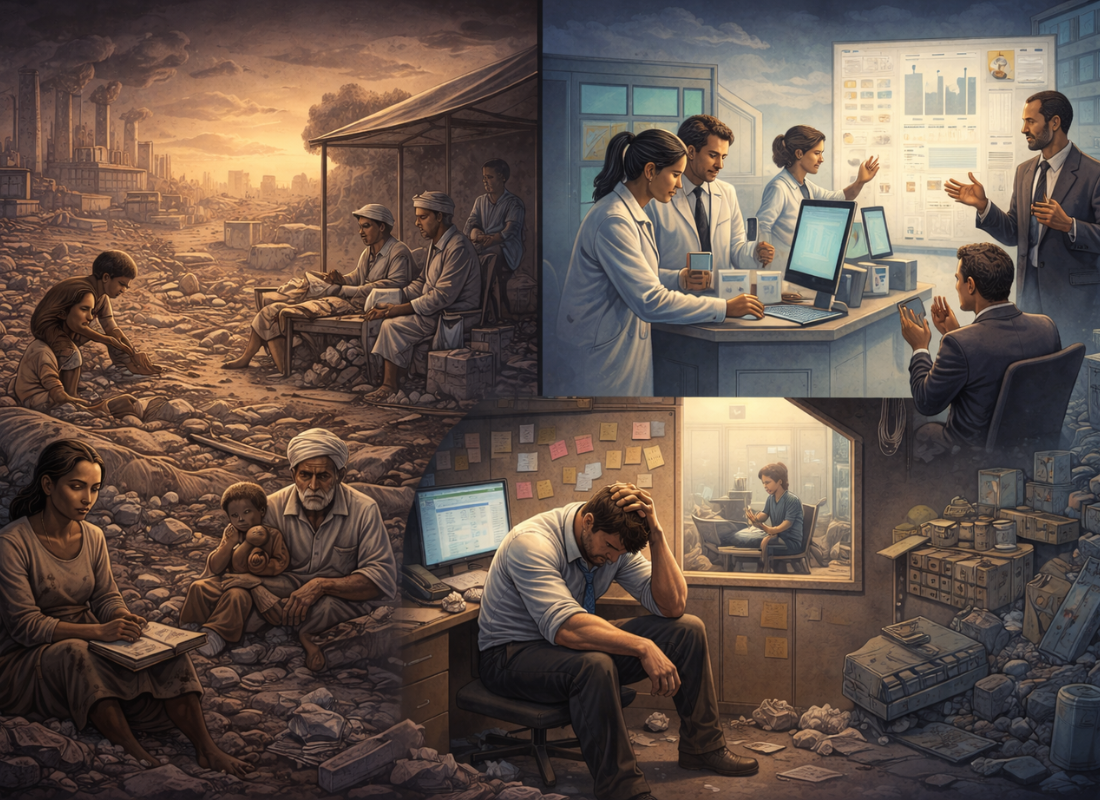
One of the most damaging and overlooked forms of waste is the waste of human potential. Around the world, millions of people lack access to education, healthcare, and employment opportunities due to poverty, discrimination, or systemic barriers. These individuals may have talents, ideas, and skills that are never fully developed or recognized.
When societies fail to invest in people, they lose innovation, creativity, and progress. Even in workplaces, human potential is often wasted through poor leadership, lack of support, or unhealthy work environments. Employees who feel undervalued or burned out are less engaged and less productive. This type of waste harms both individuals and organizations in the long term.
Structural Waste in Systems and Infrastructure
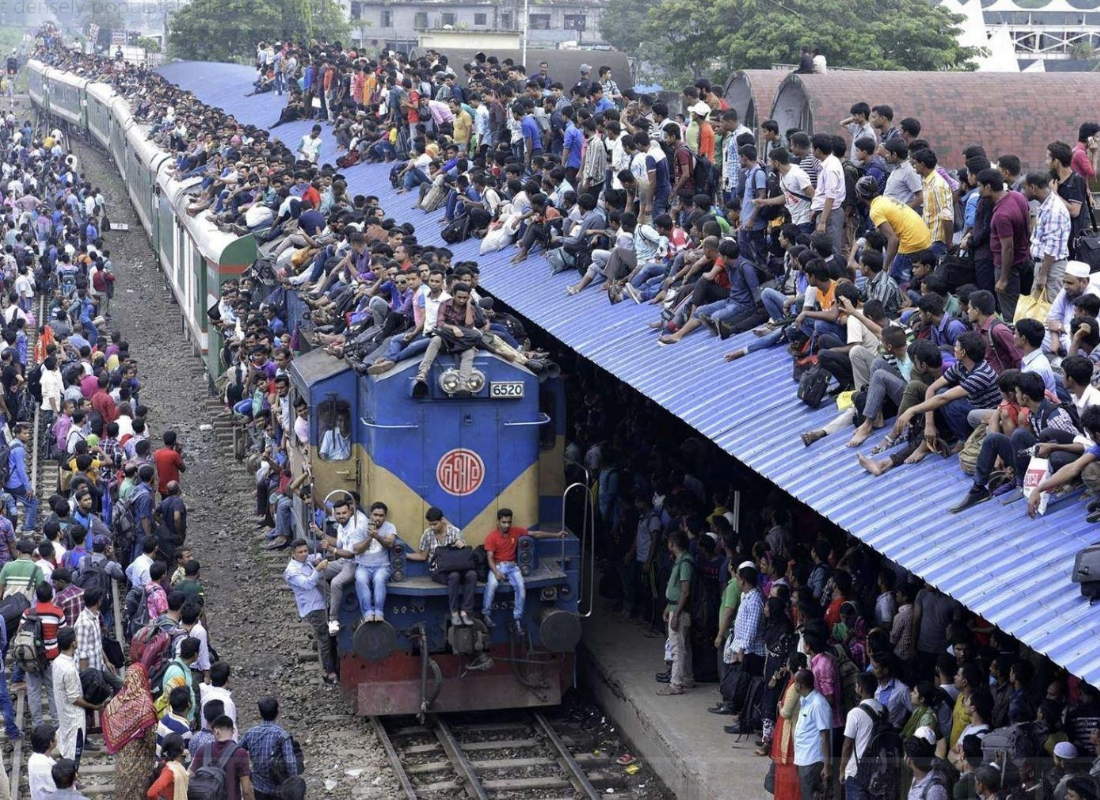
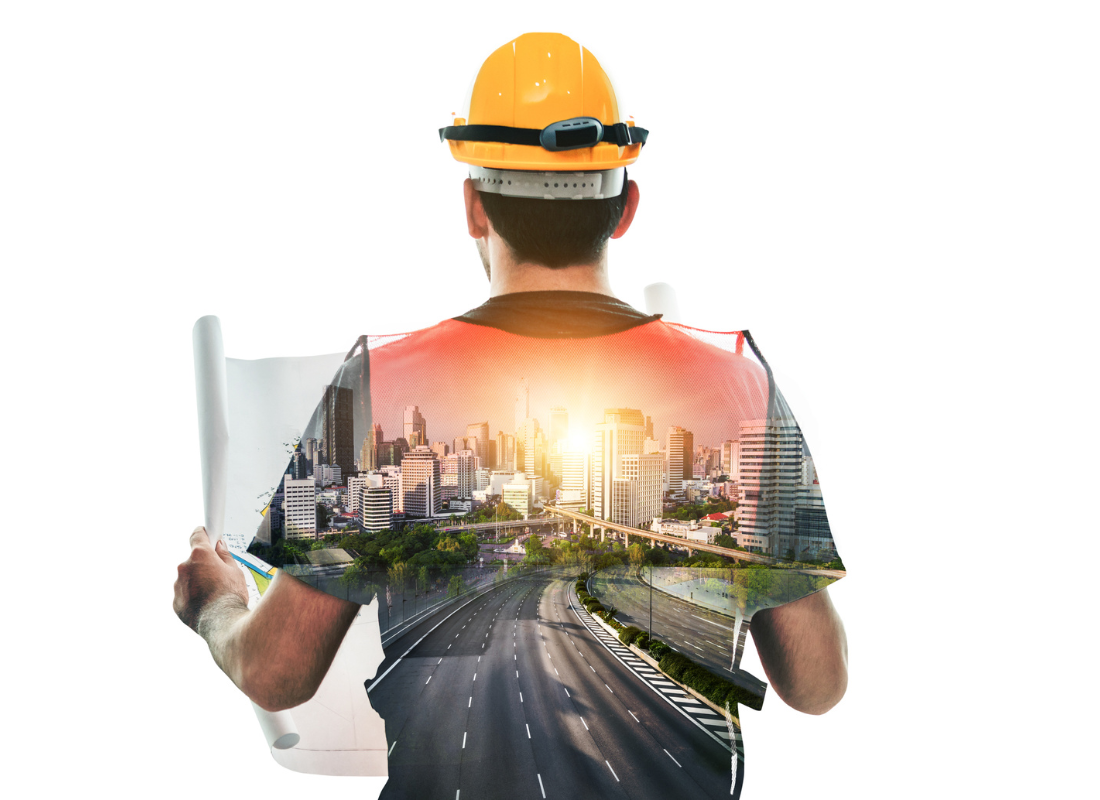
Waste is often built into the systems we depend on every day. Inefficient transportation systems lead to wasted fuel and long commutes. Poor urban planning can increase pollution and reduce quality of life. Outdated supply chains result in excess production and unsold goods that are eventually discarded.
Many industries still operate under a “take, make, dispose” model, where raw materials are extracted, turned into products, and thrown away after use. This linear approach creates enormous amounts of waste and environmental damage. Moving toward circular systems—where materials are reused, repaired, or recycled—can significantly reduce waste and conserve resources.
When Awareness and Responsibility Are Wasted
Another subtle form of waste is wasted awareness. People are constantly exposed to information about climate change, pollution, and social inequality. Over time, this can lead to emotional fatigue or apathy, where problems feel too overwhelming to address.
However, awareness only has value when it leads to action. Small choices, such as reducing consumption, supporting sustainable businesses, or advocating for better policies, can collectively make a meaningful difference. When people believe their actions do not matter, opportunities for positive change are wasted.
Building a Less Wasteful Future
Reducing waste requires more than recycling bins and reusable shopping bags. It requires a shift in mindset. Valuing quality over quantity, repairing instead of replacing, and using resources with intention are essential steps toward reducing waste.
Education plays a critical role in this process. When people understand the hidden costs behind everyday actions, they are more likely to make responsible choices. Businesses and governments also have a responsibility to design efficient systems, invest in sustainable technologies, and create policies that reduce waste at its source.
Final Thoughts: Waste Is About Value
Waste is not just what ends up in the trash. It includes wasted resources, wasted time, wasted potential, and wasted opportunities. Each form of waste represents something valuable that could have been used more wisely.
By redefining waste and becoming more mindful of how we live and consume, we can move toward a more sustainable, efficient, and thoughtful future. In a world with limited resources and growing challenges, learning to value what we have may be one of the most important changes we can make.