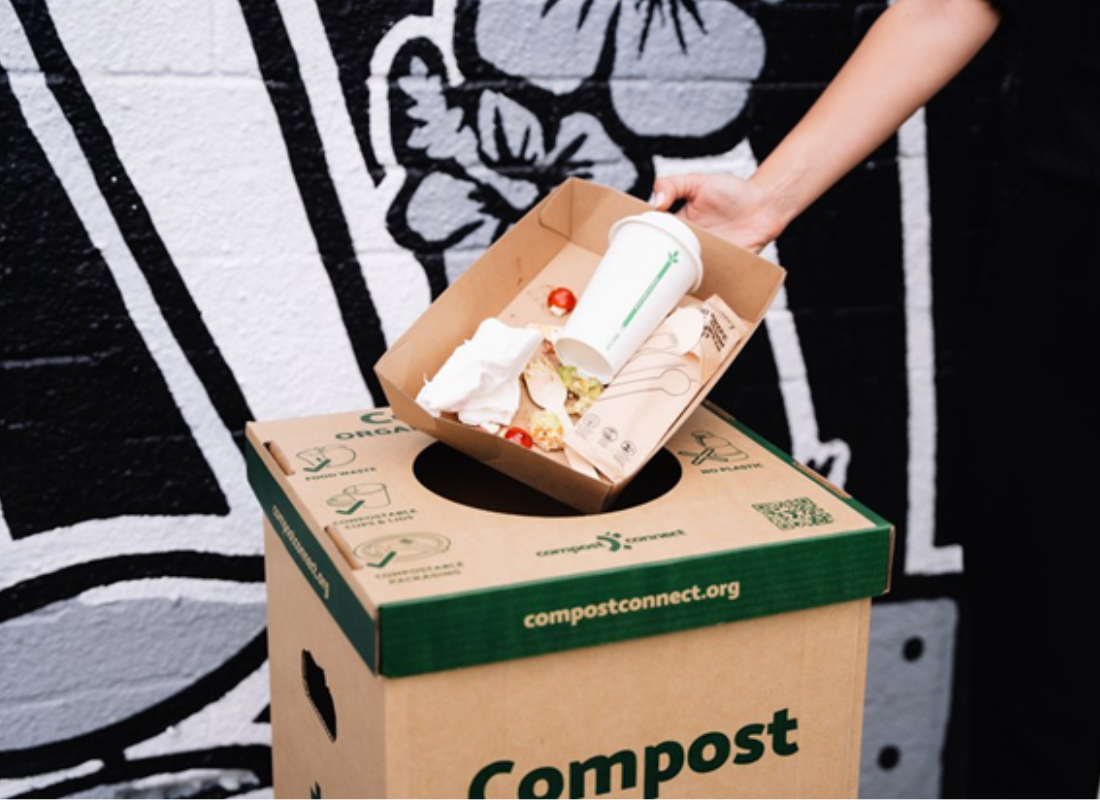
Biodegradable and compostable are often used as if they mean the same thing. They don’t. The confusion matters because it affects what people throw into recycling, organics, or trash and contamination can ruin entire batches of compost or recyclable materials.
Biodegradable simply means a material can be broken down by microorganisms. But the word alone usually leaves out the details that determine whether the claim is useful: how long it takes, under what conditions, and what’s left behind.
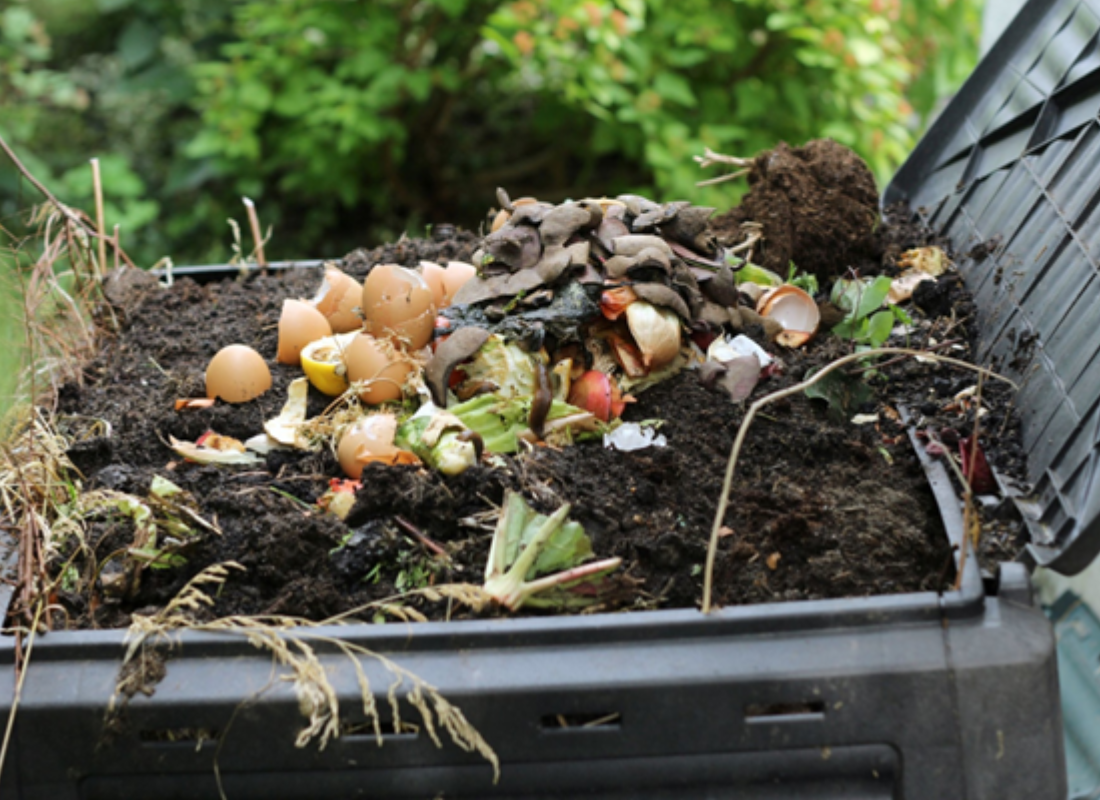 A product might biodegrade only in a specific environment (for example, with heat, oxygen, and moisture), or it may degrade so slowly in real-world conditions that it behaves more like conventional waste.
In some cases, it can fragment into tiny pieces rather than fully breaking down in a clean, complete way.
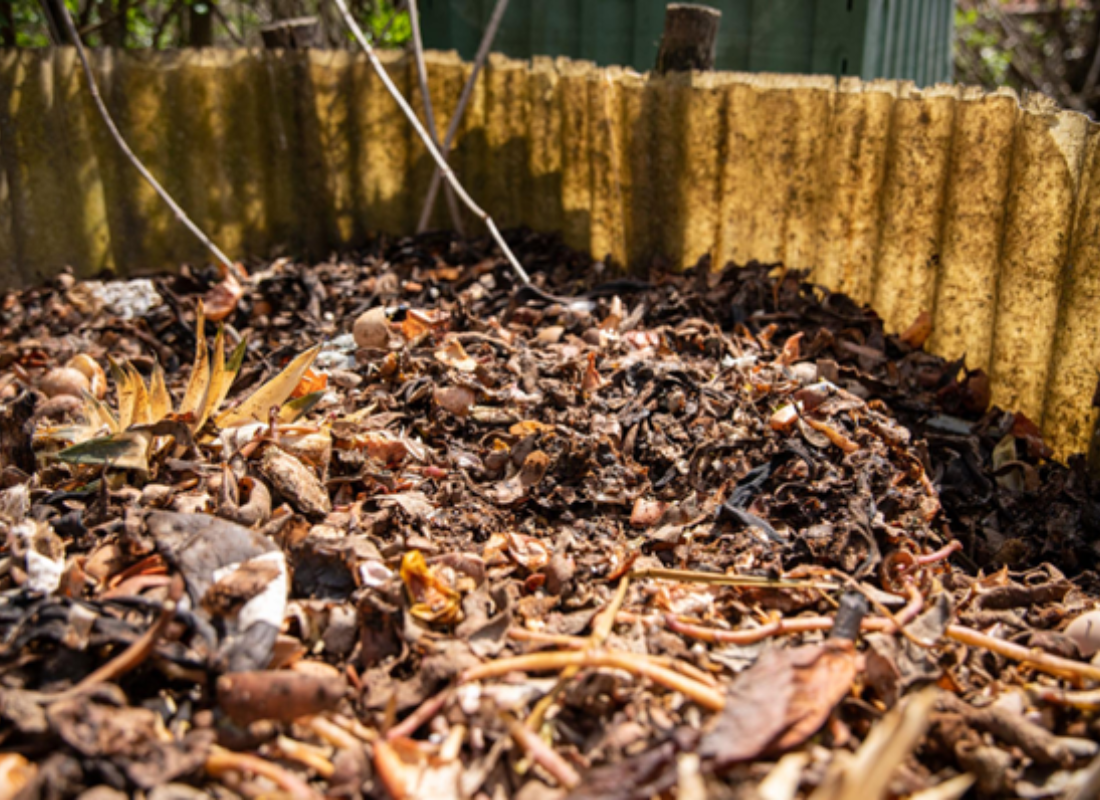 Compostable is more specific and stricter. Compostable items are designed to break down in a composting process into non-toxic components, within a defined timeframe, leaving no harmful residues and supporting the creation of usable compost.
In practice, many compostable products are intended for industrial composting facilities, where conditions like temperature, aeration, and humidity are controlled. That’s why something can be “compostable” yet still not work well in a backyard compost pile because home composting conditions vary a lot.
A reliable rule of thumb is:
- Everything compostable is biodegradable,
- But not everything biodegradable is compostable.
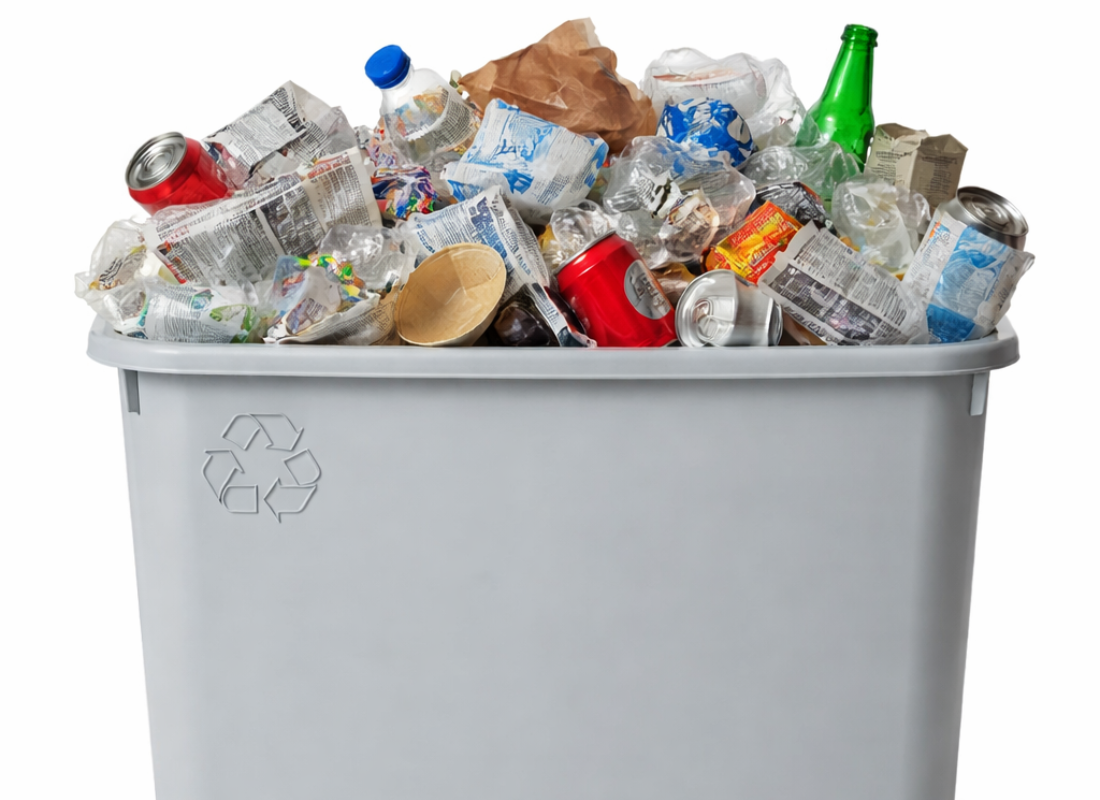 That second line is where most of the consumer confusion sits. When “biodegradable” is used as a broad marketing label, it can encourage people to treat the product as harmless even if it doesn’t break down effectively in the local waste system.
Composting programs, on the other hand, need materials that behave predictably. If an item breaks down too slowly or leaves residues, it can contaminate the compost stream and increase screening costs or cause loads to be rejected.
 So what should you do in everyday life?
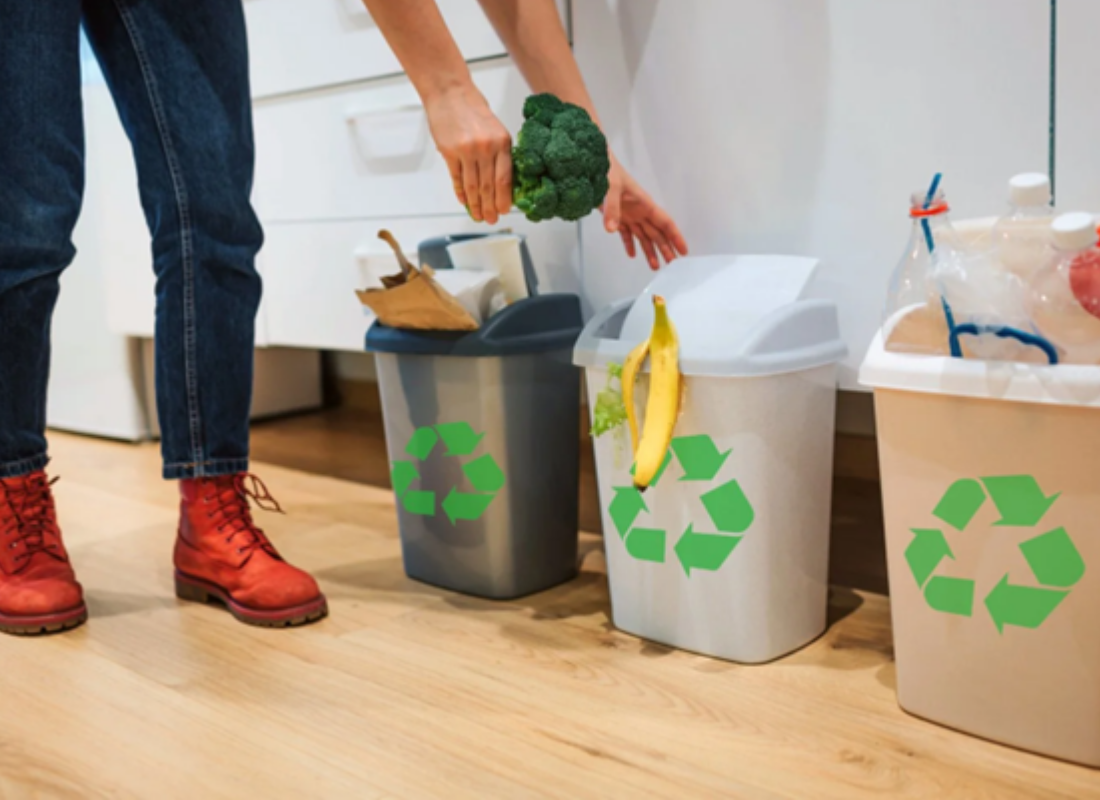
- Follow local disposal rules first. Even a truly compostable product may not be accepted everywhere.
- Be skeptical of “biodegradable” when it’s not explained. Ask: biodegradable where, and how fast?
- Look for clear compostability information backed by recognized standards/certifications, plus plain disposal instructions (industrial vs. home composting).
- Don’t treat compostable as “litter-safe.” Compostable still needs the right conditions to break down.
 In short, the difference isn’t just semantics. “Biodegradable” can be a vague promise; “compostable” should be a more measurable claim tied to defined conditions and outcomes.
The more precise the label, the easier it is to dispose of the product responsibly and the less likely it is to cause problems downstream.