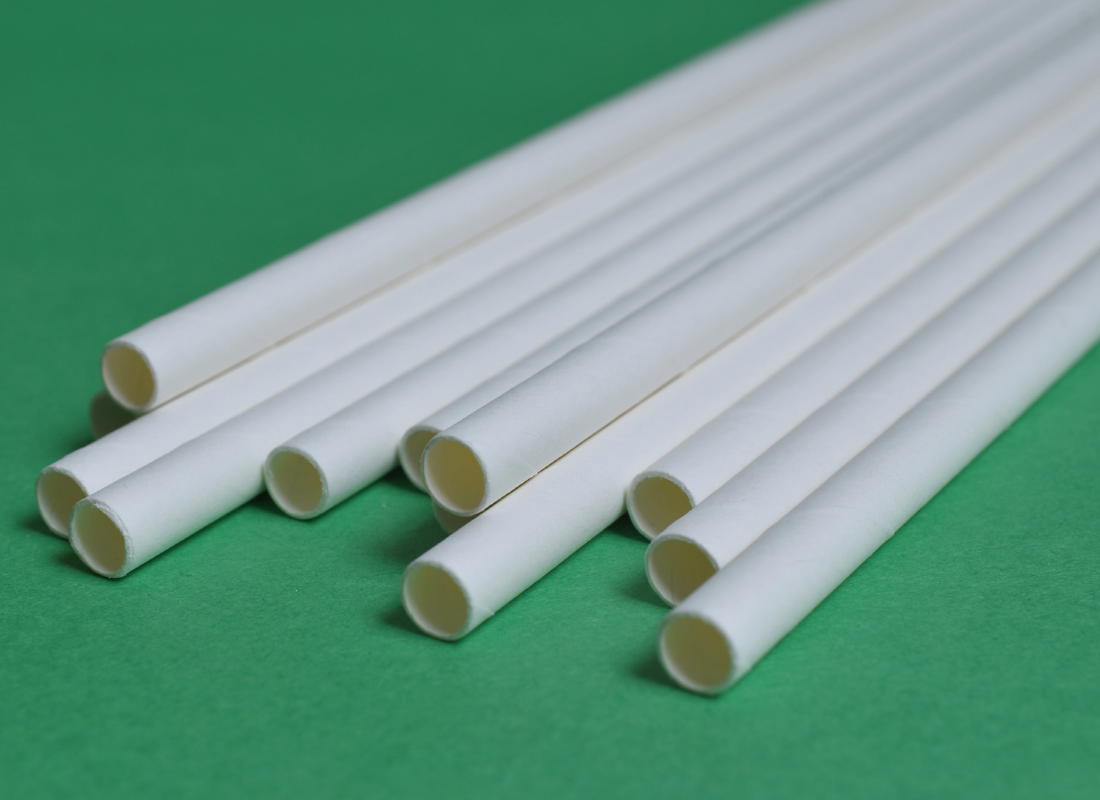
When paper straws first appeared in mainstream hospitality, they were framed as a clear moral upgrade. Plastic was bad. Paper was good. The choice felt obvious, even overdue. For brands eager to signal environmental responsibility, the paper straw became a visible, low-effort way to demonstrate progress.
And yet, years later, the paper straw has become one of the most quietly resented objects in modern consumer experience.
Guests complain. Staff apologise. Social media mocks. What was meant to represent environmental leadership now often represents inconvenience, inconsistency, and performative sustainability. The paper straw lesson is not really about straws at all — it’s about how well-intentioned “progressive” purchasing decisions can backfire when symbolism outweighs function.
When Visibility Becomes the Point
Paper straws spread not because they were the best solution, but because they were the most visible one. They offered an immediate, tangible signal: look, we’re doing something. For hospitality brands, visibility matters. Guests rarely see supply chains, waste contracts, or energy systems. But they do see what’s in their glass.
That visibility made paper straws attractive to decision-makers under pressure to show action quickly. Procurement teams could switch suppliers, marketing teams could highlight the change, and leadership could point to a concrete sustainability win.
The problem is that visibility is a double-edged sword. When a sustainable product behaves differently from the one it replaces, the guest experiences that difference immediately — and repeatedly.

The Experience Gap
Plastic straws worked. They lasted. They didn’t change the taste of a drink. They didn’t collapse halfway through a cocktail. Paper straws, in many cases, did all of those things.
Suddenly, sustainability was no longer invisible. It was intrusive.
Guests found themselves rushing to finish drinks before the straw softened. Staff fielded complaints or proactively offered replacements. Bars burned through more units per drink than before, quietly increasing cost and waste. What began as an environmental gesture introduced friction into moments that were supposed to feel effortless.
In hospitality especially, friction is fatal. Guests pay for comfort, flow, and consistency. Any object that pulls attention away from the experience — especially something as small as a straw — becomes disproportionately disruptive.

From Ethical Signal to Brand Liability
What makes the paper straw lesson so instructive is how quickly the narrative flipped. The same straw that once signalled progress came to signal corner-cutting.
In premium environments, this was even more pronounced. A soggy paper straw in a carefully crafted cocktail does not read as “eco-conscious.” It reads as “compromised.” The guest doesn’t think about ocean plastic. They think about why something feels cheaper than expected.
This is where many sustainability initiatives stumble. Brands assume that good intentions will be recognised and rewarded. In reality, guests judge outcomes, not motives. If a sustainable alternative degrades the experience, it doesn’t feel virtuous — it feels like a downgrade justified by ideology.
 The Operational Cost No One Anticipated
Beyond guest perception, paper straws created internal complexity. Products that require explanation almost always do.
Staff had to answer questions. Managers had to manage complaints. Procurement teams had to justify higher consumption rates. Training had to include scripts about sustainability rather than focusing purely on service.
None of this shows up neatly in a sustainability report, but it shows up daily in operations.
True operational excellence relies on things working as expected. When a product behaves exactly like its predecessor — or better — it disappears from attention. When it doesn’t, it becomes a recurring issue, no matter how small it seems on paper.

Sustainability That Simply Works
One of the clearest lessons from the paper straw era is not that sustainability failed — it’s that visibility was mistaken for progress. The most successful sustainable choices are often the ones you barely notice at all.
When sustainability works properly, it fades into the background. There are no apologies from staff, no explanations to guests, no distractions from the moment. The product performs exactly as expected, the experience remains intact, and environmental impact is reduced quietly and confidently.
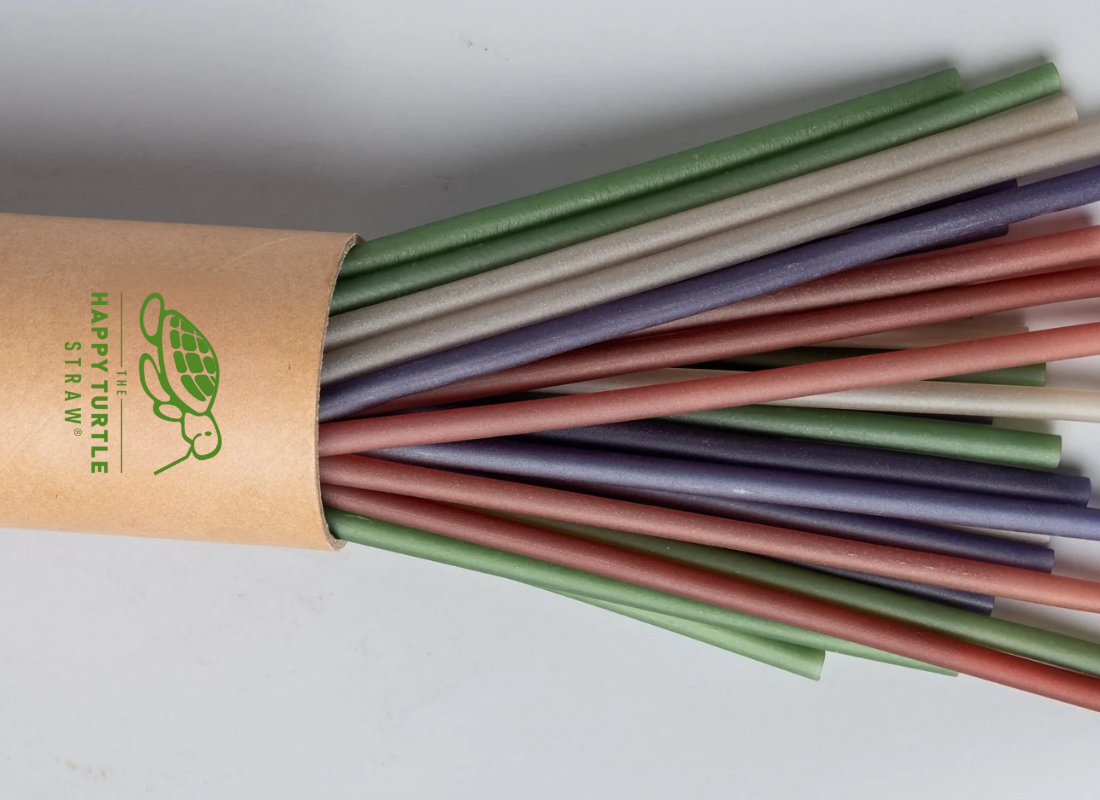
This is where a new generation of alternatives, such as rice-based straws from The Happy Turtle Straw, marks a meaningful shift. Rather than asking guests to adapt their behaviour, these solutions are engineered to match the function, feel, and reliability people already expect. Sustainability becomes a built-in standard, not a talking point.
Too often, “progressive” purchasing has focused on signalling intent rather than delivering performance. The result has been well-meaning but highly visible changes that struggle in real-world use. In contrast, materials designed to behave like the products they replace allow sustainability to disappear into the experience — exactly where it belongs.
This kind of sustainability succeeds because it preserves the rhythm of service. There’s no interruption, no adjustment, no moment where the guest is asked to trade quality for values. The experience remains seamless, which is ultimately the strongest signal a brand can send.

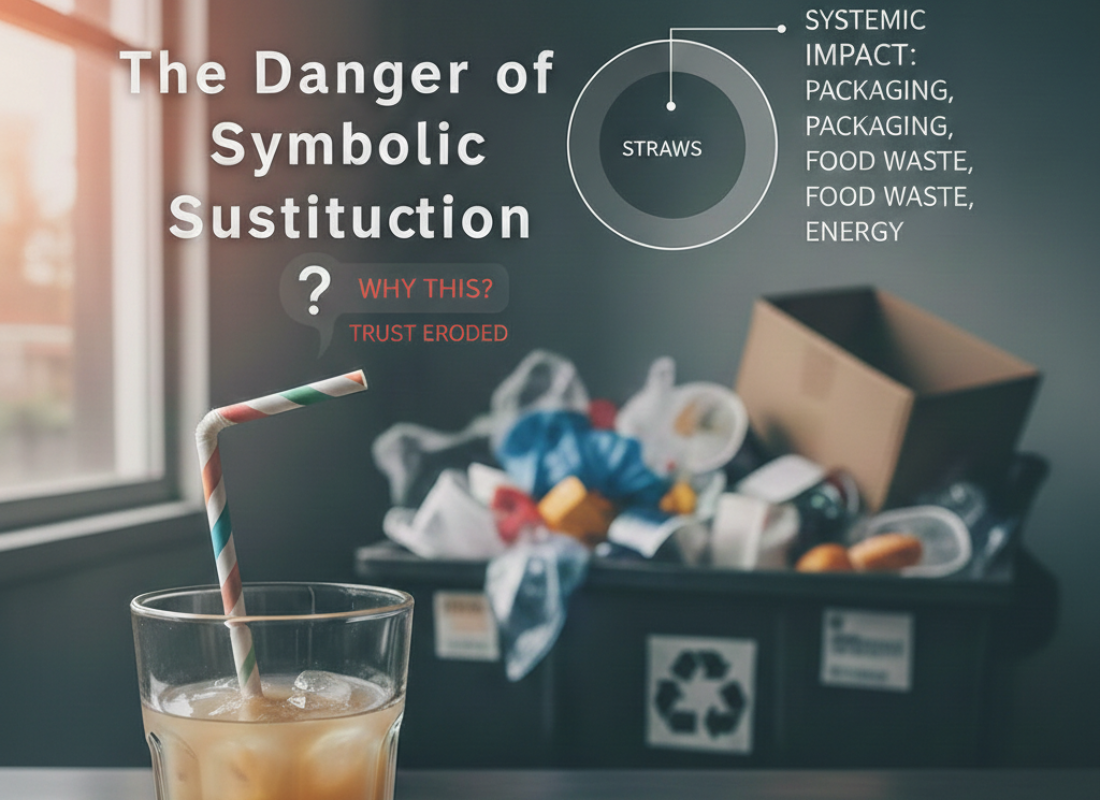
The Danger of Symbolic Substitution
Paper straws also highlight a broader issue: symbolic substitution. This is when a complex environmental challenge is reduced to a single, highly visible swap that creates the impression of action without addressing systemic impact.
Straws make up a tiny fraction of plastic waste, especially compared to packaging, logistics, food waste, or energy use. But they became a focal point because they were easy to replace and easy to see.
Symbolic substitutions can be useful entry points, but only if they don’t undermine trust. When guests start questioning why a brand chose a worse product in the name of sustainability, confidence erodes. Once that happens, even genuinely impactful initiatives can be met with scepticism.
A More Mature Phase of Sustainability
The backlash against paper straws doesn’t mean consumers reject sustainability. It means they reject inconvenience disguised as virtue.
Today’s guests are more environmentally aware than ever, but they are also more discerning. They expect brands to solve problems properly, not outsource discomfort to the end user. They are increasingly intolerant of initiatives that feel performative rather than considered.
This signals a maturation phase. Sustainability is no longer about being seen to care. It’s about integrating responsibility so seamlessly that it doesn’t require applause.
The Real Lesson
The paper straw lesson is simple but demanding: sustainability must strengthen the experience, not compete with it.
A “progressive” choice that creates frustration is not progress — it’s misalignment. Procurement decisions carry brand consequences, and the smallest objects can carry the loudest messages.
The most sophisticated operators are learning this now. They are moving away from symbolic swaps and toward solutions that preserve feel, function, and expectation. They understand that values are best communicated through execution, not explanation.
The aim was never to alter the guest experience, but to improve it without drawing attention.
And that is where sustainability finally stops being a purchasing problem — and starts being a design principle.