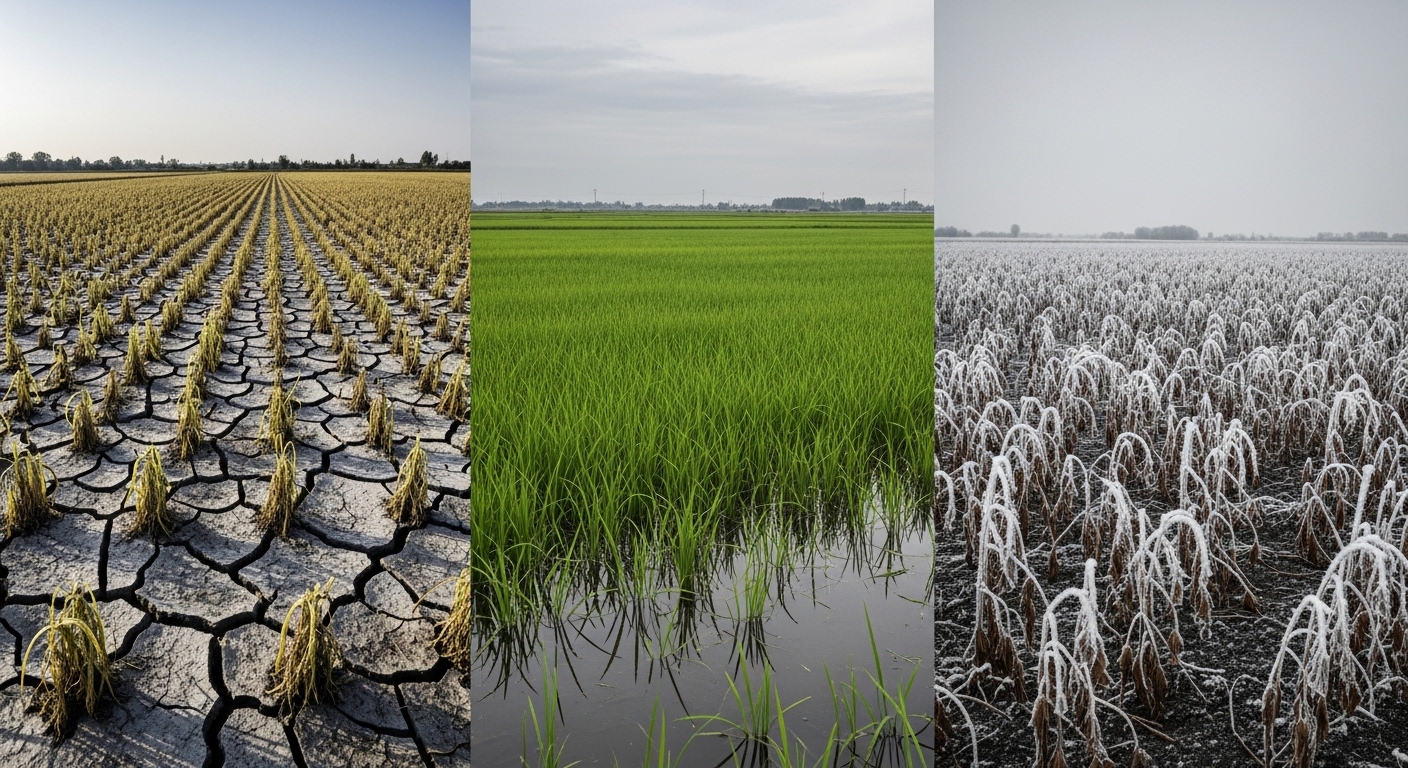
Imagine a world where a single drought wipes out an entire season’s harvest. Where flooding destroys the rice paddies that feed millions. Where unpredictable frosts kill the crops that farmers have tended for generations. This is not a distant dystopia — for hundreds of millions of farmers around the world, it is already a lived reality.
As climate change accelerates, the way we grow food is being forced to evolve. The solution lies in something both ancient and revolutionary: climate resilient crops — plants that can withstand the extremes of a changing world while nourishing people and protecting the planet at the same time.
 Why Climate Change Is a Food Crisis
The link between climate change and food security is direct and devastating. Rising global temperatures, shifting rainfall patterns, more frequent extreme weather events, and the spread of pests and diseases are already reducing crop yields worldwide.
According to the Intergovernmental Panel on Climate Change (IPCC), yields of major staple crops — including wheat, maize, and rice — could decline by up to 25% by 2050 if no adaptation measures are taken. For a planet projected to host nearly 10 billion people by mid-century, that is a staggering shortfall.
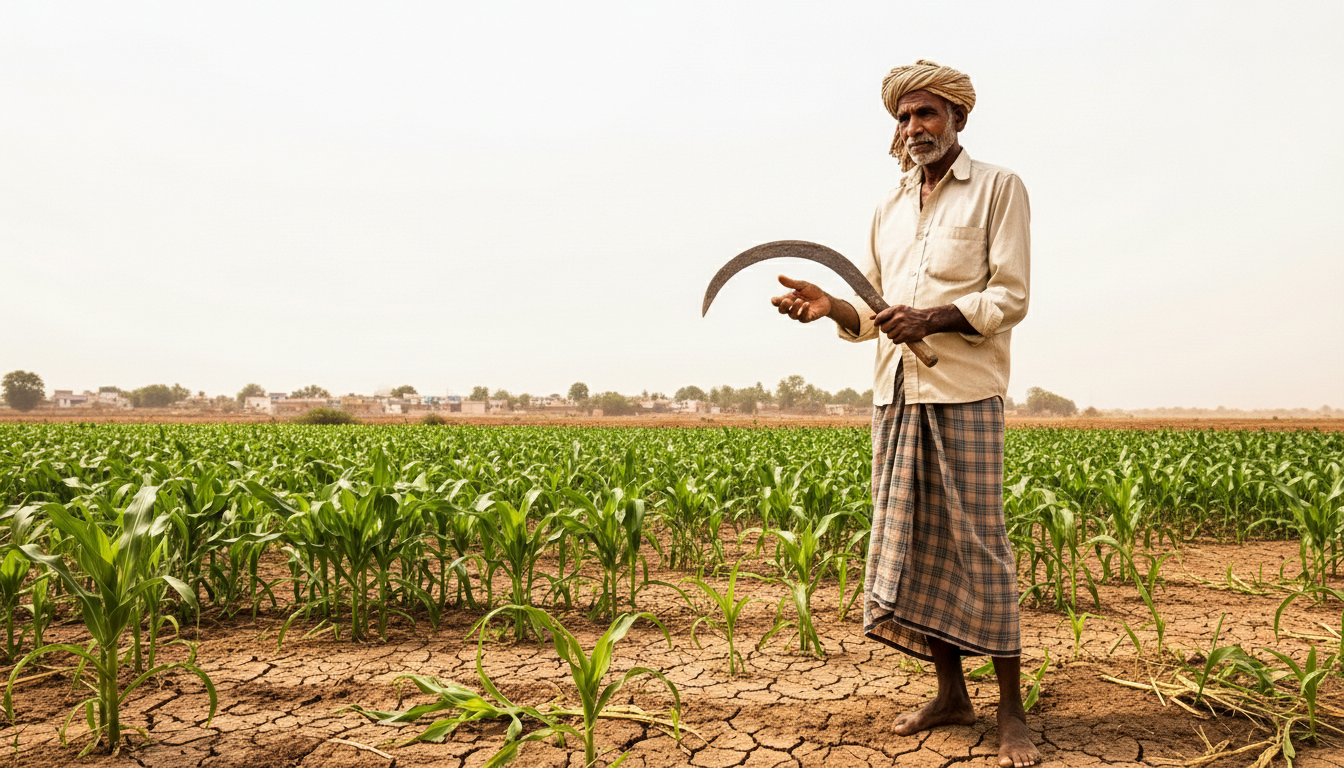
The communities most at risk are those who can least afford it: smallholder farmers in Sub-Saharan Africa, South and Southeast Asia, and Latin America, who depend on rain-fed agriculture and have the fewest resources to adapt.
Food insecurity doesn’t just mean hunger. It triggers migration, conflict, economic collapse, and a cascade of environmental consequences as desperate populations clear forests and overexploit natural resources in search of arable land.
 What Makes a Crop “Climate Resilient”?
A climate resilient crop is one that can maintain productivity and stability under conditions that would devastate conventional varieties. These traits include:
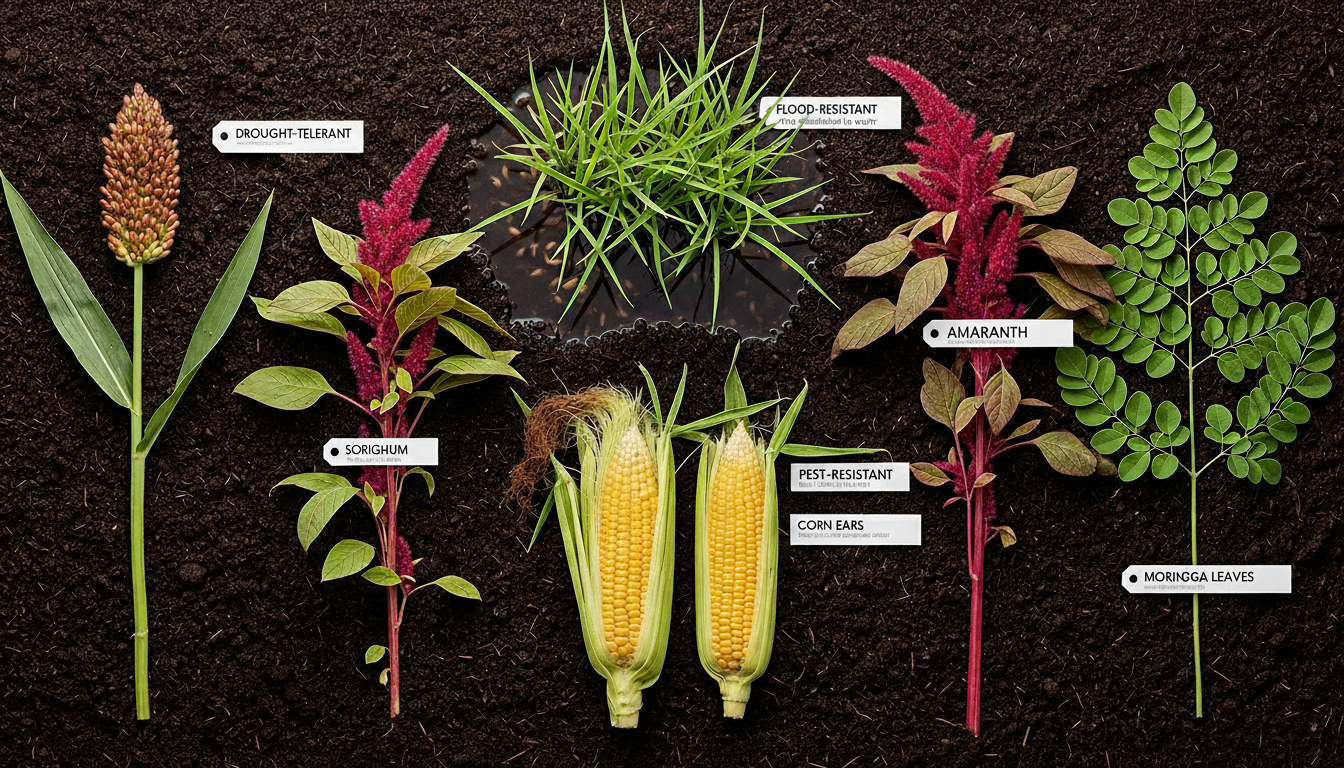
Drought tolerance — the ability to survive and produce yields with significantly less water, a critical trait as freshwater becomes increasingly scarce in many regions.
Flood resistance — the capacity to withstand prolonged submersion, which is essential in low-lying areas prone to monsoon flooding.
Heat tolerance — the ability to flower, pollinate, and set seed even when temperatures exceed the optimal range for growth.
Pest and disease resistance — natural defenses against the new pathogens and insects that are spreading into previously unaffected regions as temperatures rise.
Nutritional stability — the ability to maintain nutritional value even under stress conditions, since elevated CO₂ levels have been shown to reduce the protein and mineral content of some crops.
These traits are found in traditional and indigenous varieties that have been cultivated over centuries, as well as in new varieties developed through modern plant breeding and, increasingly, through biotechnology.
 Rice: A Resilient Crop at the Center of the Storm
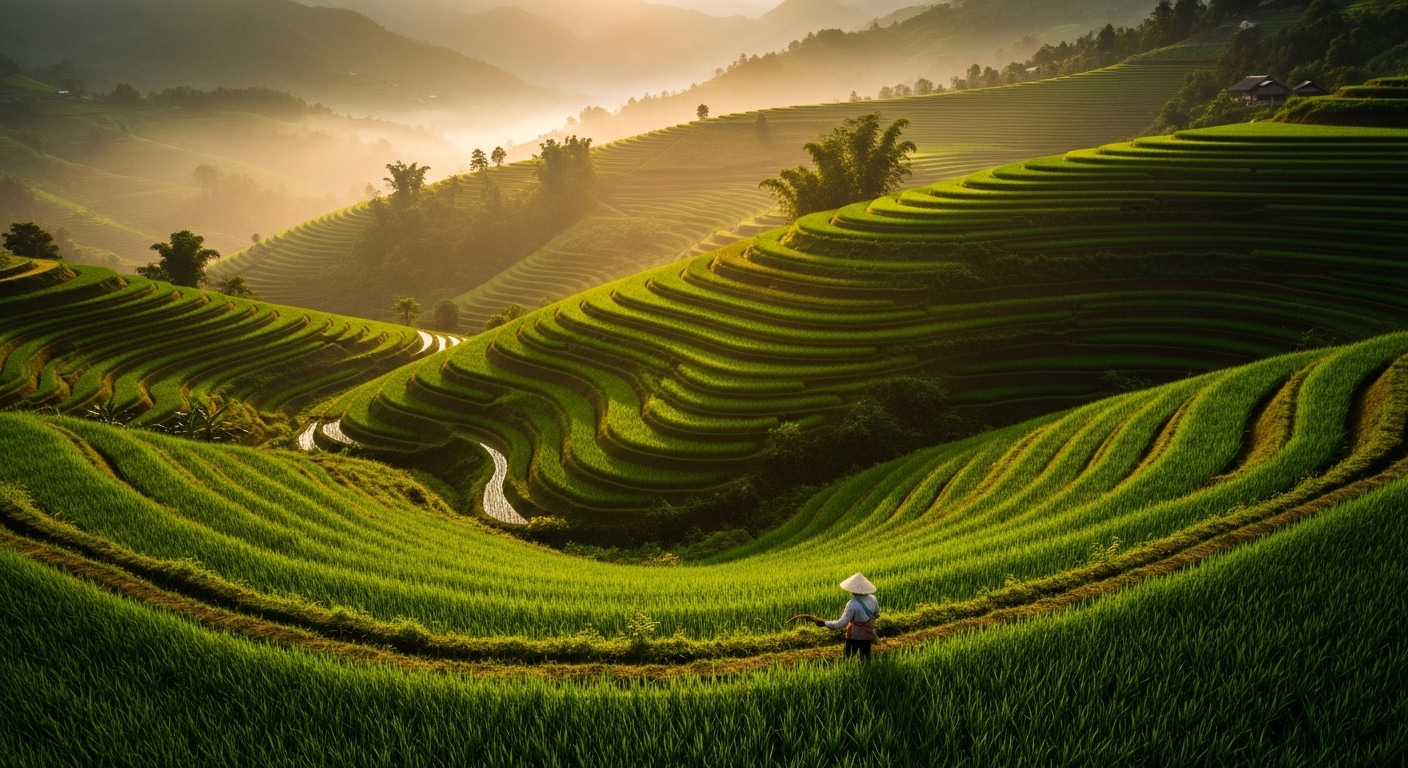
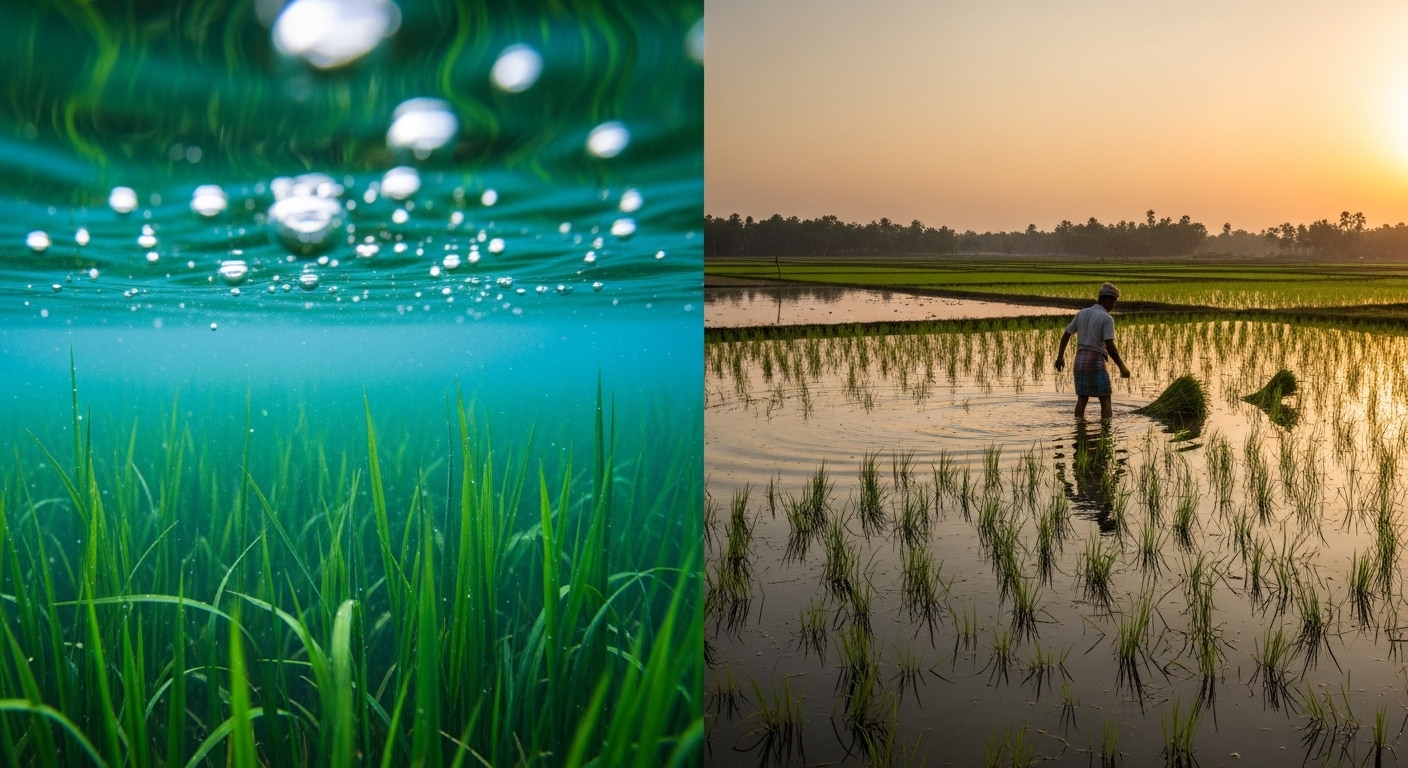
Rice feeds more than half of the world’s population and is the primary caloric source for billions of people across Asia, Africa, and Latin America. It is also one of the crops most vulnerable to climate disruption — and one of the most promising frontiers for climate resilient agriculture.
Scientists at the International Rice Research Institute (IRRI) have developed varieties like Swarna-Sub1, a flood-tolerant rice that can survive up to 17 days of complete submersion — a breakthrough for farmers in flood-prone regions of Bangladesh, India, and the Philippines. Other varieties are being developed to tolerate drought, salinity, and extreme heat.
Beyond resilience, rice cultivation is also being reimagined for sustainability. Traditional paddy rice farming produces significant methane emissions — a potent greenhouse gas. New techniques like Alternate Wetting and Drying (AWD) can reduce water use by up to 30% and cut methane emissions by up to 50%, without reducing yields.
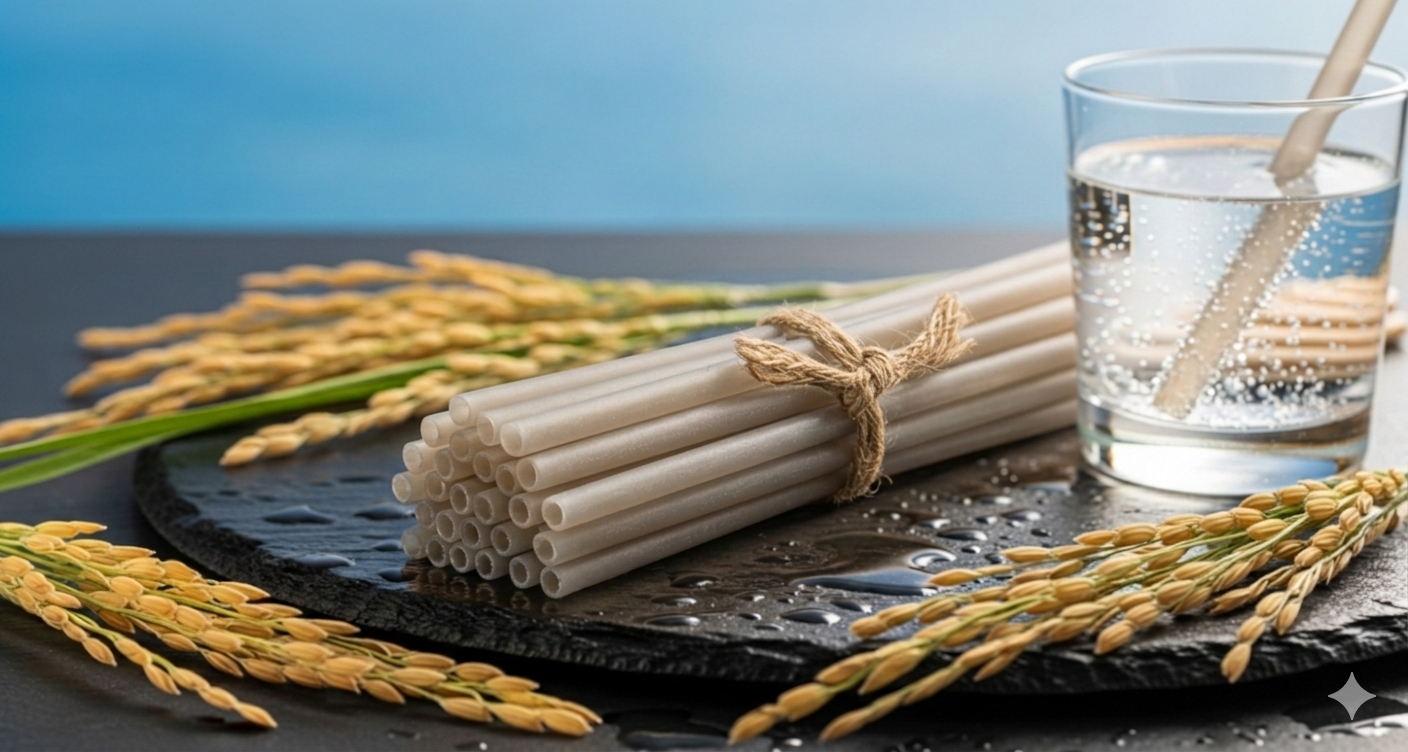
And then there is the story of the rice plant beyond the grain. Stalks, husks, and straw — once considered agricultural waste — are now being transformed into innovative, sustainable products. Products like ours.
 Ancient Wisdom Meets Modern Science
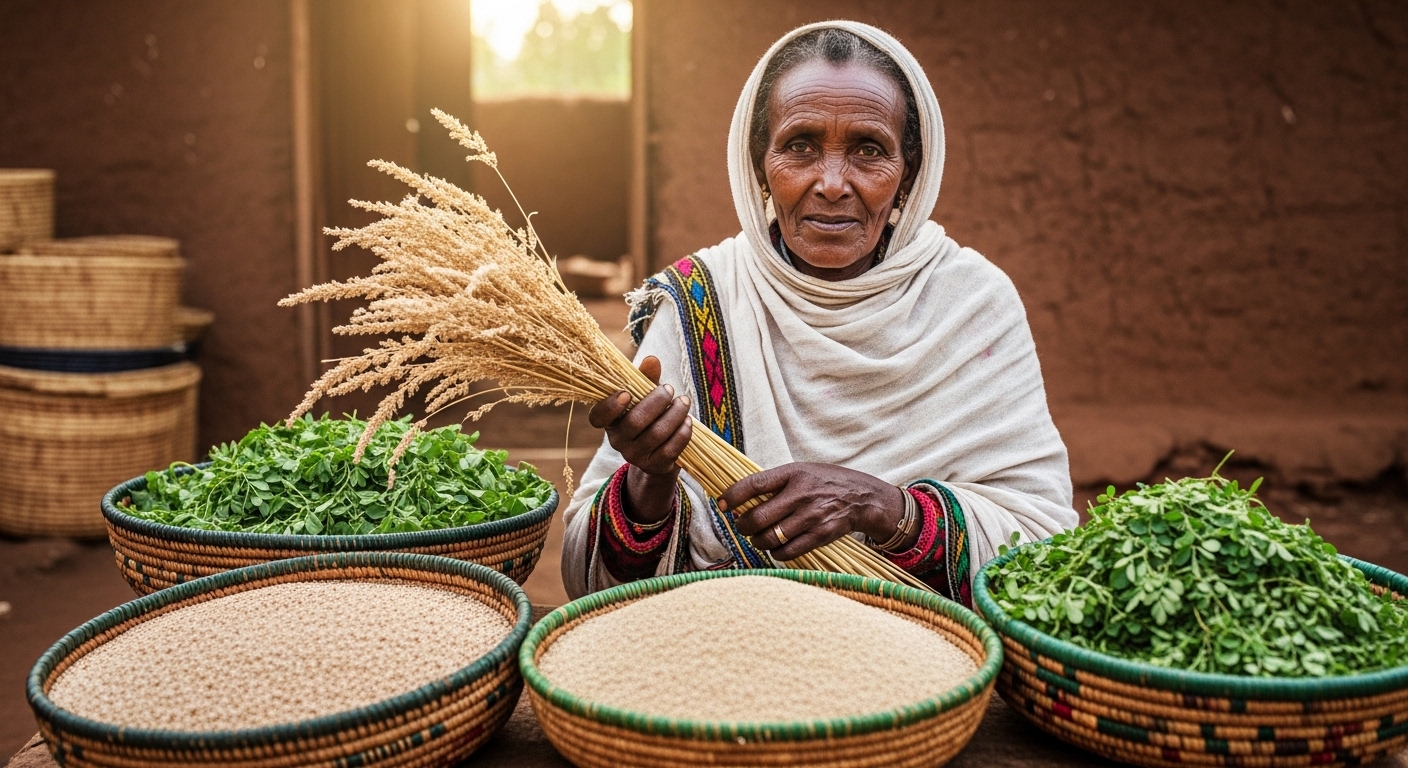
Some of the most promising climate resilient crops are not new inventions at all. They are varieties that indigenous and traditional farming communities have preserved for generations, often in the face of pressure to adopt industrial monocultures.
Teff, a tiny grain from Ethiopia, is extraordinarily drought resistant and highly nutritious. Amaranth, cultivated by Aztec civilizations for thousands of years, thrives in poor soils and high temperatures. Moringa, native to South Asia, grows in arid conditions and provides dense nutrition. Fonio, a West African grain, produces yields in sandy soils with minimal rainfall.
These crops represent not just food security, but biodiversity itself. Each variety is a repository of genetic information shaped by millennia of adaptation — information that could prove invaluable as we engineer the agricultural systems of the future.
Protecting these crops means protecting the knowledge of the communities that cultivated them. It means supporting seed banks, indigenous land rights, and agroecological farming practices that work with nature rather than against it.
 The Role of Sustainable Agriculture in a Resilient Future
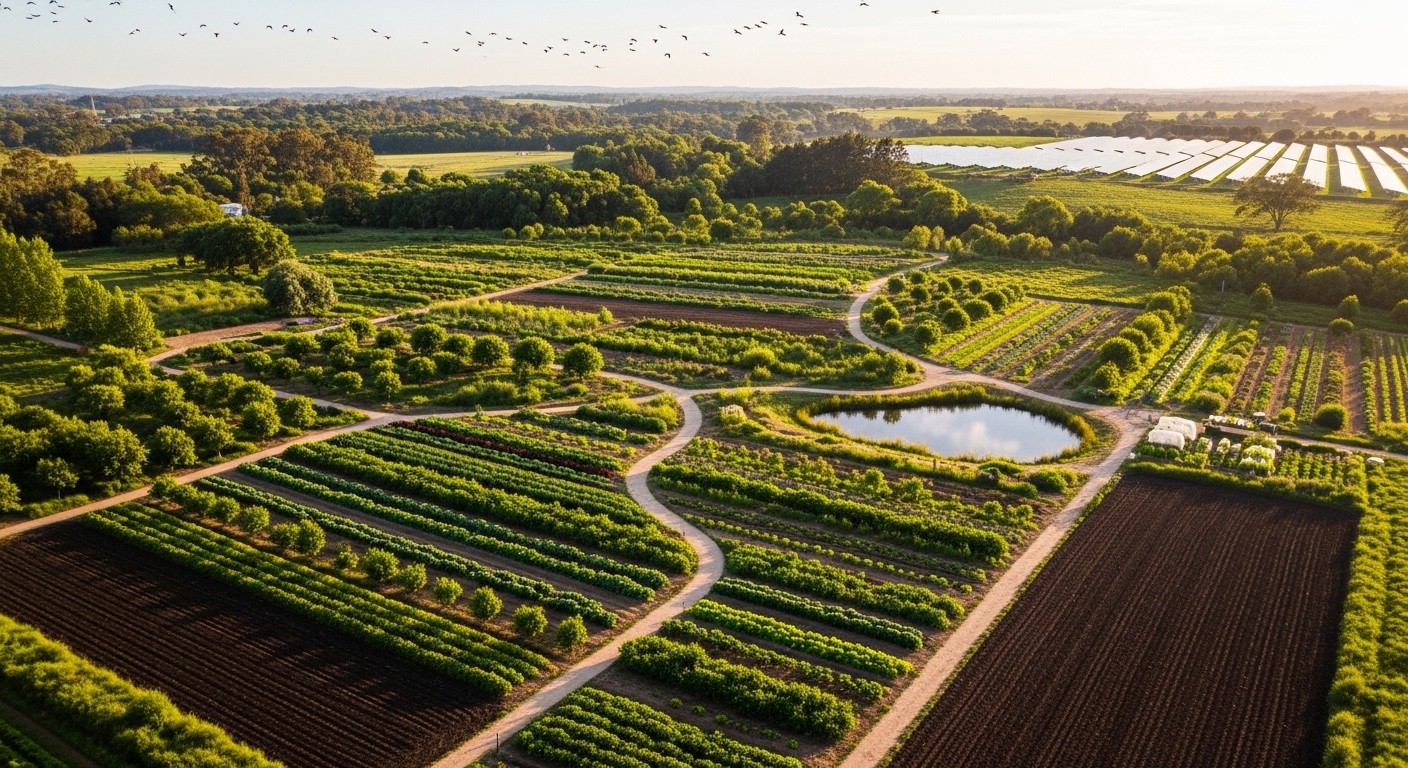
Climate resilient crops are a critical piece of the puzzle, but they are not enough on their own. The transition to a truly sustainable food system requires a broader shift in how we think about farming, land use, and our relationship with the natural world.
Agroforestry — integrating trees into farmland — improves soil health, sequesters carbon, and creates microclimates that buffer crops against temperature extremes. Regenerative agriculture rebuilds soil organic matter, increases water retention, and reduces dependence on synthetic inputs. Crop diversification reduces the risk of total harvest failure and supports local ecosystems.
Every link in this chain matters. From the seed in the ground to the product in your hand, the choices made along the way shape the health of our planet.
 From the Rice Paddy to Your Glass — and Beyond
At The happy turtle straw, our rice straws are more than just an alternative to plastic. They are a symbol of what is possible when we look at nature’s resources with creativity and respect. Rice — one of humanity’s oldest and most vital crops — becomes, in our hands, a tool for ocean conservation, a statement against plastic pollution, and a bridge to a more sustainable world.
The farmers who grow the rice we use are part of this story. Their resilience, their knowledge, and their commitment to sustainable practices are woven into every straw.
As climate change reshapes the landscape of agriculture, the crops that endure will be the ones grown with wisdom, care, and an eye toward the future. And the products that matter will be the ones that honor that effort.