When it comes to drinking experiences, straws might seem like a minor detail—but in reality, they can significantly influence how a beverage is perceived, tasted, and enjoyed. In bars, restaurants, and even at home, the choice of straw can enhance or detract from the overall experience. Interestingly, not all straws perform equally across different types of drinks. What works perfectly for a cocktail may fall short when used with a soft drink, and vice versa.
Understanding why certain straws are better suited to cocktails than soft drinks requires a closer look at drink composition, temperature, carbonation, viscosity, and even the intended drinking experience.
The Role of Straw Diameter
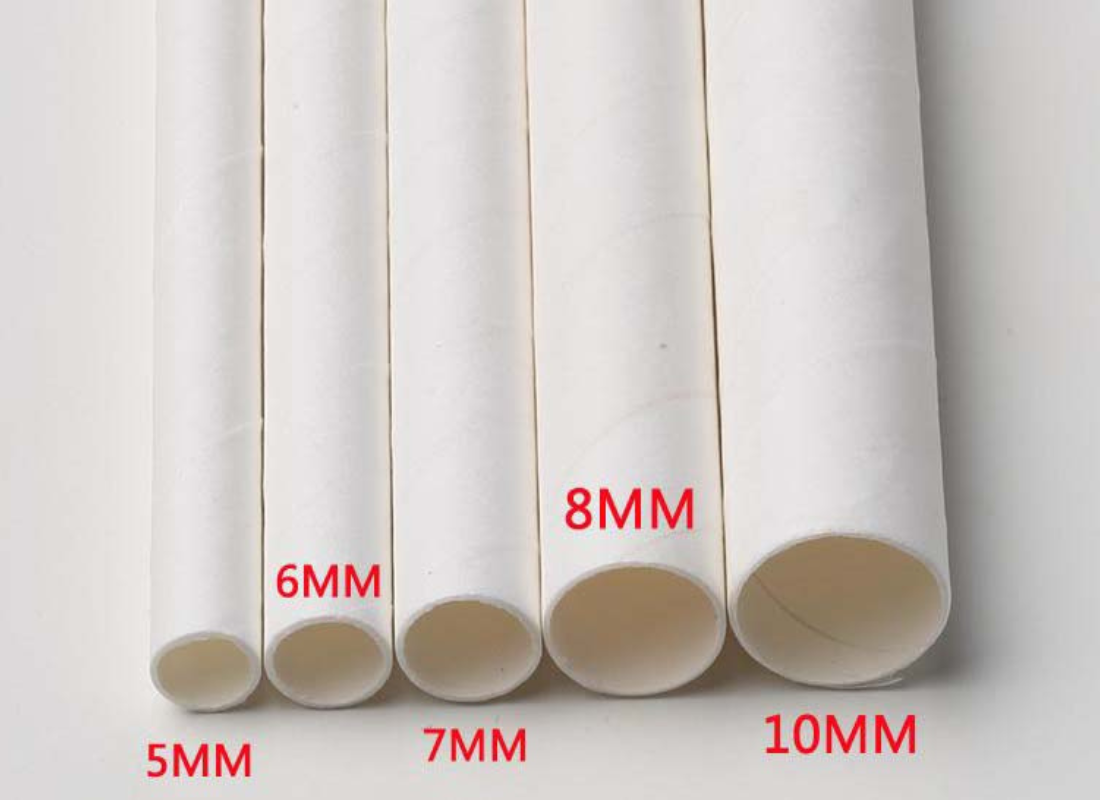
One of the most important factors in straw performance is diameter. Cocktails often include ingredients like crushed ice, fruit pulp, herbs, syrups, or egg whites, which can create a thicker or more textured drink. For example, drinks like mojitos or piña coladas benefit from wider straws that allow solid particles and thicker liquids to pass through easily.
Soft drinks, on the other hand, are typically thin, highly carbonated, and free of solids. A narrower straw works well here because it helps control the flow of liquid and maintains the drink’s carbonation. Using a wide straw with a soda can cause the drink to feel flat more quickly, as more liquid (and gas) is released with each sip.
Carbonation and Pressure
Soft drinks rely heavily on carbonation for their refreshing quality. The bubbles in sodas create a tingling sensation and enhance flavor perception. However, straws can disrupt this experience depending on their design.
Wider or poorly structured straws can cause carbonation to dissipate faster, especially if they allow too much air to mix with the liquid. This results in a flatter drink over time. In contrast, cocktails are rarely carbonated (or only lightly so), meaning they are less sensitive to this issue. A wider straw won’t negatively affect a cocktail in the same way it would a soda.
Additionally, the act of sipping through a straw can influence how carbonation hits the palate. Narrow straws create a more controlled stream, preserving some of the effervescence, while wide straws reduce that intensity.
Material Matters
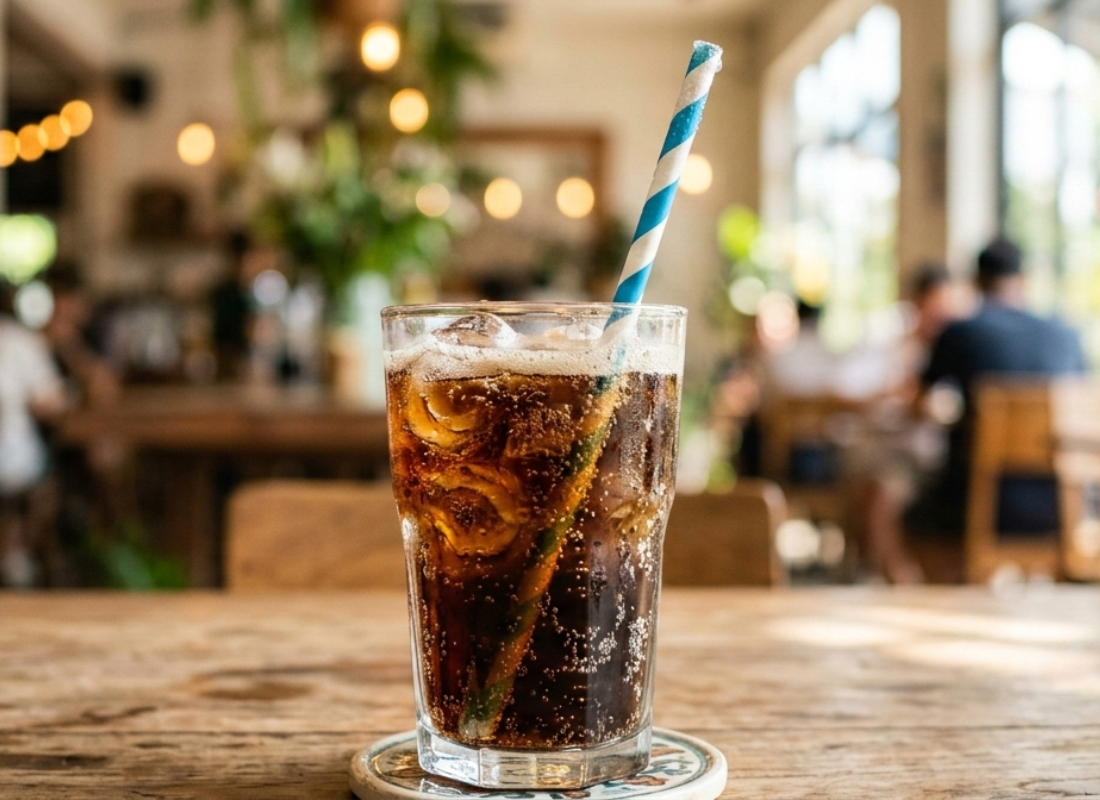
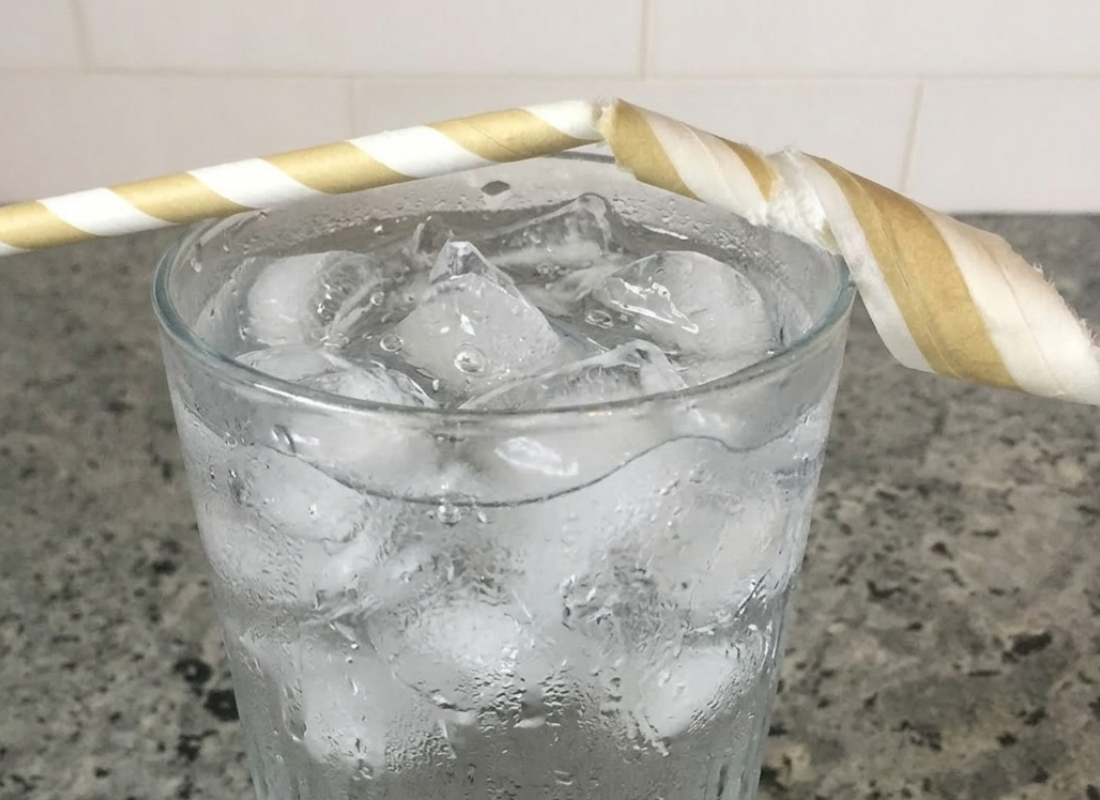
The material of a straw also plays a crucial role in how it performs across different beverages. Paper straws, for instance, are often criticized for softening over time, especially in cold, carbonated drinks. Soft drinks tend to be consumed over longer periods, increasing the likelihood that a paper straw will lose its structure before the drink is finished.
Cocktails, however, are usually consumed more quickly, particularly in social or bar settings. This makes them more forgiving when it comes to straw durability. Even if a straw begins to soften slightly, it may not impact the experience as much because the drink is finished sooner.
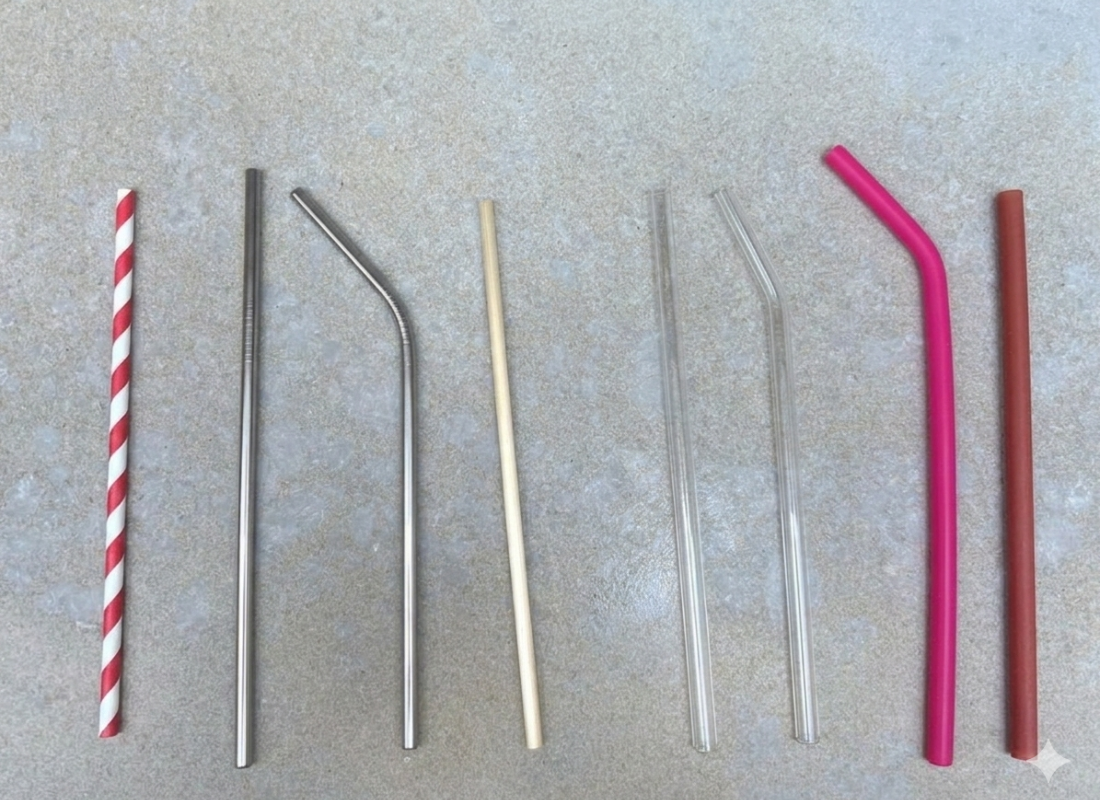
More durable materials—such as metal, glass, or plant-based alternatives like rice straws—offer better performance across both categories, but they particularly shine in cocktails where presentation and texture matter. For example, a rigid straw can better handle crushed ice or thick mixtures without collapsing.
Temperature and Ice Content
Cocktails often contain a variety of ice formats, from large cubes to crushed ice. Crushed ice, in particular, can clog narrower or weaker straws, making it difficult to sip the drink comfortably. This is why tiki drinks and similar cocktails are typically served with wider, sturdier straws.
Soft drinks are usually served with standard ice cubes or no ice at all, reducing the need for a wide straw. A narrower straw is sufficient and often preferable, as it aligns with the lighter texture of the drink.
Temperature also plays a role in straw performance. Cold beverages can cause certain materials—especially paper—to become brittle or degrade faster. Cocktails that are consumed quickly minimize this issue, while soft drinks that sit longer expose the straw to prolonged cold and moisture.
Drinking Experience and Design Intent
Beyond functionality, straws contribute to the overall drinking experience. Cocktails are often designed to be sensory experiences, combining aroma, texture, and visual appeal. The straw is part of this presentation. A well-chosen straw can complement the drink’s aesthetic and enhance its texture, allowing the drinker to fully appreciate its complexity.
For example, a wide straw allows a cocktail drinker to experience a mix of liquid and small solids, creating a layered sensation. This is particularly important in drinks with garnishes or mixed textures.
Soft drinks, by contrast, are more straightforward. The goal is refreshment rather than complexity. The straw serves a practical purpose—making it easy to sip the drink without altering its core characteristics. A simple, narrow straw is often the best choice.

Sustainability Considerations
As sustainability becomes a growing concern, many businesses are rethinking their choice of straws. This adds another layer to the discussion. Eco-friendly options like paper, bamboo, or rice-based straws are increasingly popular, but their performance varies depending on the drink.
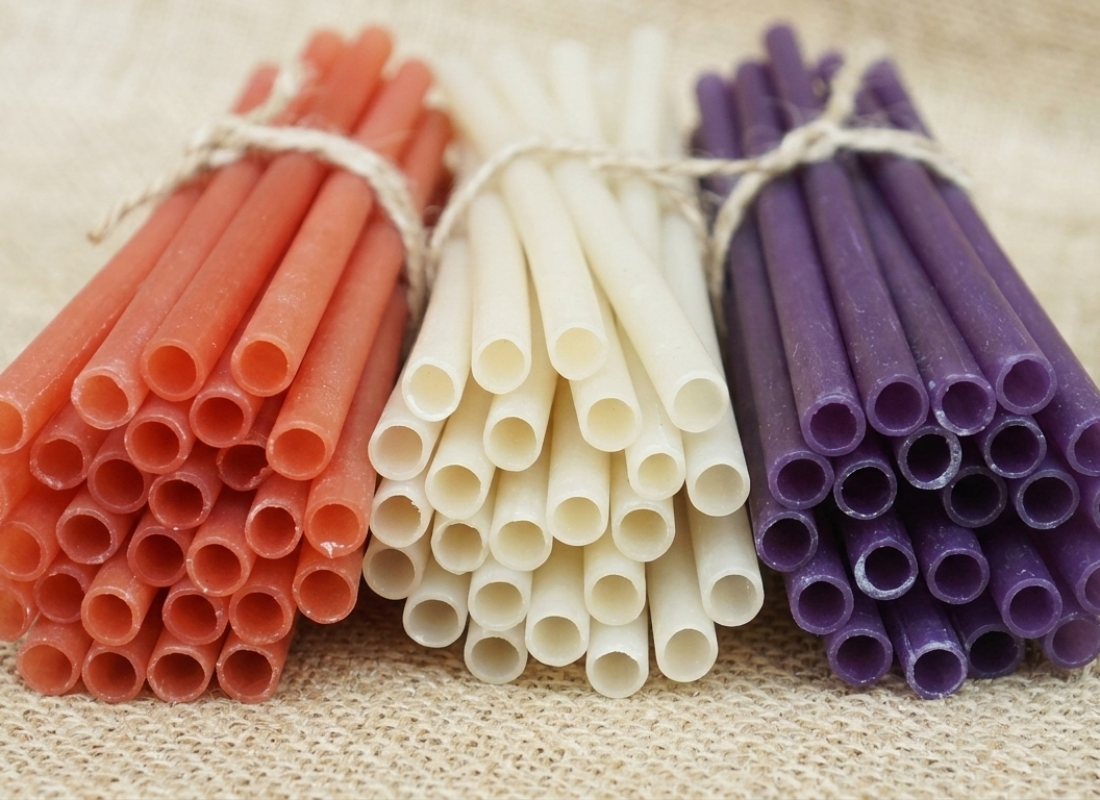
Rice straws, for example, offer a compelling alternative because they maintain their structure longer than paper and do not impart any flavor. This makes them suitable for both cocktails and soft drinks, though they are particularly advantageous in cocktails where durability and texture are more critical.
Choosing the right straw, therefore, involves balancing environmental impact with performance. A one-size-fits-all approach may not deliver the best results, especially in settings where drink quality and customer experience are priorities.
Conclusion
While straws may seem like a small detail, they play a surprisingly important role in how beverages are enjoyed. Cocktails and soft drinks have fundamentally different characteristics, and these differences influence which type of straw works best.
Cocktails often benefit from wider, more durable straws that can handle complex textures and enhance the sensory experience. Soft drinks, on the other hand, are better suited to narrower straws that preserve carbonation and provide a controlled flow.
Ultimately, selecting the right straw is about understanding the drink it accompanies. By paying attention to factors like diameter, material, and design, it’s possible to elevate even the simplest drinking experience—one sip at a time.