
here is an art to drinking well. Not merely what’s in the glass — the terroir of a wine, the cold-brew ratio of a coffee, the precise ice-to-spirit balance of a cocktail — but how it arrives at your lips. Sommelier culture has known this for centuries. Baristas codified it into a movement. Now, quietly and with remarkable elegance, the straw is making its case.
For decades, the plastic straw was the invisible object on the table. Functional, disposable, forgotten. You used it without thought, discarded it without guilt, and moved on. But the world has a way of making the invisible visible, and one video — a sea turtle, a nostril, a single plastic straw — changed the cultural conversation overnight. Suddenly, how you sip says something about who you are.
The tyranny of the paper straw
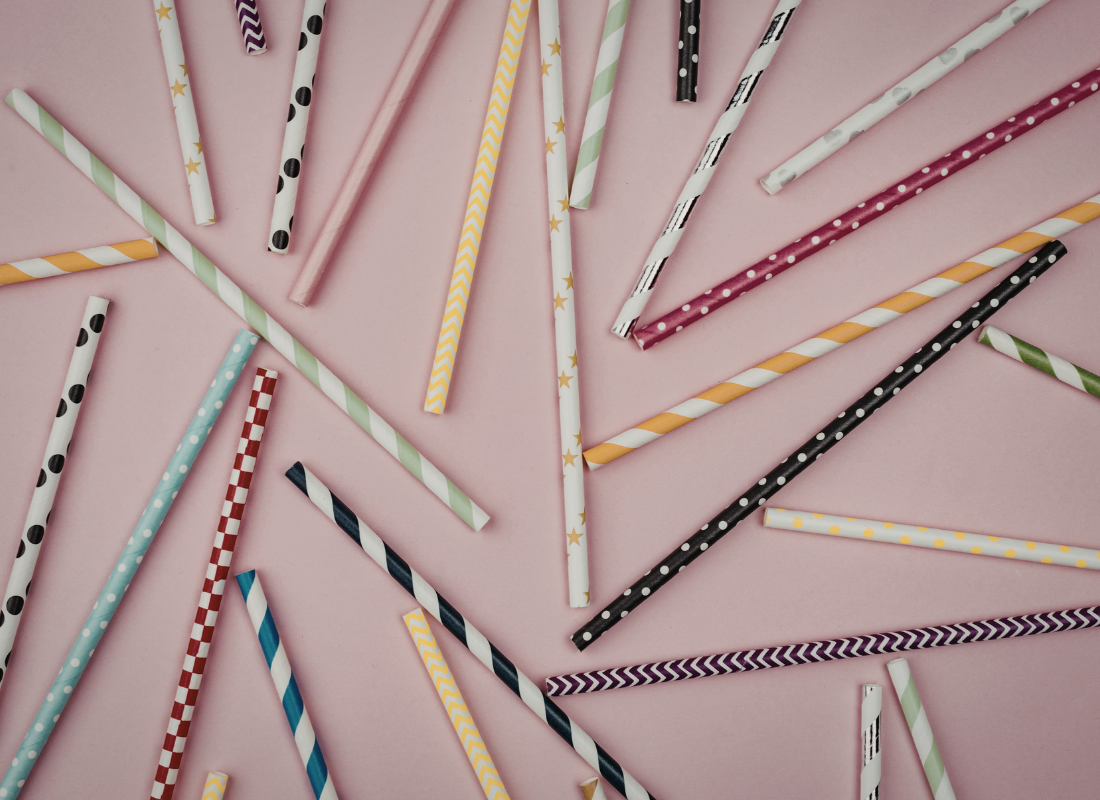
The first wave of plastic alternatives was well-intentioned but deeply unsatisfying. Paper straws arrived with good PR and terrible execution. Within minutes of touching liquid, they softened into a kind of soggy resignation. Drinking through one felt less like a sophisticated choice and more like a punishment for caring about the environment.
The market scrambled. Metal straws appeared, gleaming and reusable, but oddly cold against the teeth, and occasionally dangerous in the hands of anyone who didn’t know to tilt their glass gently. Bamboo straws followed, charming in theory, but prone to splitting. Pasta straws had a brief, delightful moment of absurdity before chefs began protesting.
“Sustainable shouldn’t mean uncomfortable. The best environmental choices are the ones people actually want to make — not the ones they endure.”
The problem wasn’t the intention. It was the product. Nobody had stopped to ask: what if the straw itself could be beautiful?
Rice and tapioca: a new kind of craft
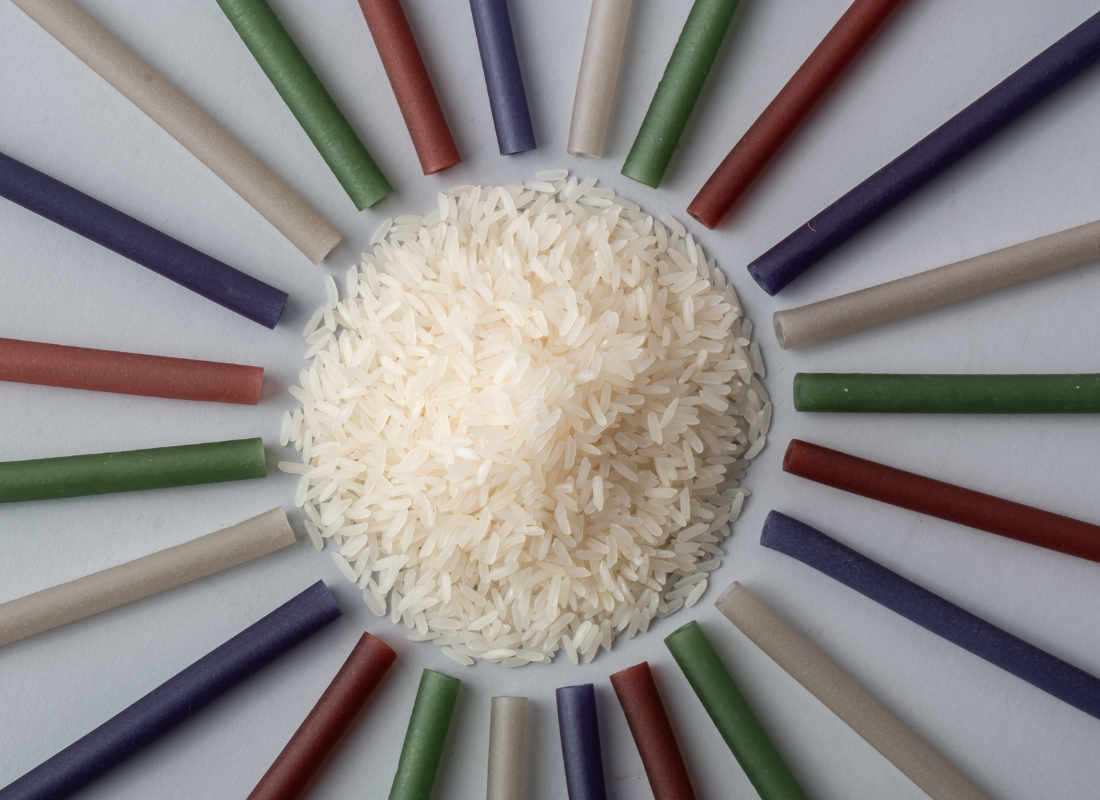
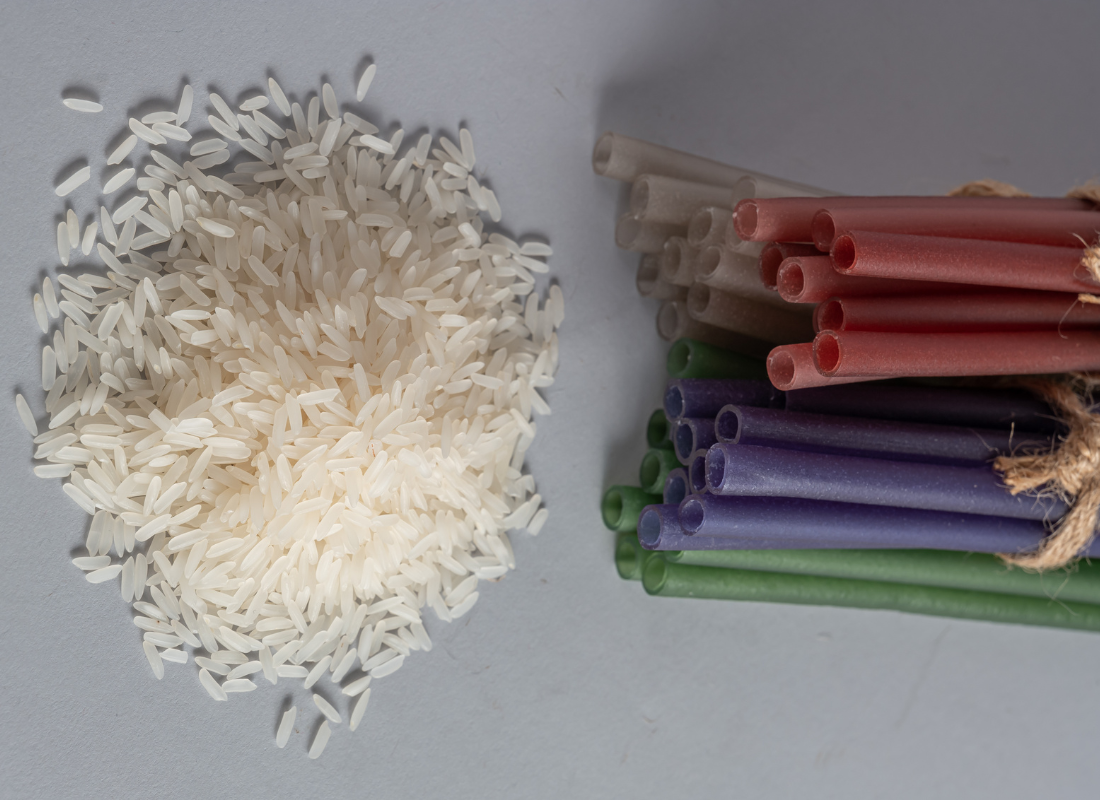
Enter the organic straw — made from rice and tapioca, two ingredients with centuries of culinary history and zero tolerance for artificiality. What The Happy Turtle Straw figured out is something the food world has always known: the best ingredients don’t need disguising. They speak for themselves.
A rice-and-tapioca straw doesn’t pretend to be plastic. It has its own texture, its own subtle warmth, its own quiet confidence. It holds its structure for over two hours — through an espresso tonic, a long brunch Aperol Spritz, a slow afternoon iced tea. And when the evening ends, it disappears from the world in under ninety days, leaving nothing behind but the memory of a good drink.
Unlike paper (which goes limp), metal (which conducts heat), or bioplastics (which can take years to decompose), the rice straw is made from two ingredients you could find in any kitchen. It’s 100% organic, vegan, gluten-free, and contains zero chemical additives. It is, in the truest sense, a food-grade object — which means it belongs on a beautiful table.
The aesthetics of intention
Here is what nobody tells you about sustainable choices: they are, at their best, a form of taste. Choosing an organic straw is not an act of sacrifice. It is an act of curation — the same instinct that leads you to a handmade ceramic cup over a mass-produced mug, or a linen napkin over a paper one. It is the recognition that objects carry meaning, and that the meaning of the objects on your table matters.
Restaurants and hotels are beginning to understand this. The transition away from plastic straws is no longer a checkbox on a sustainability audit. It’s a design decision. The straw on the table is part of the plating, part of the atmosphere, part of the story the establishment tells about itself. And a rice-and-tapioca straw — warm in color, honest in material, clean in its origins — tells a different story than a flimsy paper tube or a metallic rod.
Sipping as a statement

There’s something quietly radical about the idea that an everyday gesture — lifting a glass, drawing liquid through a straw — can carry ethical weight. Not in a heavy, virtue-signaling way, but in the simple, satisfying way that good design always carries meaning. The right object in the right context makes the moment feel considered.
The rise of the organic straw is, in this sense, part of a larger cultural shift: the return to material honesty. We are collectively moving away from disposable culture not because we’ve been shamed into it, but because we’ve rediscovered that things made well, from honest materials, with genuine care, are simply more pleasurable to use. The plastic straw was never luxurious. It was just cheap. And we confused cheapness with convenience for far too long.
“The best objects in your life should do their job beautifully and disappear gracefully. That’s not just good design — that’s good ethics.”
The table as a manifesto
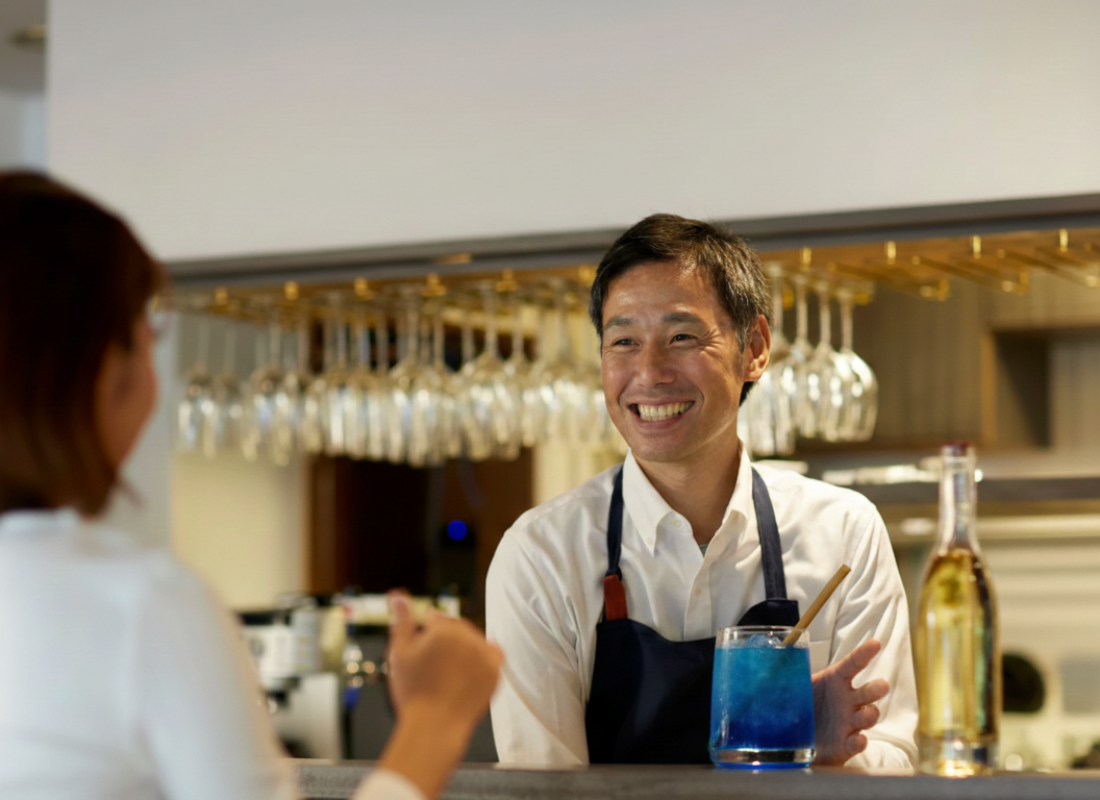
Every great meal is an act of composition. The chef considers the plate. The sommelier considers the pour. The host considers the setting. The straw — that final, slender detail — deserves the same consideration. Not because it is the most important object on the table, but because it is the one that touches your lips last, the one that completes the gesture of hospitality.
A rice straw on a linen tablecloth. A tapioca straw alongside a craft cocktail. An organic straw in the hands of a child who knows, with the certainty only children have, that she is not hurting anything. This is the art you didn’t know you needed. It was there all along, waiting for someone to make it well.
Sip accordingly.