The Hidden Cost of Buying in Bulk
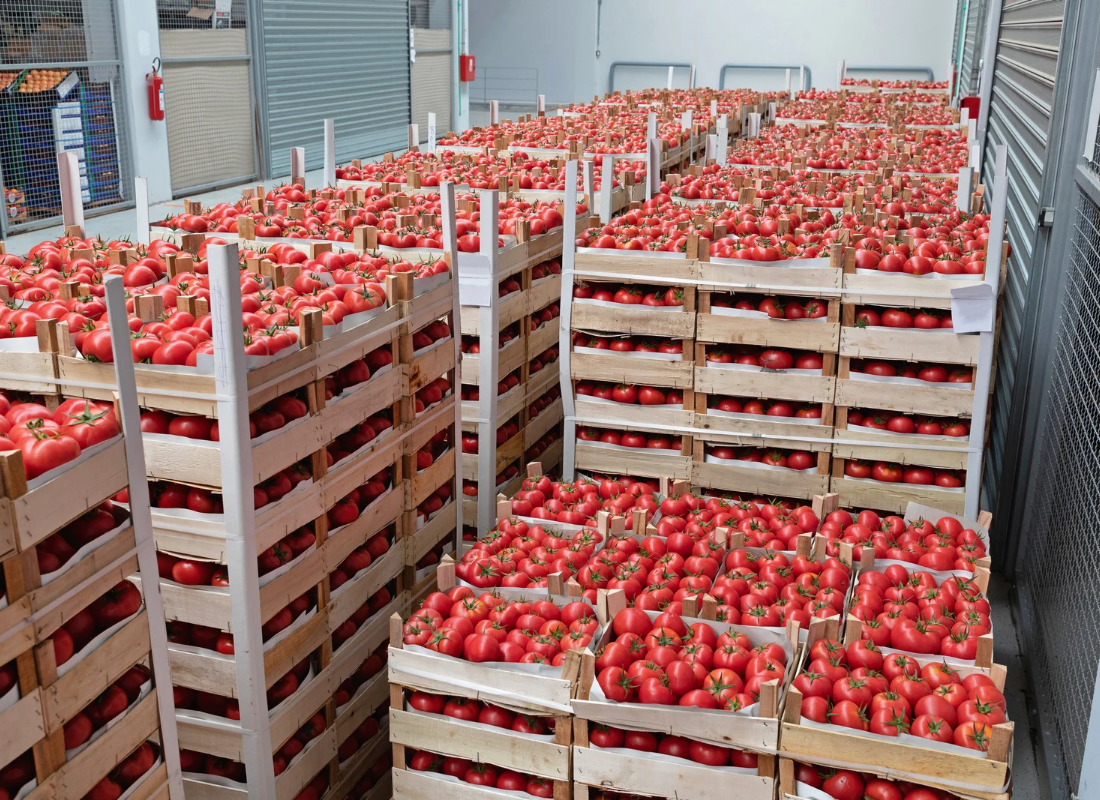
In the hospitality industry, purchasing decisions are rarely as simple as choosing the ingredients a kitchen needs for the week. Restaurants operate within a supply chain that often encourages buying more than necessary. Bulk discounts, minimum order quantities, and supplier packaging structures can make it financially appealing — or sometimes unavoidable — to purchase products in larger amounts than a kitchen can realistically use.
At first glance, these purchasing incentives seem like smart financial tools. Buying in bulk typically lowers the cost per unit, allowing restaurants to reduce their food costs and protect their margins. However, when these purchasing structures push kitchens to order beyond their actual demand, the result can be a significant increase in food waste, storage strain, and operational inefficiencies.
What appears to be a cost-saving strategy can quietly become a sustainability challenge.
How Supplier Minimums Shape Ordering Behavior
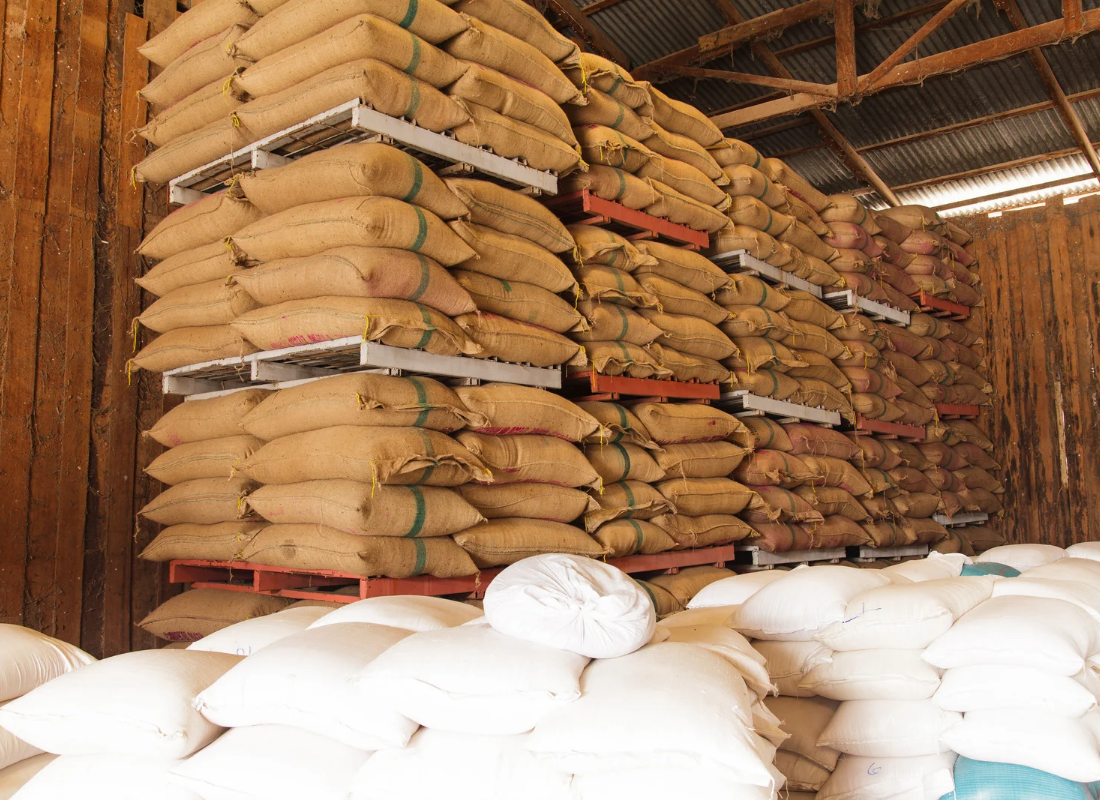
Many food suppliers operate with minimum order quantities or minimum order values. These requirements are designed to make logistics more efficient for distributors by ensuring that deliveries remain profitable. From the supplier’s perspective, it makes sense: smaller orders increase transportation costs and reduce operational efficiency.
For restaurants, however, these minimums can create purchasing pressure.
A kitchen may only need a small quantity of a specific ingredient — perhaps a specialty sauce, garnish, or seasonal produce item. But if the supplier requires a minimum purchase quantity or a minimum order value, the kitchen may feel compelled to add additional items or increase quantities simply to meet the requirement.
This dynamic subtly shifts ordering decisions away from actual demand and toward logistical thresholds set by the supplier.
Over time, these small adjustments accumulate. Instead of ordering exactly what is needed, kitchens begin ordering what is required to satisfy supplier conditions.
The Psychology of Bulk Discounts
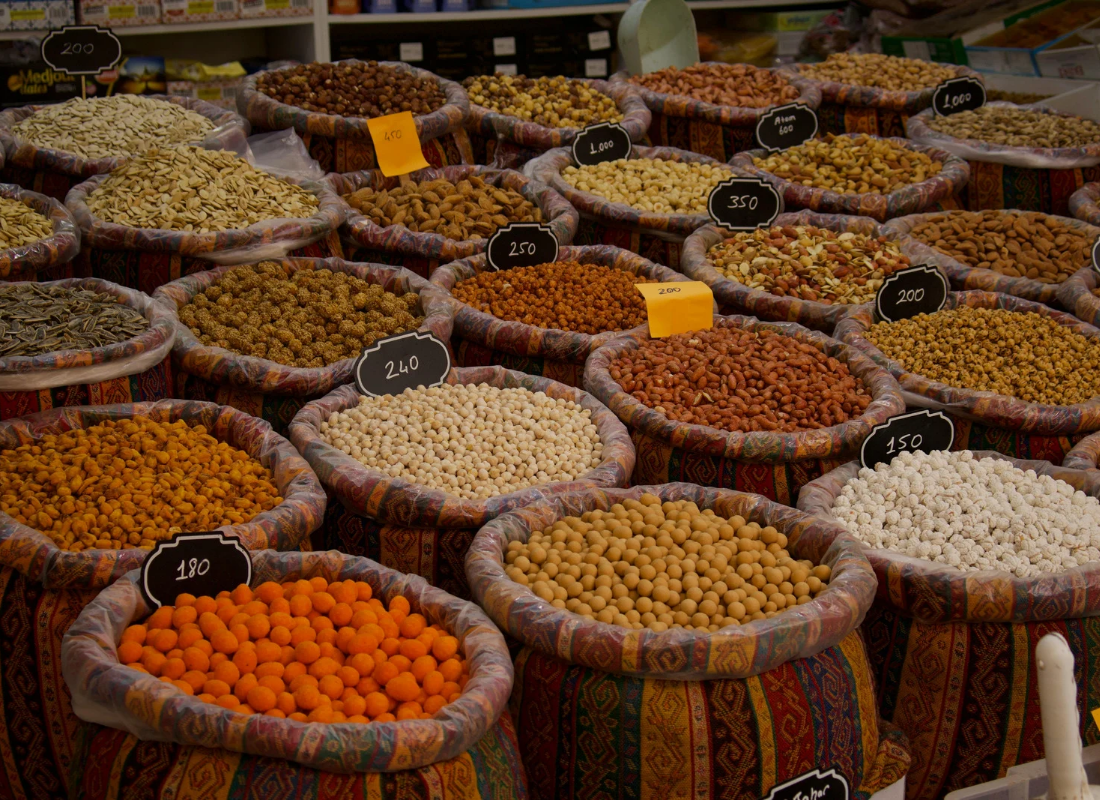
Bulk pricing structures are another powerful driver of over-ordering. Suppliers frequently offer lower prices per unit when restaurants purchase larger quantities of a product. On paper, the savings look attractive: buying 10 kilograms of an ingredient might reduce the price by 15 percent compared to purchasing a smaller amount.
For operators working with tight margins, these savings can feel too good to ignore.
The challenge is that bulk discounts only create real savings if the entire quantity is used. When a portion of the bulk purchase expires, spoils, or goes unused, the effective cost per usable unit actually increases.
For example, if a restaurant buys a large case of perishable produce to access a discount but ends up discarding part of it, the cost advantage disappears. The restaurant effectively paid less per kilogram — but wasted product erodes the financial benefit.
In many cases, the perception of saving money through bulk purchasing can mask the reality that the kitchen is spending more overall due to waste.
Perishable Ingredients Are Especially Vulnerable
Over-ordering becomes particularly problematic when dealing with perishable ingredients. Fresh produce, dairy products, herbs, seafood, and prepared items all have limited shelf lives. Even with careful inventory management, excess quantities can quickly lead to spoilage.
Restaurants operate in environments where demand can fluctuate daily. Weather, seasonality, events, and customer behavior can all influence how much product is used. When kitchens are stocked with more inventory than needed, they face increased pressure to move those ingredients before they expire.
Sometimes chefs adjust menus or create specials to use surplus items. While this can be an effective strategy, it is not always possible to absorb large quantities quickly enough.
When surplus inventory cannot be used in time, food waste becomes inevitable.
Storage Limitations and Operational Stress
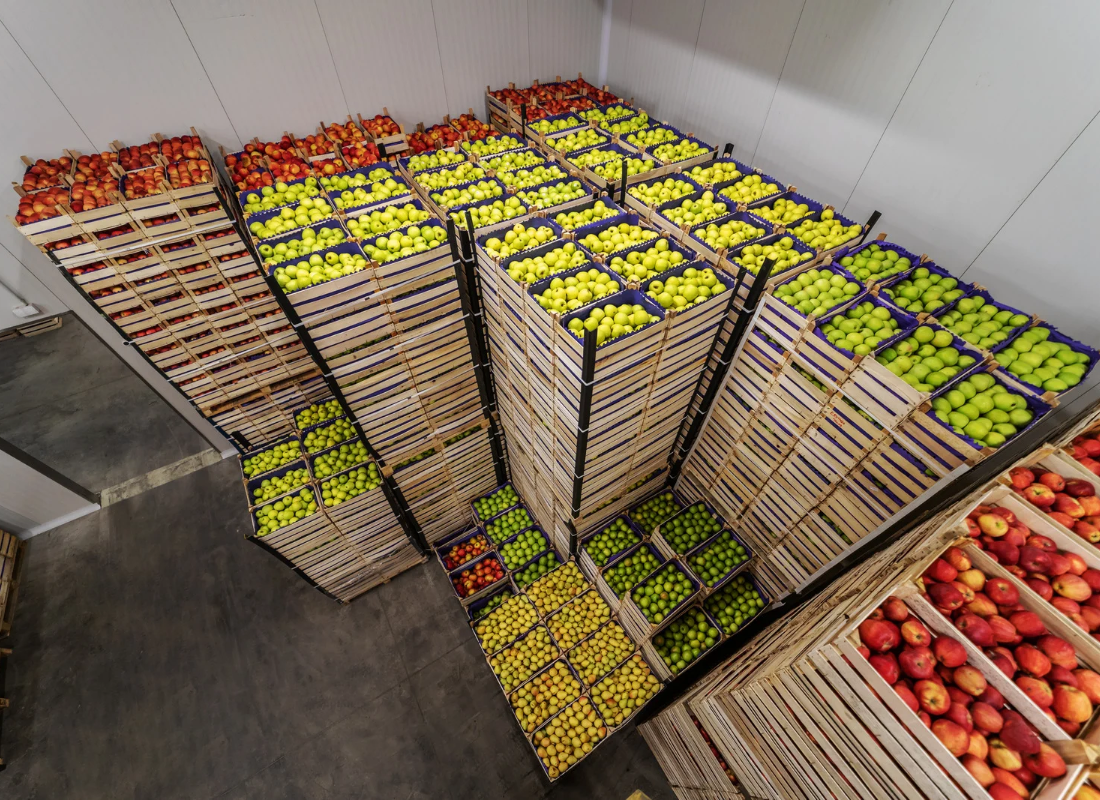
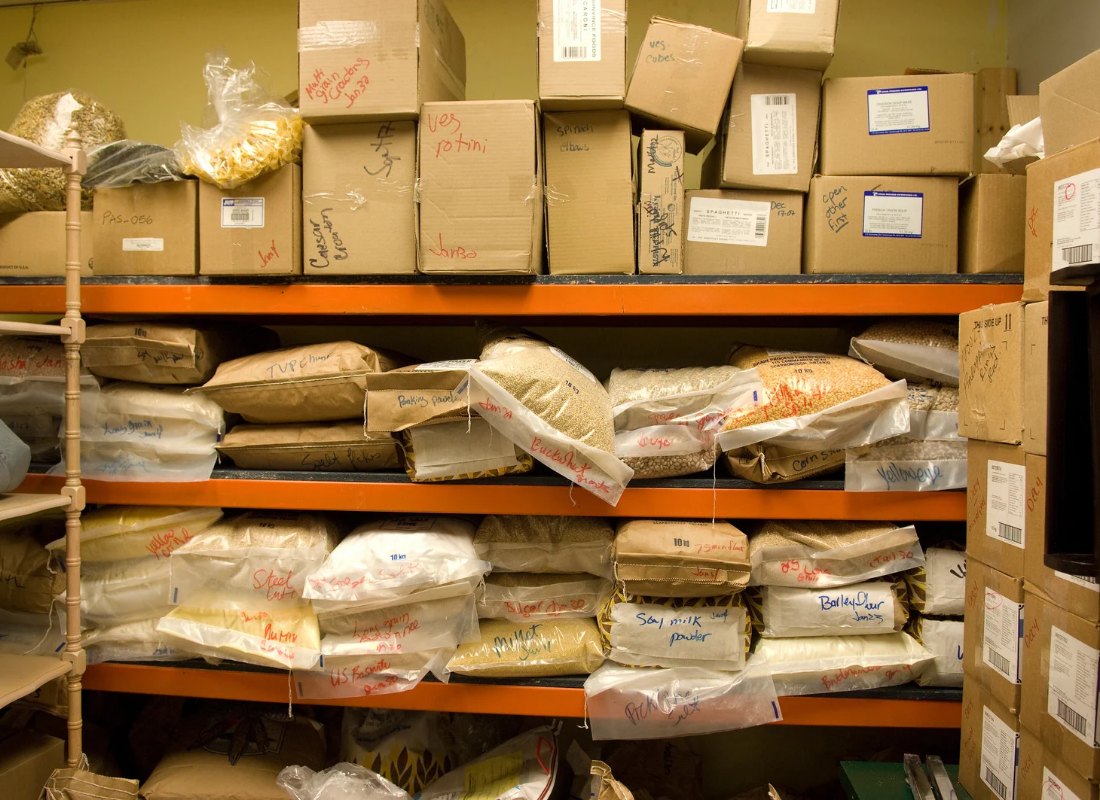
Another overlooked consequence of bulk ordering is the strain it places on storage capacity. Restaurant kitchens are typically designed with limited refrigeration and dry storage space. When large quantities of ingredients arrive, staff must find ways to accommodate them within already tight storage systems.
Crowded refrigerators and overfilled storage areas create operational challenges. Products can become difficult to access, older inventory may get pushed to the back, and the likelihood of ingredients being forgotten or overlooked increases.
This phenomenon is often referred to as “inventory shadowing,” where items become hidden behind newer deliveries. When this happens, products may expire before they are even rediscovered.
In this way, the act of over-ordering not only increases waste but also complicates the daily workflow of kitchen staff.
The Sustainability Impact
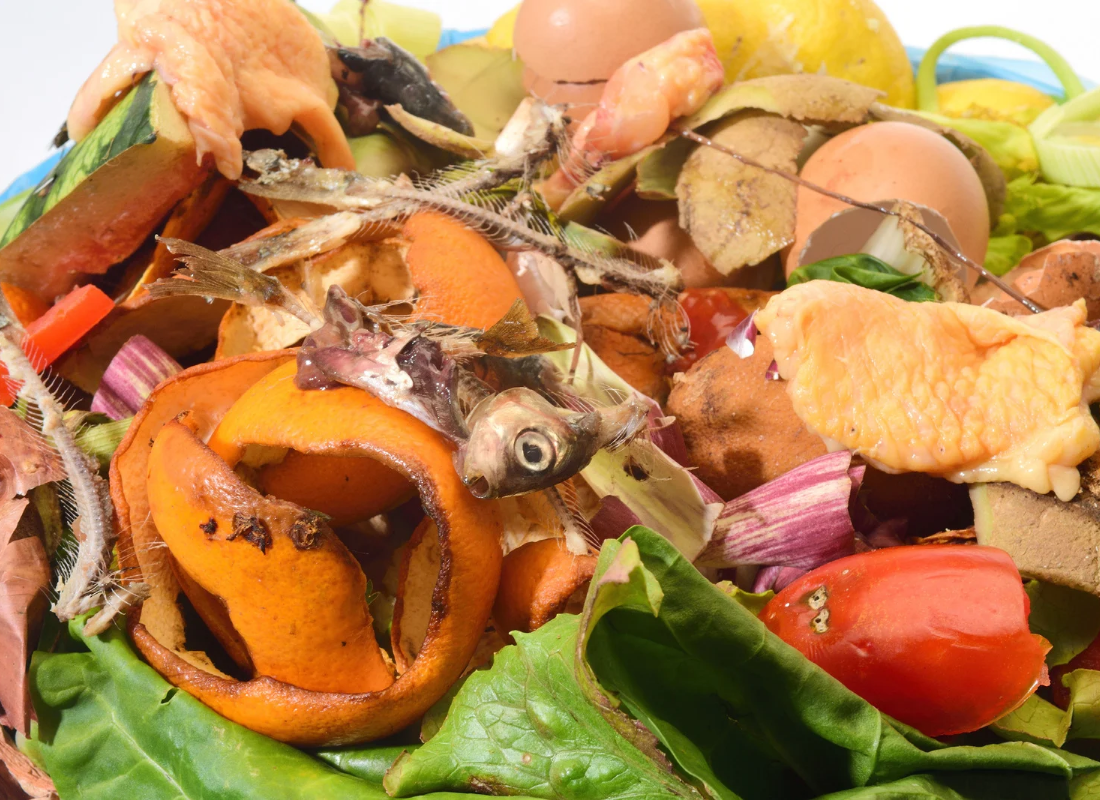
Food waste carries a significant environmental footprint. Every ingredient that is discarded represents wasted water, energy, labor, and transportation resources used during its production and distribution.
When restaurants over-order due to supplier incentives, the environmental cost extends far beyond the kitchen.
Agricultural resources used to grow the food are effectively wasted. Transportation emissions associated with delivering those products also become unnecessary when the ingredients ultimately end up in the trash. Packaging materials used to transport bulk quantities contribute additional waste to the system.
From a sustainability perspective, over-ordering undermines efforts to operate more responsibly.
Restaurants may focus on sourcing sustainable ingredients or reducing single-use plastics, but purchasing practices that encourage excess inventory can quietly offset these efforts.
Why the System Persists
Despite the drawbacks, bulk discounts and minimum orders remain deeply embedded in the food supply chain. For distributors, these structures simplify logistics and increase operational efficiency. Larger orders reduce the number of deliveries required and make transportation routes more cost-effective.
For restaurants, the economic pressure to reduce ingredient costs often outweighs concerns about potential waste.
Additionally, many purchasing managers and chefs are trained to focus heavily on unit price when evaluating suppliers. Lower prices appear to represent better purchasing decisions, even if the total volume purchased exceeds actual needs.
This focus on cost-per-unit rather than cost-per-use reinforces the cycle of over-ordering.

Moving Toward Smarter Purchasing Practices
Reducing over-ordering requires a shift in how kitchens evaluate purchasing decisions. Instead of focusing exclusively on unit price, restaurants can consider the total cost of inventory management, including spoilage, storage limitations, and waste disposal.
Some operators are beginning to work with suppliers who offer more flexible ordering structures. Smaller case sizes, mixed product boxes, and lower minimum order thresholds can help restaurants align purchases more closely with actual demand.
Improved inventory tracking systems can also play a role. By monitoring usage patterns more closely, kitchens can better predict how much of each ingredient they truly need.
Collaboration between suppliers and restaurants is another important step. Distributors who recognize the sustainability and operational challenges of over-ordering may begin offering alternative purchasing models that support both efficiency and waste reduction.

Rethinking What “Saving Money” Means
Ultimately, bulk discounts only represent real savings when every purchased item is used effectively. When excess inventory leads to spoilage, the apparent financial advantage disappears.
For restaurants striving to operate sustainably and efficiently, purchasing strategies deserve just as much attention as sourcing practices or menu design.
Bulk discounts and minimum order requirements may continue to play a role in food distribution, but understanding their hidden consequences can help operators make more informed decisions.
In the long run, buying the right amount — not simply the cheapest amount — is often the most sustainable and financially responsible choice.