How one small innovation is making waves for our oceans, one sip at a time.
The Problem With Plastic
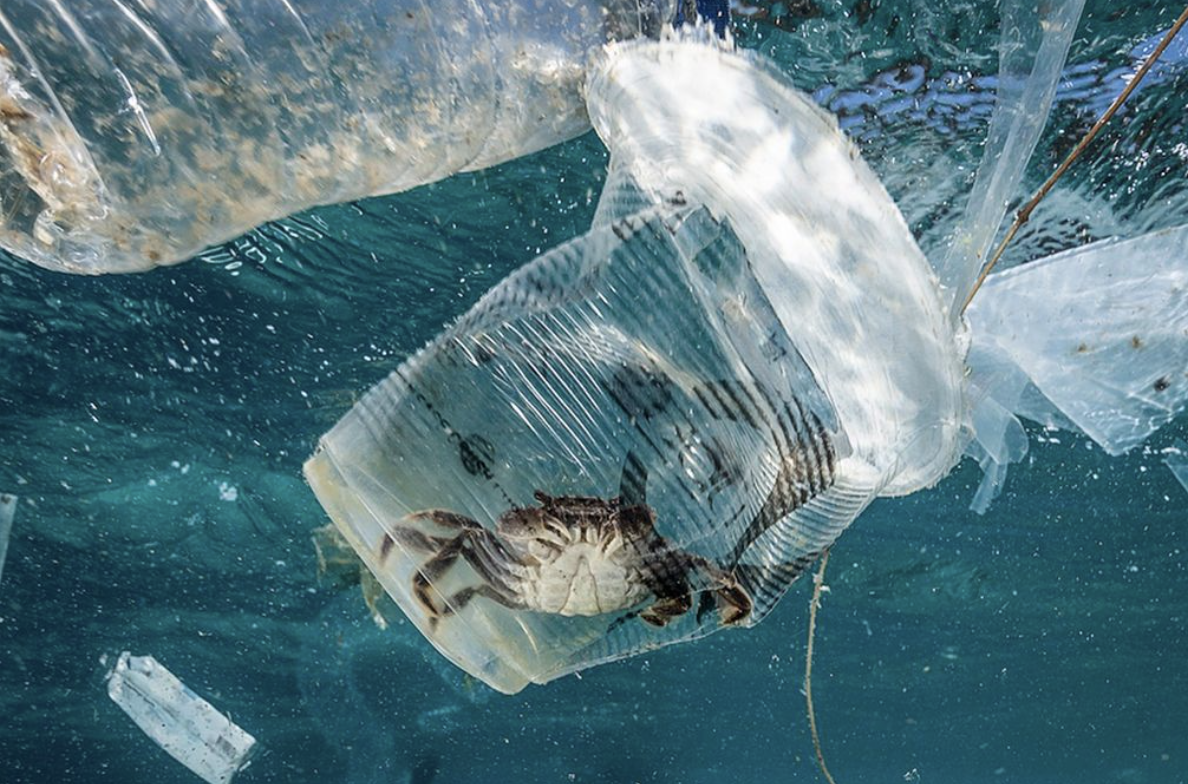
Every minute, a truckload of plastic waste enters our oceans, polluting marine ecosystems and threatening wildlife. Among the many plastic items discarded every day, single-use straws are some of the most harmful.
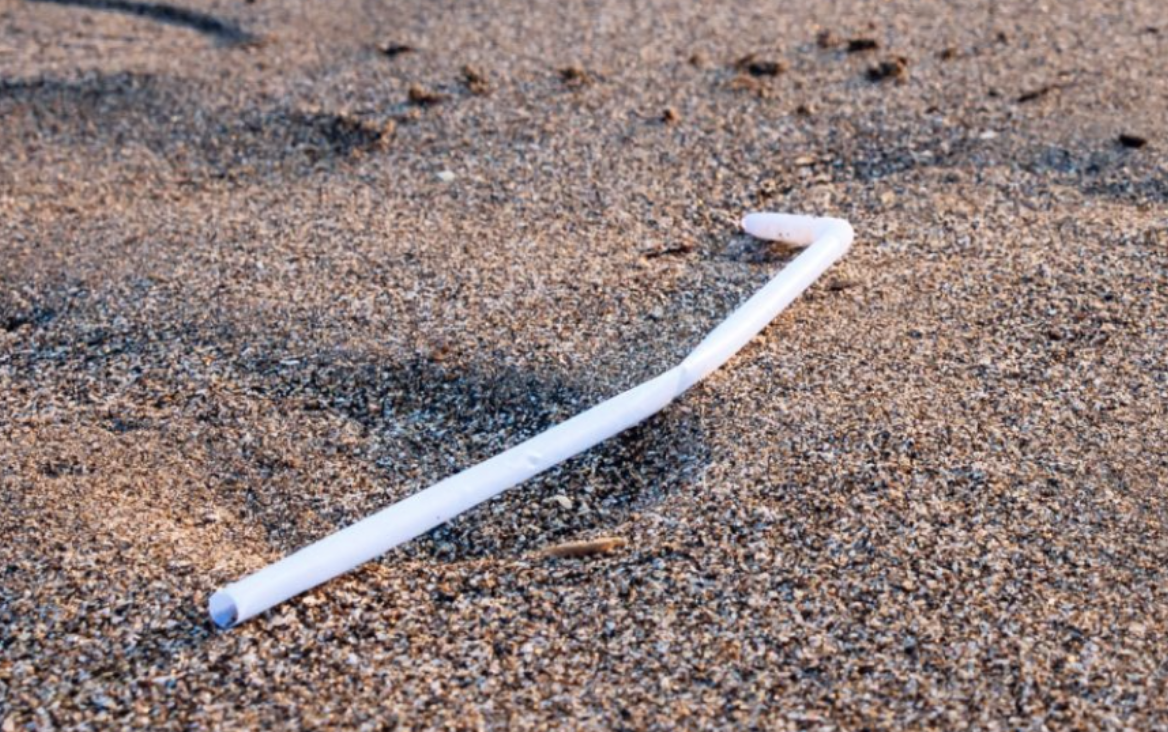
Because of their small size and lightweight nature, they are difficult to collect and recycle. As a result, they often slip through waste management systems and end up in rivers, lakes, and eventually the sea.
Once in the ocean, these straws become a serious danger to marine animals. Sea turtles, for example, can mistake them for food such as jellyfish and try to eat them.
Seabirds may also collect plastic pieces and feed them to their chicks, believing they are food. Unfortunately, plastic cannot be digested, which can lead to injury, starvation, or even death for these animals.
Over time, plastics break down into tiny particles called microplastics, which spread throughout the water and enter the food chain, affecting not only marine life but potentially humans as well.
What makes this situation even more troubling is that these plastic items are used for only a few minutes before being thrown away, yet they remain in the environment for hundreds of years.
Meet the Happy Turtle Straw
Every day, millions of plastic straws are used for just a few minutes and then thrown away. Most of them end up in landfills, rivers, and oceans, where they can remain for hundreds of years.
These small pieces of plastic contribute to a much larger environmental problem, harming marine life and polluting ecosystems. But what if changing this situation could begin with such a small, everyday action?
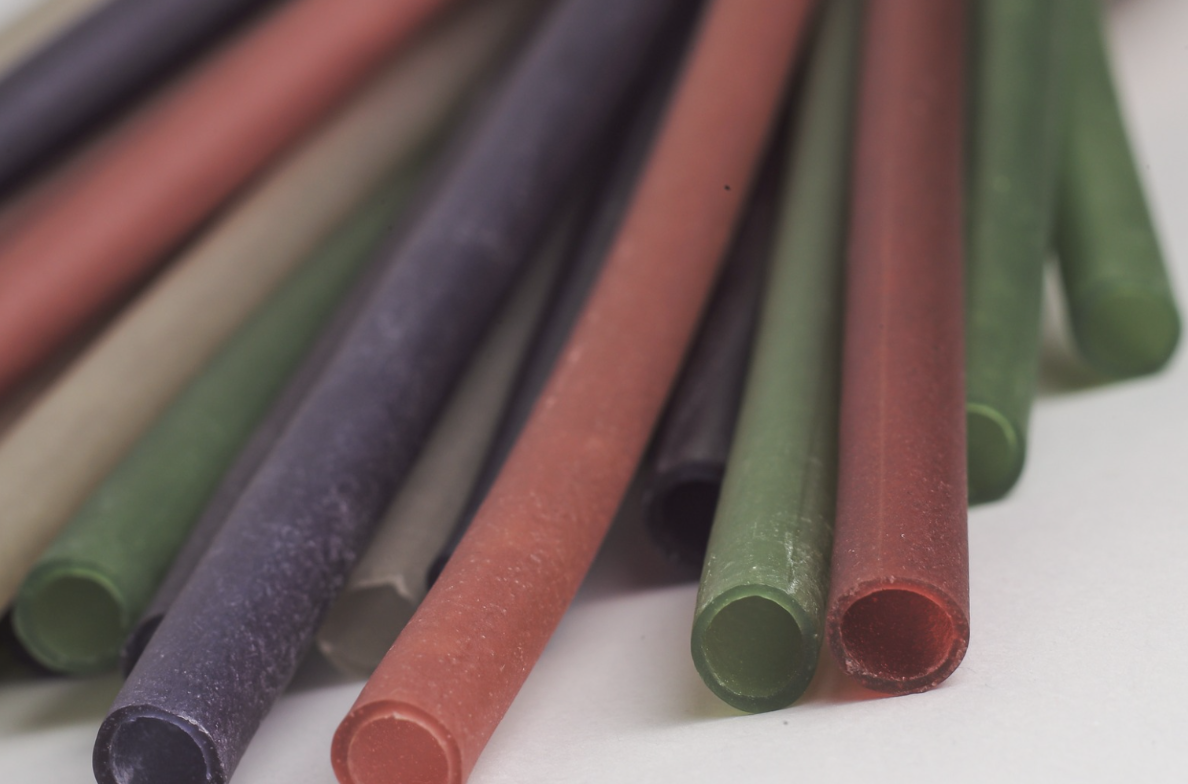
The Happy Turtle Straw offers a simple yet impactful alternative. Made from natural ingredients like rice and tapioca, it is completely plant-based and fully compostable. Unlike traditional plastic straws, it does not contribute to long-term pollution. At the same time, it avoids the common problems people experience with paper straws.
It stays firm and durable in your drink for hours without becoming soggy, and it has no taste that might alter the flavor of your beverage.Another important advantage is its natural decomposition.
Many so-called “bioplastic” straws require special industrial facilities to break down properly, which are not available everywhere. In contrast, the Happy Turtle Straw naturally returns to the earth in about 90 days, leaving no harmful residue behind.

Materials That Matter
In recent years, many alternatives to plastic straws have appeared on the market.
However, not all of them are as environmentally friendly as they claim to be. Some so-called “eco” straws still rely on chemical binders to hold their materials together, while others are made from bioplastics that only break down in specialized industrial composting facilities.
In many places, these facilities are not available, which means the straws can still end up in landfills or the natural environment.
Other alternatives, such as paper straws, often require large amounts of wood pulp, water, and energy during production. They may also contain coatings or adhesives that make recycling or composting more complicated. As a result, the environmental benefits are sometimes less significant than people expect.
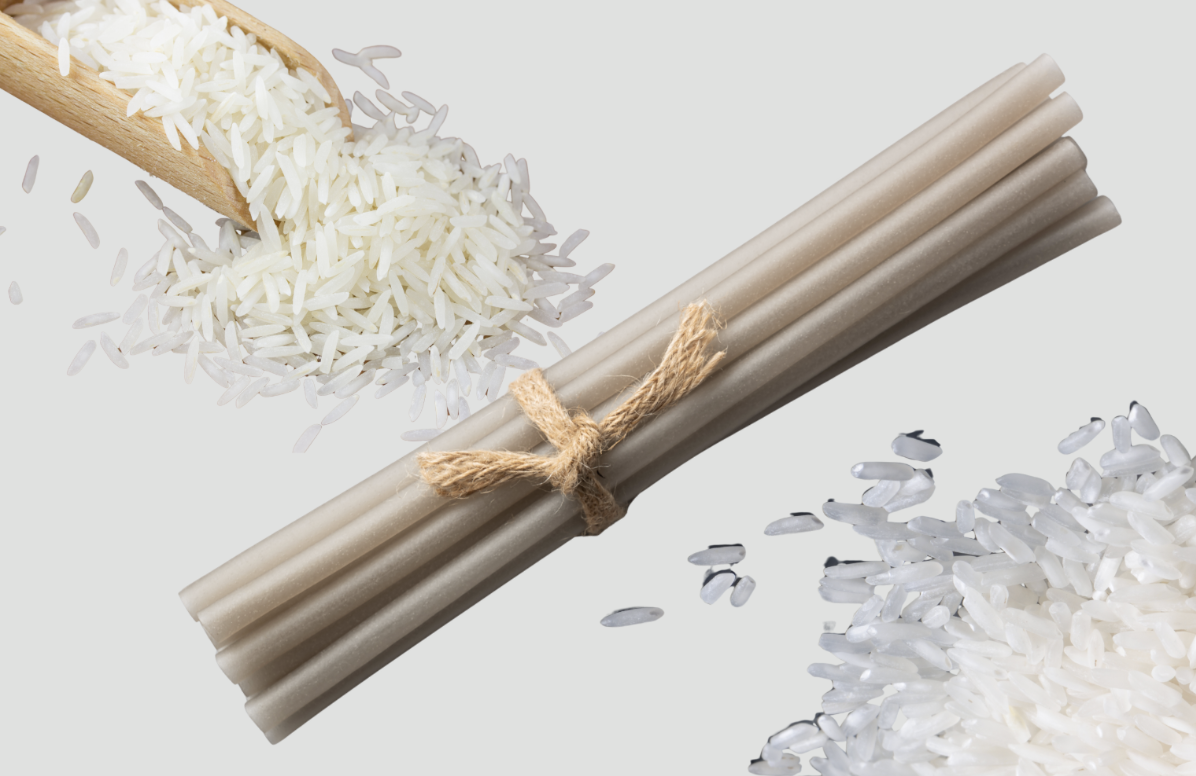
The Happy Turtle Straw takes a much simpler and more natural approach. It is made from only two main ingredients: rice flour and tapioca starch. These materials are plant-based, renewable, and food-grade, meaning they are safe and natural.
Because of this simple composition, the straw avoids the need for added chemicals or complex manufacturing processes.
Another important advantage is that no trees need to be cut down for its production, unlike paper-based alternatives. The ingredients come from crops that can be grown and harvested repeatedly, making them a more sustainable resource.
When it comes to disposal, the process is also straightforward. The straw naturally biodegrades at home without the need for industrial composting systems. In about a few months, it breaks down and returns to the earth without leaving harmful residues.
Even in the unlikely event that animals accidentally ingest it, the natural ingredients make it far safer than plastic.
From production to disposal, the goal is to minimize environmental impact while offering a practical solution for everyday use.
Simple ingredients, simple disposal, and a gentler choice for the planet. 🌱🥤🌍