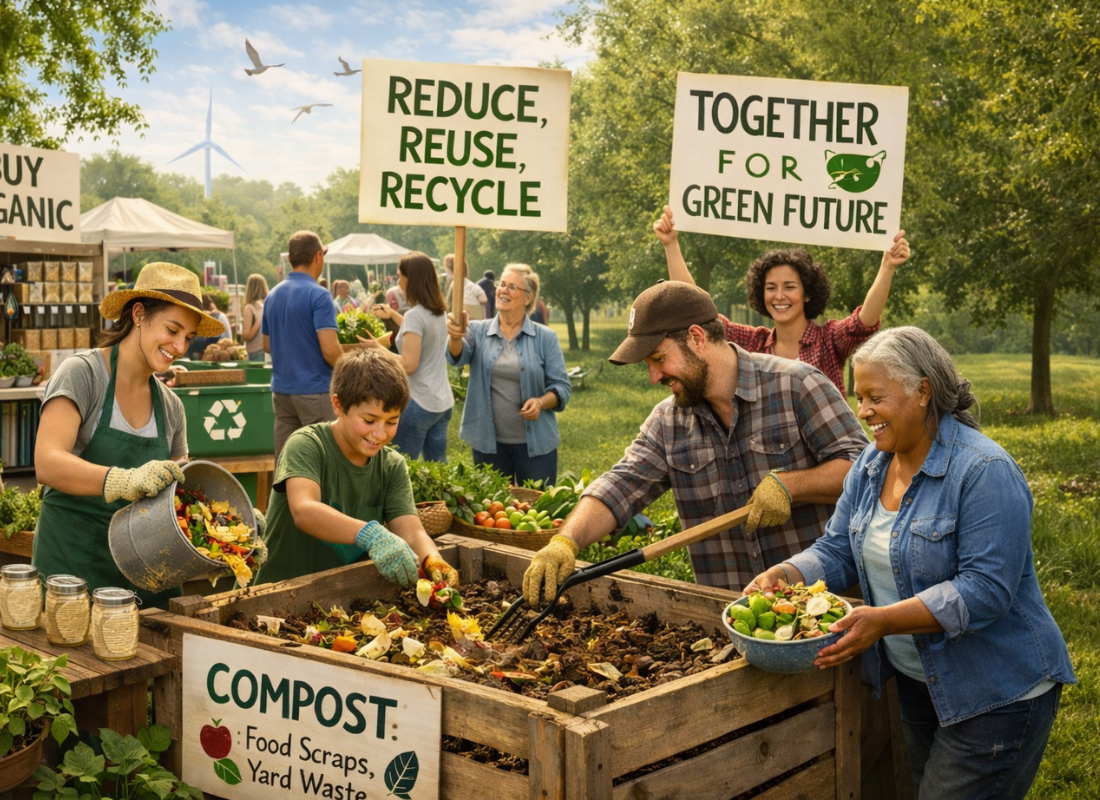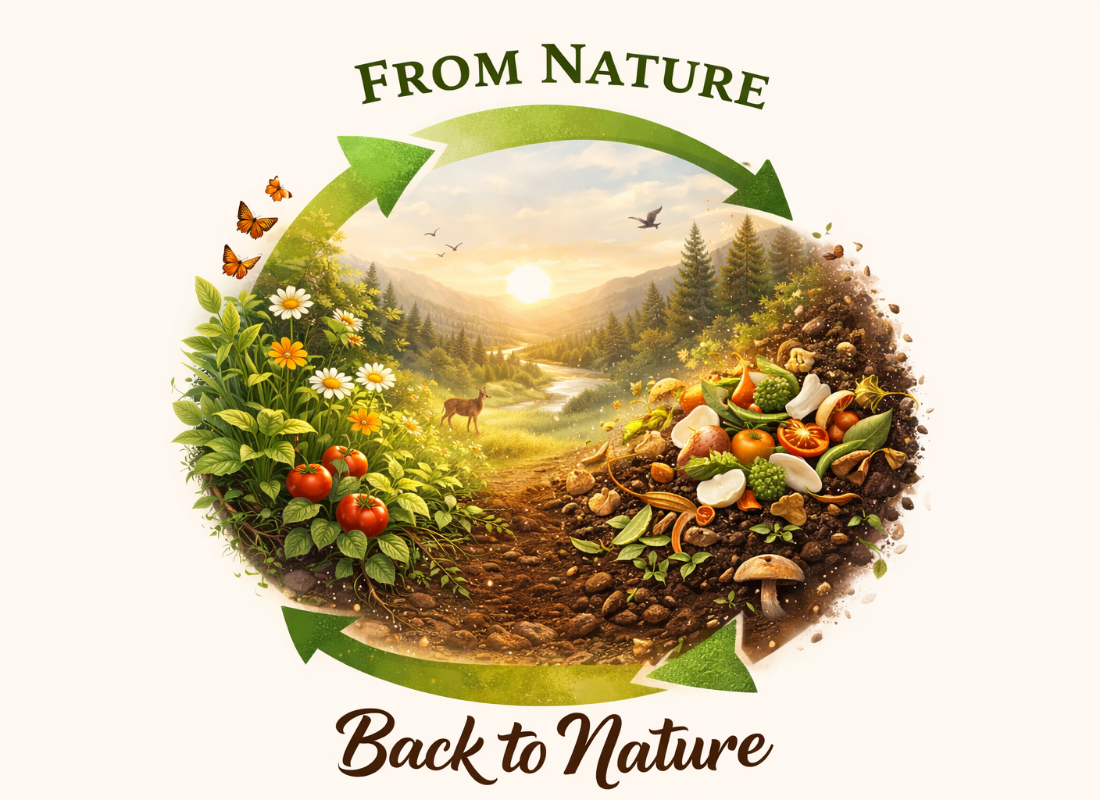
In an era defined by rapid consumption and environmental urgency, the conversation around single-use products has never been more important. For decades, convenience reigned supreme: plastic cutlery at drive-thrus, disposable coffee cups on commutes, and individually wrapped snacks in lunchboxes. While these innovations helped fuel modern lifestyles, they also planted the seeds of a global waste crisis. Now, as planetary limits tighten and consumer values shift, a powerful idea is emerging: returning from nature back to nature—rethinking single-use without sacrificing quality.
This concept is not just about eliminating waste. It’s about reimagining the lifecycle of products—from raw materials to end-of-life disposition—and designing solutions that honor both human needs and ecological integrity. It’s an acknowledgment that convenience and sustainability must coexist if meaningful change is to be realized.
The Problem with Traditional Single-Use
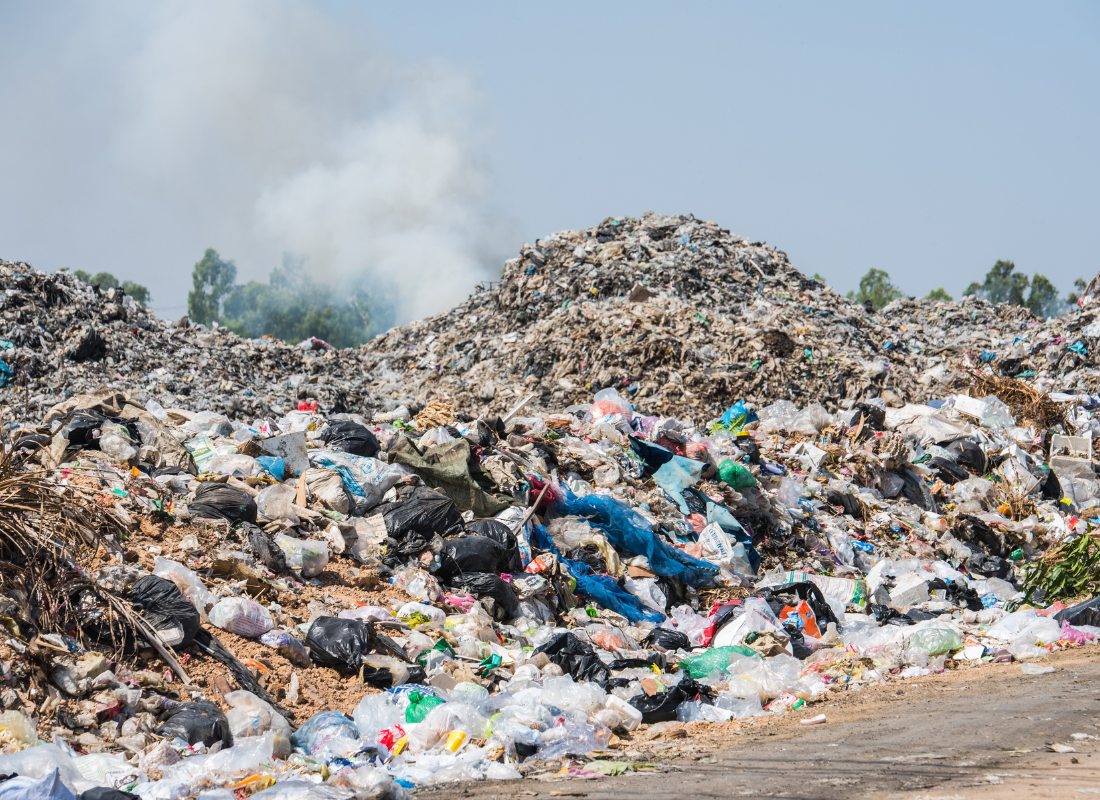
The “single-use” model exploded alongside plastics in the mid-20th century. These materials were cheap, lightweight, and adaptable. What seemed like a miraculous innovation quickly revealed a hidden cost: persistent pollution.
Plastics and other synthetic materials can take hundreds to thousands of years to degrade, breaking down into microplastics that infiltrate soils, waterways, and even the human body. Landfills swell, oceans choke with debris, and recycling systems struggle under unmanageable volume and contamination. Despite promising recycling rates, only a small fraction of plastic waste—estimates range around 9% globally—is actually recycled into new products. The rest is incinerated, landfilled, or escapes into the environment.
The challenge, therefore, isn’t limited to waste collection or consumer behavior—it’s inherent in the material choices and design assumptions we’ve made. True progress means going beyond mechanical fixes to rethink what we make, how we make it, and what happens after use.
Quality Doesn’t Have to Be Disposable
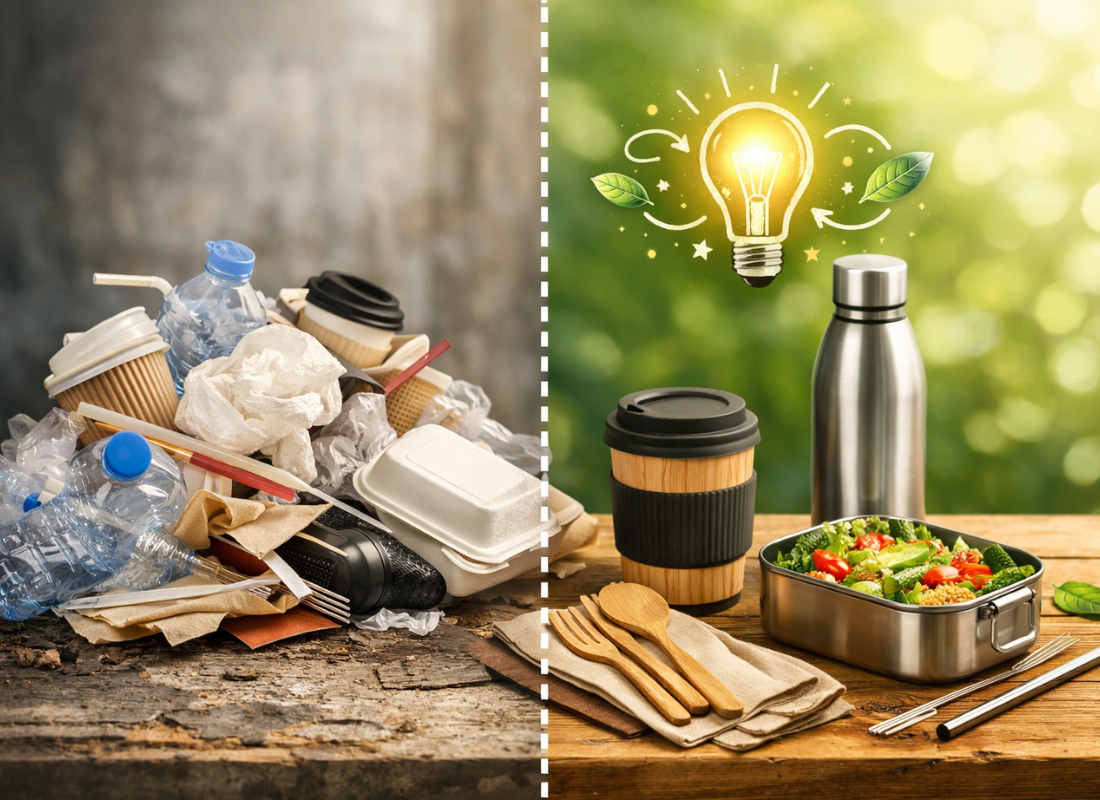
One common myth in sustainable design is that eco-friendly products must be inferior in performance or convenience. Yet this couldn’t be farther from the truth. Rethinking single-use around quality means demanding products that perform as well—or better—than their traditional counterparts, but without compromising environmental values.
Take, for example, biodegradable or compostable alternatives. Advances in materials science have generated packaging from plant-based polymers, agricultural residues, and even algae. When designed properly, these materials can provide the same strength and function as petroleum-based plastics and return to the earth harmlessly at end of life. The critical caveat is ensuring they are truly compostable under real conditions and not just labeled green without follow-through—an issue known as greenwashing.
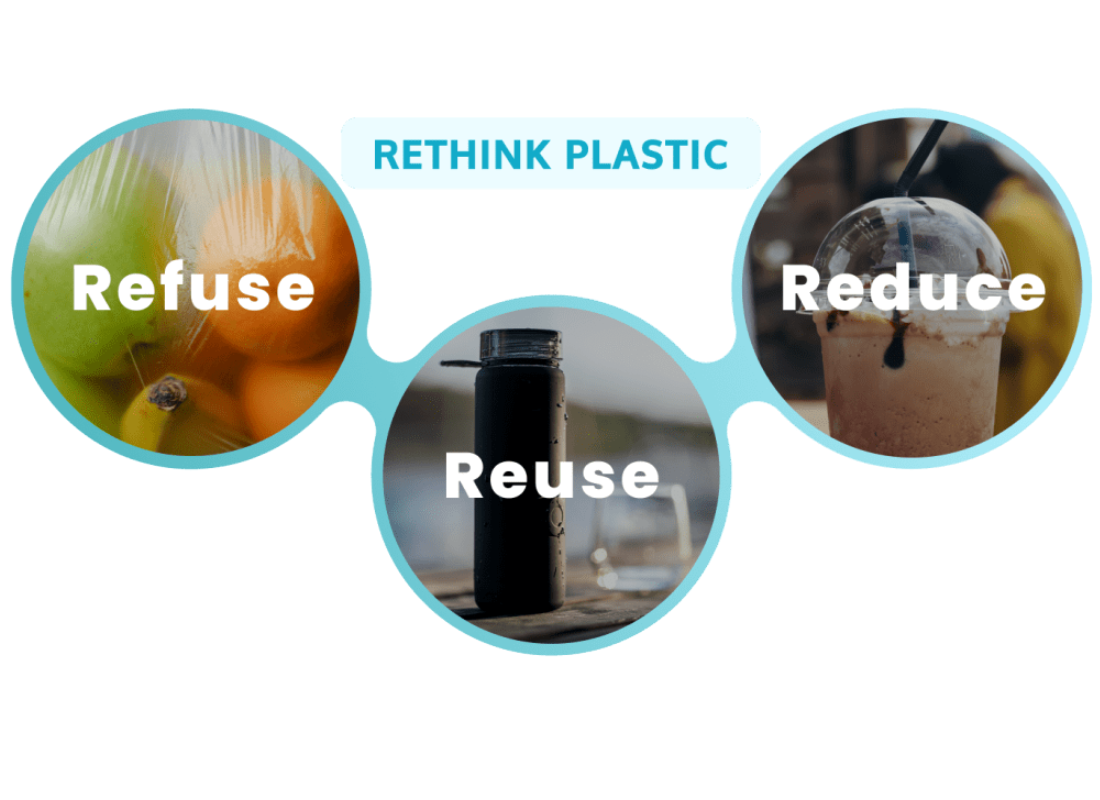
Similarly, companies are innovating with reusable systems designed for simplicity and hygiene. Refillable beverage containers, modular serveware for food delivery, and durable bags or wraps demonstrate that longevity can coexist with practicality. These systems shift the economic and environmental burden away from endless disposal and toward thoughtful reuse.
Designing for the Full Life Cycle
An essential principle of rethinking single-use is life cycle thinking—evaluating a product’s impacts from extraction to disposal. Rather than optimizing for minimal upfront cost or maximum short-term convenience, designers consider:
- Raw Material Sourcing: Are materials renewable? Do they avoid harmful extraction practices?
- Manufacturing: How much energy and water does production consume? What emissions are involved?
- Distribution: Can products be shipped efficiently? How do packaging choices affect transportation impacts?
- Usage Phase: How well does the product perform? Can it be reused, repaired, or refilled?
- End-of-Life: Is the product recyclable or compostable? What infrastructure is required for proper disposal?
This holistic perspective helps identify trade-offs and prioritize choices that achieve the best overall outcomes for both people and the planet. For example, a reusable cup may require more resources to produce than a disposable one, but over hundreds of uses, its per-use impact often becomes significantly lower.

Systems, Infrastructure, and Behavior Change
Redesigning products is just one piece of the puzzle. For a nature-centric future to succeed, broader systems and infrastructure must evolve.
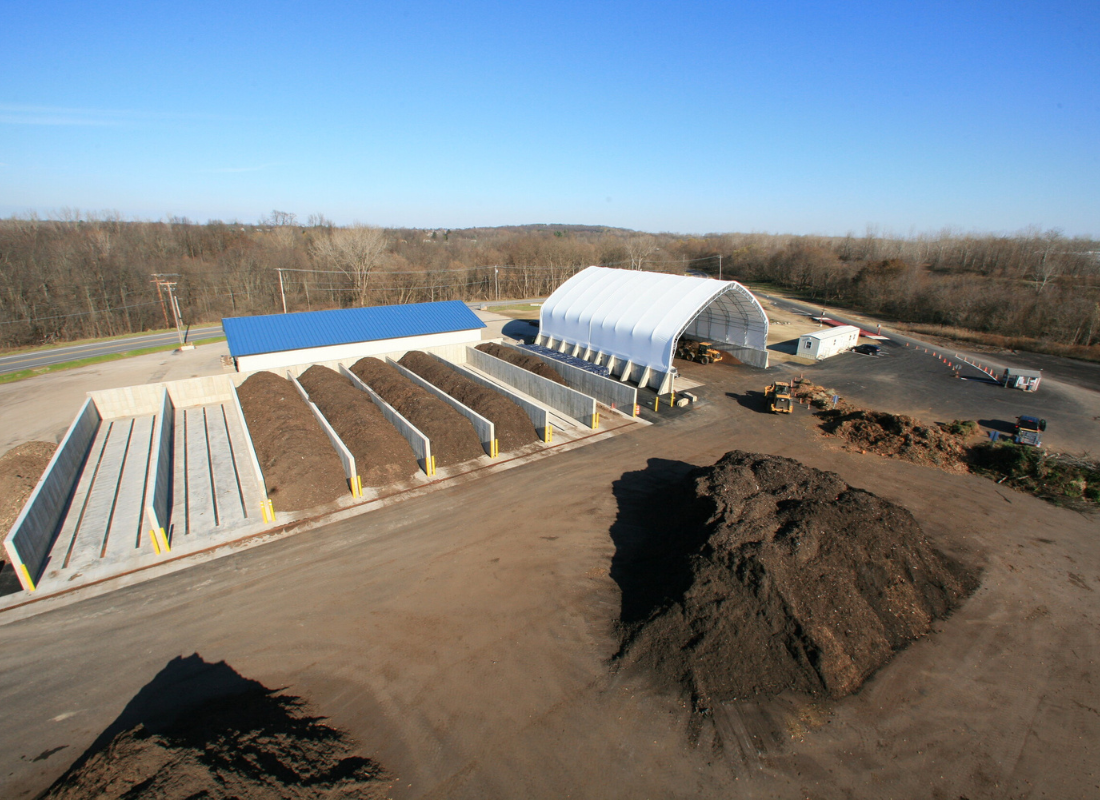
In cities around the world, composting infrastructure is expanding, enabling biodegradable materials to complete their life cycles properly. Likewise, deposit-return systems for containers have boosted recycling rates and incentivized reuse. Some businesses are piloting refill stations for personal care products, detergents, and even food items, reducing packaging waste at the source.
However, infrastructure alone isn’t enough. Consumer behavior and cultural norms play a critical role. People must value and trust sustainable options—not just as novelty items, but as everyday essentials. This shift is already underway: a rising number of consumers are willing to pay premiums for responsibly designed products, and communities are forming around practices like package-free shopping and local swapping.
Governments and regulators are also stepping in, banning certain single-use plastics, setting recycled content requirements, and funding waste management systems. When policy aligns with innovation, meaningful transformation accelerates.
Equity and Access in Sustainable Solutions
As we rethink single-use, it’s vital to ensure that solutions are equitable and accessible:
- Affordability: Sustainable alternatives shouldn’t be exclusive to affluent consumers. Scalable production and supportive policy can help reduce cost barriers.
- Global Context: Waste and resource challenges differ across regions. Solutions must be locally appropriate—recognizing that what works in one country may not in another.
- Community Engagement: Residents, workers, and small businesses should be part of the design and implementation of sustainable systems to ensure relevance and buy-in.
By centering equity, sustainable redesign becomes not just an environmental imperative but a social one.

Looking Forward: What Success Looks Like
In a future where single-use is truly rethought, we might see:
- Packaging that decomposes naturally without leaving harmful residues.
- Systems that prioritize refill, reuse, and repair over disposal.
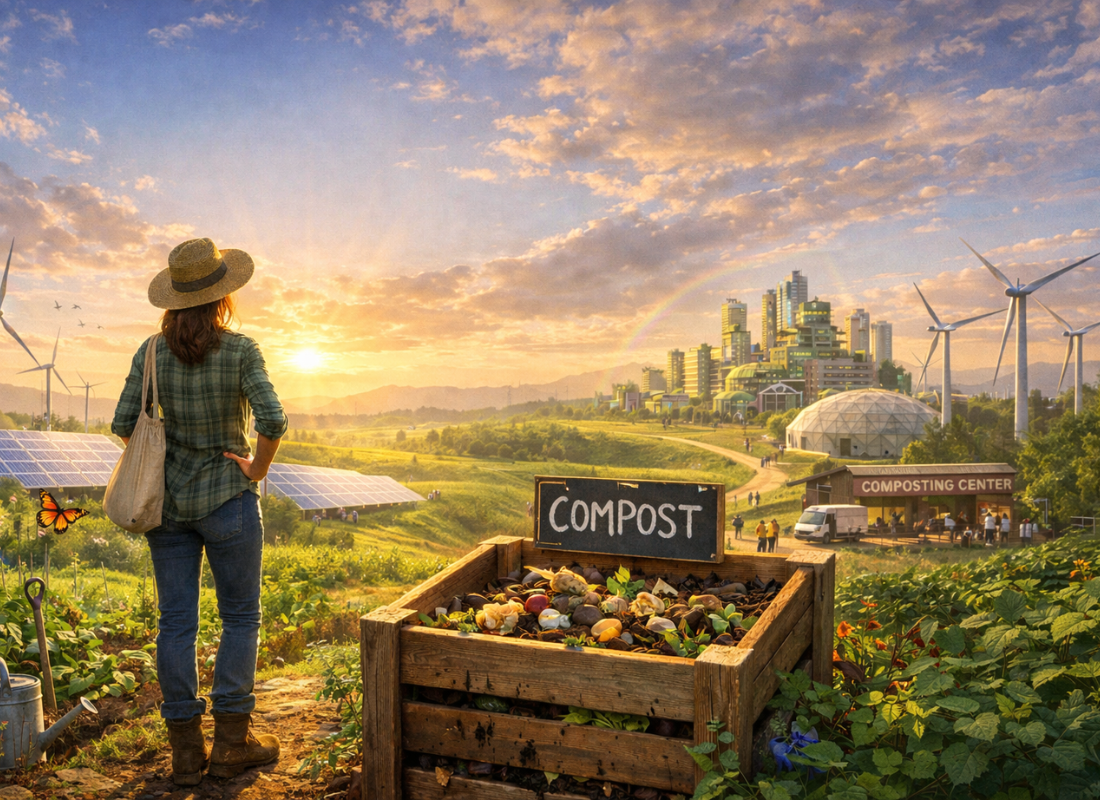
- Cities with robust composting and recycling that close material loops.
- Consumers who view sustainability as the baseline expectation, not an optional upgrade.
- Businesses that innovate with performance and planet in equal measure.
This vision is not utopian—it’s increasingly within reach. Across industries, designers, scientists, policymakers, and communities are collaborating to forge alternatives that honor both human quality of life and the health of ecosystems.
Conclusion: Embracing Nature’s Wisdom
To rethink single-use without sacrificing quality is ultimately to return to a principle that nature itself models: nothing is waste, everything transforms. In natural ecosystems, outputs from one process become inputs for another; cycles are closed, resources are valued, and resilience is built over time.
Humans can emulate these patterns through thoughtful design, responsible consumption, and collective action. The journey from nature back to nature challenges us not to reject modern conveniences, but to evolve them—so that what we use serves our lives and the living world that sustains us.
Quality and sustainability are not opposing goals; they are complementary expressions of intelligent design. As individuals, businesses, and societies, we have the tools and creativity to make this transition. The question now is not if we can do it, but how quickly and boldly we choose to act.