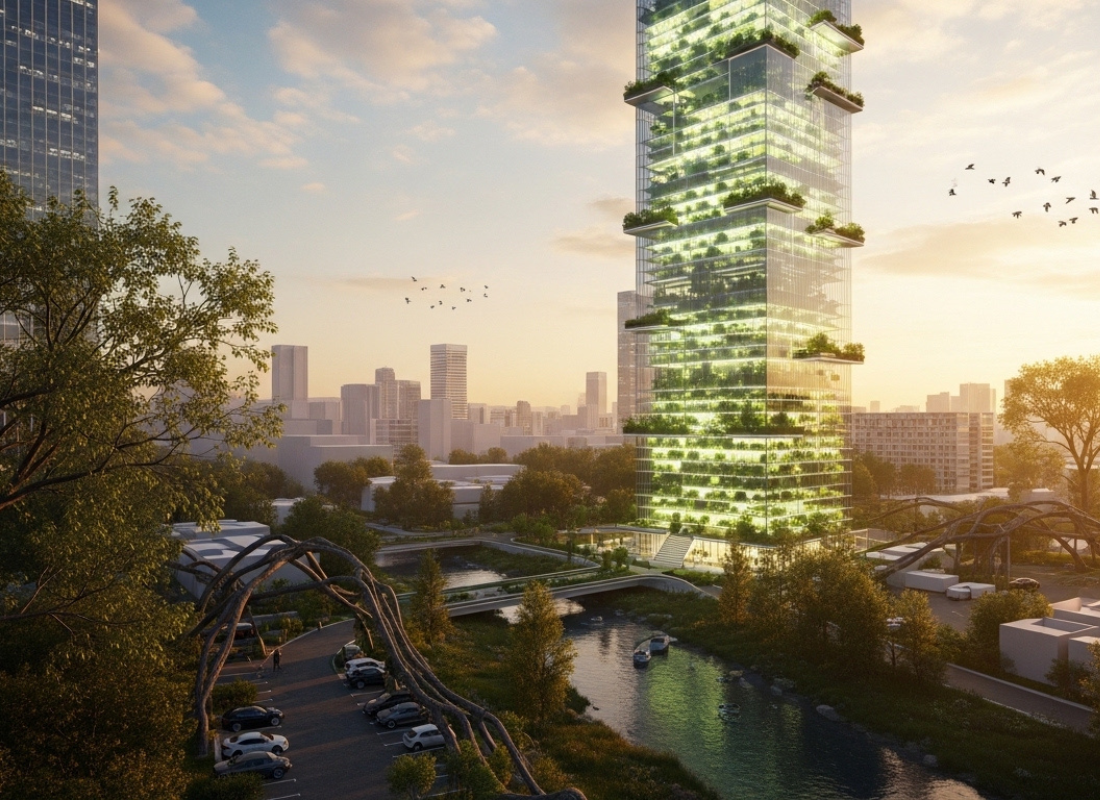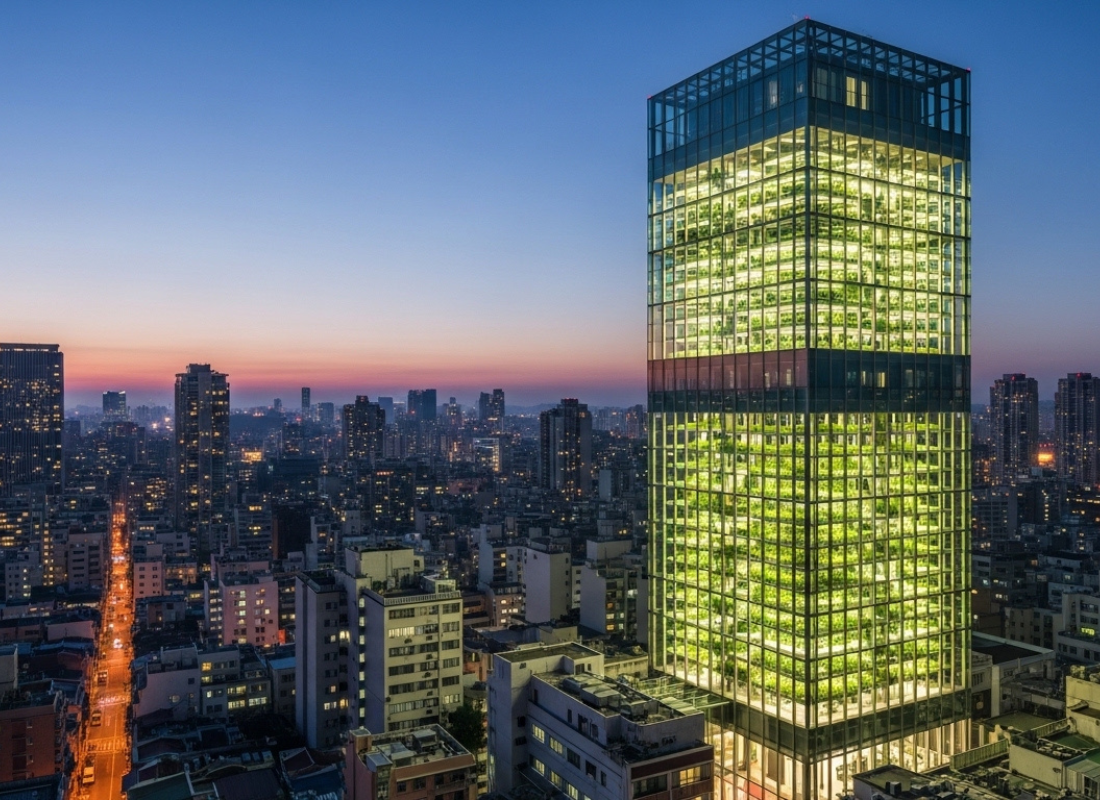
Picture this: a towering building in the heart of a bustling city, its floors stacked not with offices or apartments, but with rows upon rows of lush green plants. Lettuce, herbs, strawberries, and kale growing under the soft glow of LED lights, nourished by recycled water, harvested daily, and delivered to local restaurants and grocery stores within hours. No soil. No seasons. No pesticides. No thousands of miles of supply chain.
This is not science fiction. This is vertical farming — and it is quietly revolutionizing the way cities think about food, sustainability, and the future of our relationship with nature.
The Urban Food Problem
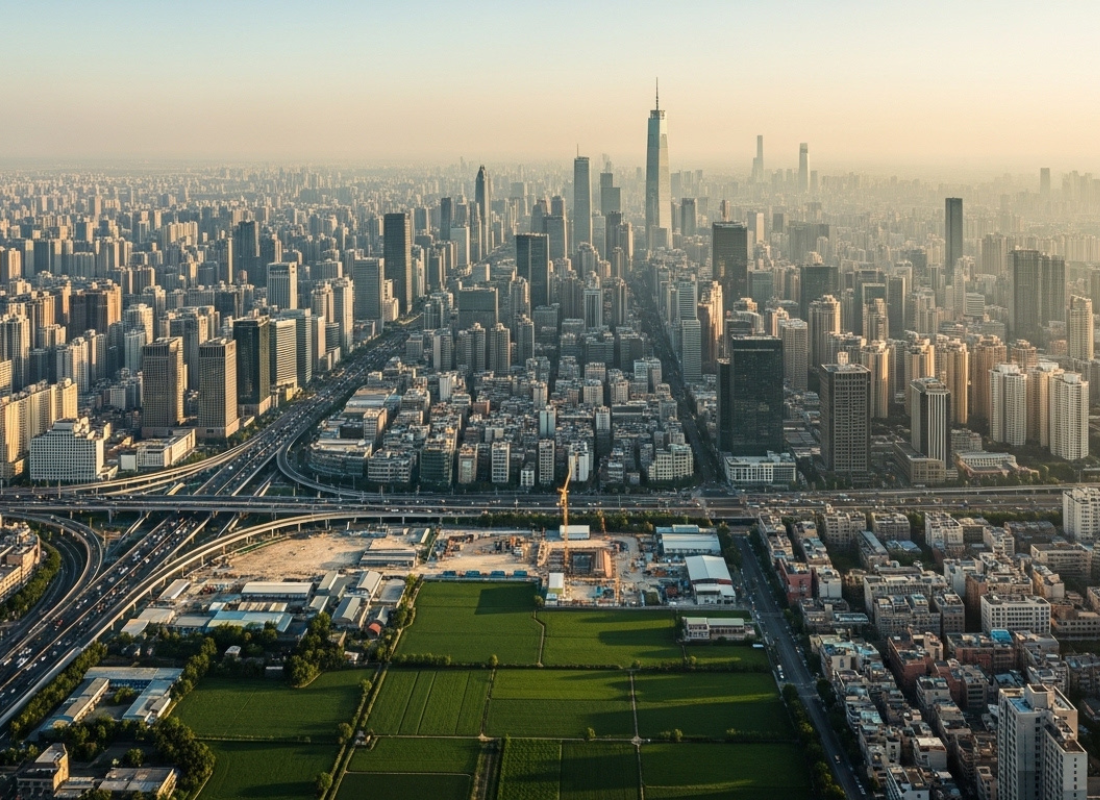
By 2050, nearly 70% of the world’s population will live in cities. Feeding that many urban dwellers using conventional agriculture — which already occupies about 50% of the Earth’s habitable land — is one of the greatest challenges of our time.
Traditional farming is land-hungry, water-intensive, and heavily dependent on chemical inputs. It is also extraordinarily vulnerable to the disruptions of climate change: droughts, floods, heatwaves, and shifting seasons can devastate harvests and send food prices soaring in cities far removed from the fields.
On top of that, the average meal in the United States travels more than 1,500 miles from farm to fork. That journey burns fossil fuels, generates greenhouse gas emissions, and results in significant food waste — up to 40% of fresh produce spoils before it ever reaches a consumer.
Cities need a new model. And vertical farming offers a compelling answer.
What Is Vertical Farming?
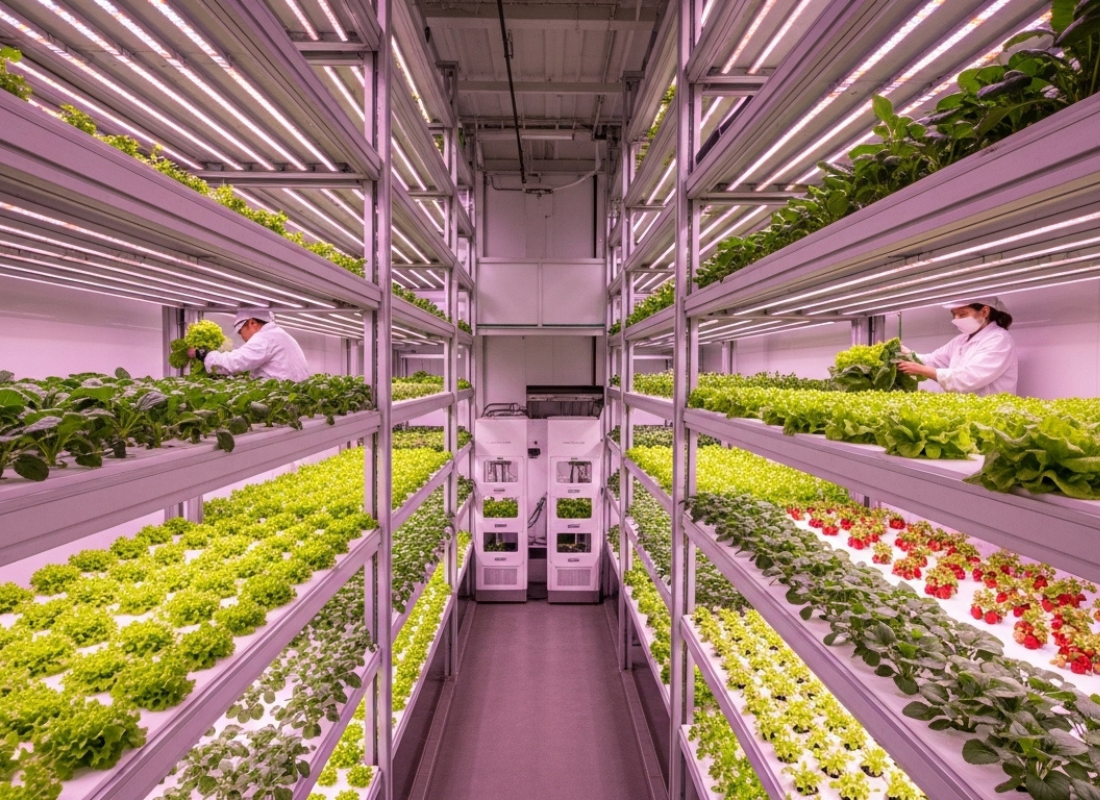
Vertical farming is the practice of growing crops in stacked layers, typically inside controlled indoor environments such as warehouses, repurposed buildings, or purpose-built towers. Instead of spreading outward across vast fields, these farms grow upward — making extraordinary use of limited urban space.
The key technologies that make vertical farming possible include:
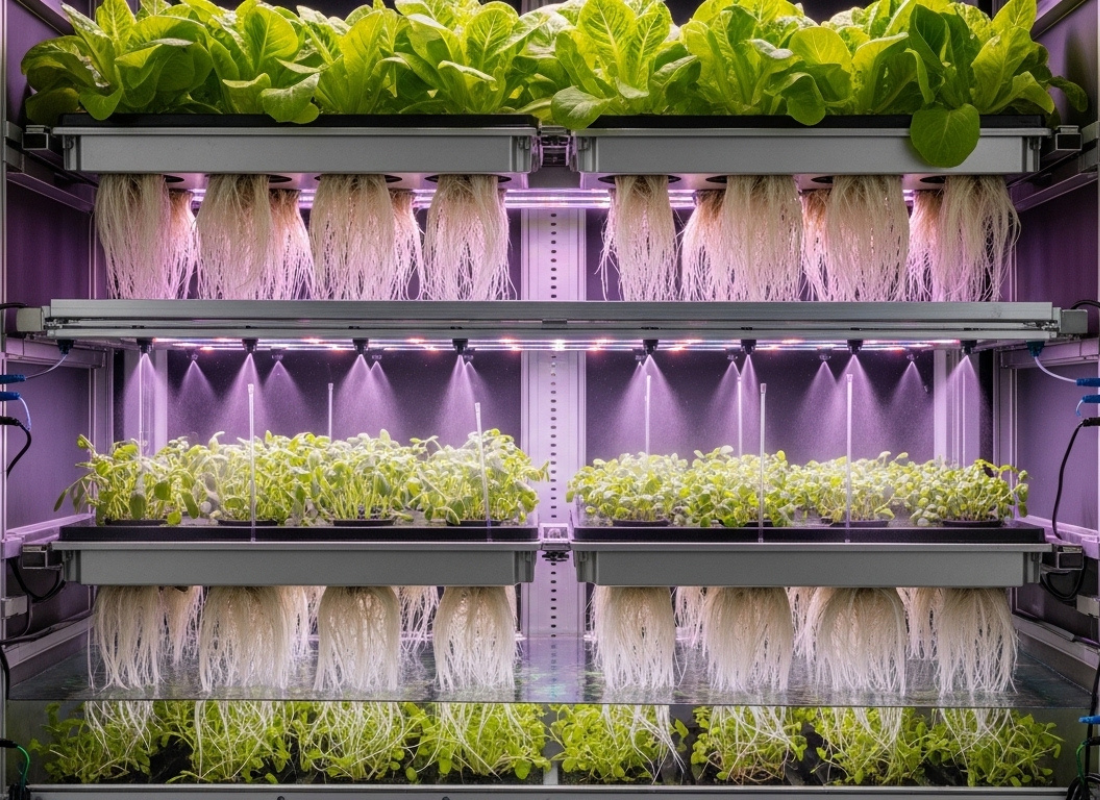
Hydroponics and aeroponics — systems that deliver nutrients directly to plant roots through water or mist, eliminating the need for soil entirely and using up to 95% less water than conventional farming.
LED lighting — specially calibrated lights that mimic the sun’s spectrum, allowing crops to grow 24 hours a day, 365 days a year, regardless of weather or season.
Climate control — precise regulation of temperature, humidity, and CO₂ levels to create optimal growing conditions for each crop variety.
Data and automation — sensors, artificial intelligence, and robotics that monitor plant health in real time and automate harvesting, reducing labor costs and minimizing human error.
The result is a farming system that can produce yields up to 100 times greater per square foot than traditional outdoor agriculture, while using a fraction of the resources.
The Environmental Case for Growing Up
Vertical farming’s environmental credentials are genuinely impressive — though not without nuance.
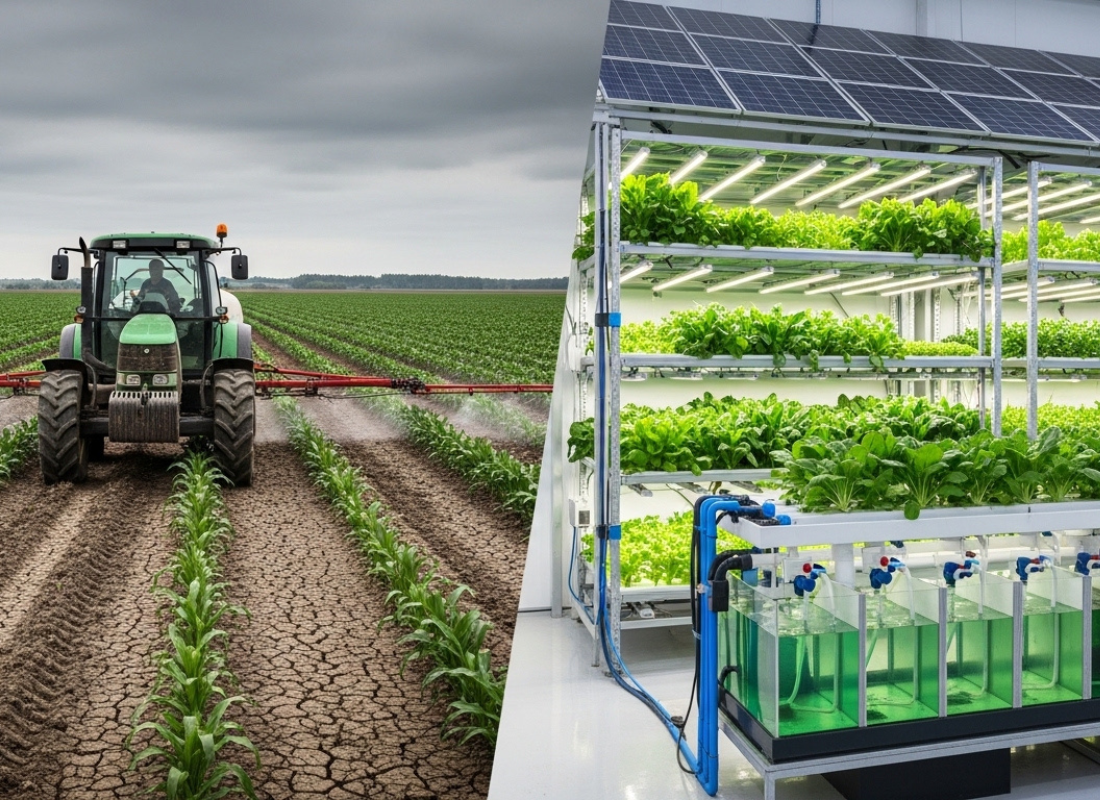
On the plus side, vertical farms use dramatically less water, produce zero agricultural runoff, require no pesticides or herbicides, and can be located directly in cities, slashing transportation emissions and food waste. They can be powered by renewable energy, making their carbon footprint potentially close to zero. They also free up vast tracts of land that could be rewilded, allowing nature to reclaim territory and biodiversity to recover.
In a world where agriculture is the single largest driver of habitat destruction, deforestation, and freshwater depletion, the ability to produce food without touching a single acre of natural land is a transformative prospect.
However, vertical farming is not a silver bullet. Current operations rely heavily on electricity — a significant drawback if that electricity comes from fossil fuels. Energy consumption remains the biggest challenge facing the industry, and critics rightly point out that without a renewable energy transition, vertical farms could simply shift their environmental impact rather than eliminate it.
The crops that can currently be grown at scale in vertical farms are also limited — mostly leafy greens, herbs, and soft fruits. Staple crops like wheat, corn, and rice, which require vast quantities of light and space, remain economically unviable in vertical systems for now. This means vertical farming is a complement to, not a replacement for, traditional agriculture.
Cities Leading the Way
Around the world, forward-thinking cities are already embracing vertical farming as part of their sustainability strategies.
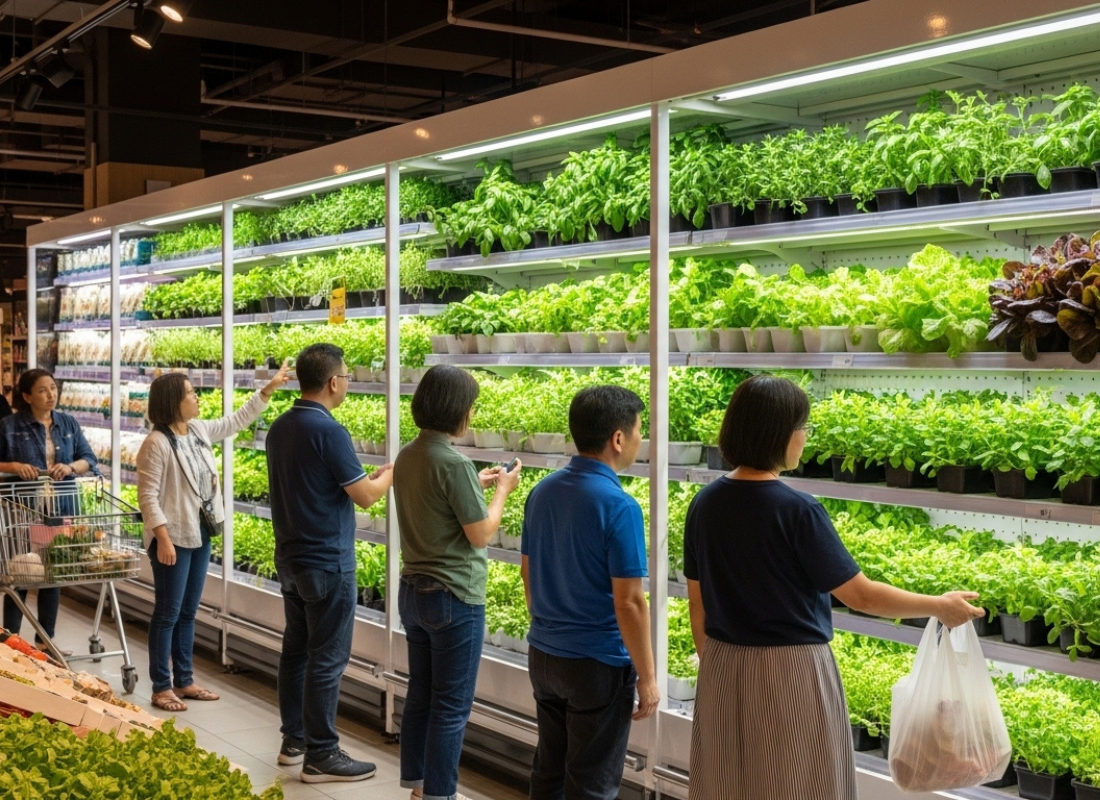
In Singapore, where land is scarce and over 90% of food is imported, vertical farms are being integrated into supermarkets, rooftops, and even public housing estates as part of a national goal to produce 30% of nutritional needs locally by 2030.
In Tokyo, urban farms are sprouting in the basements of department stores and the rooftops of office buildings, reconnecting city dwellers with the process of growing food.
In Detroit, vertical farming is being used as a tool for urban renewal, transforming abandoned industrial buildings into productive green spaces that create jobs and improve food access in underserved communities.
In Dubai, where the desert climate makes outdoor farming nearly impossible, vertical farms are helping to build food security in one of the world’s most water-stressed regions.
These cities are proving that the future of food is not somewhere out in the countryside — it is right here, woven into the fabric of urban life.
Farming as a Form of Reconnection
Beyond the practicalities of food production, vertical farming offers something less tangible but equally important: a renewed connection between people and the food they eat.
When a child in a city school visits a vertical farm and watches a lettuce plant grow from seed to harvest in three weeks, something shifts. When a community garden on a rooftop becomes a gathering place for neighbors, food becomes more than fuel — it becomes a relationship with the living world.
This reconnection matters. Biodiversity loss, ocean pollution, deforestation — these crises are driven in part by a collective disconnection from nature. When we don’t see where our food comes from, it’s easy to ignore the cost of producing it. Bringing farming back into cities makes the invisible visible.
We believe that every step toward a more sustainable world starts with awareness. Whether it’s choosing a rice straw over a plastic one, or buying locally grown produce from an urban farm, each conscious choice is a thread in a larger tapestry of change.

The Seed of a New Urban Future
Vertical farming will not solve every problem in our food system. But it represents something vital: proof that human creativity can find ways to live and thrive that work with nature rather than against it.
As cities grow taller, so too can our fields. As our population expands, so too can our ingenuity. The future of farming may not be a vast flat field stretching to the horizon — it may be a glowing green tower rising above the city skyline, feeding thousands while the land below slowly, quietly, comes back to life.