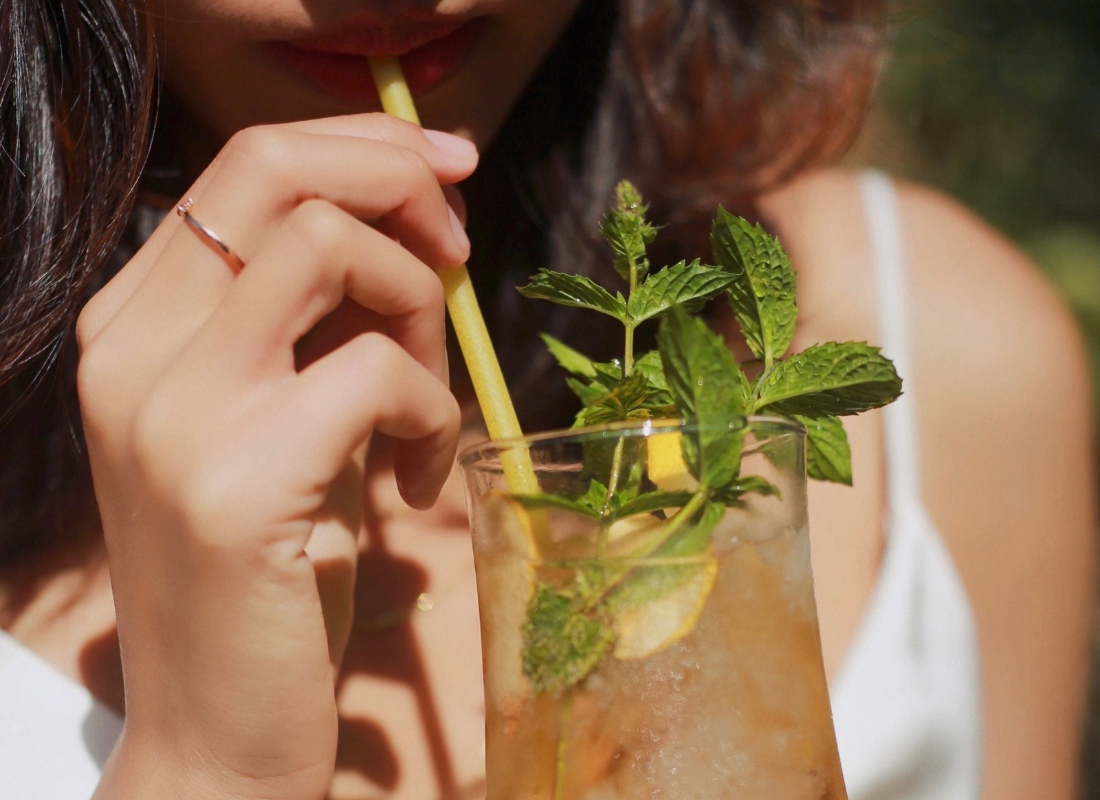
In today’s luxury hospitality landscape, “wellness” is no longer confined to spa menus, fitness studios, or farm-to-table dining. It has become a holistic expectation—woven into every moment of the guest journey. Travelers now look for hotels and resorts that nurture not just their comfort, but their physical and emotional wellbeing. And while wellness trends often spotlight grand amenities like infrared saunas or AI-driven sleep pods, the truth is simpler: genuine wellbeing begins with the smallest, most everyday choices. Even something as modest as the straw in a guest’s cocktail can quietly reinforce (or undermine) your hotel’s commitment to health.
This shift presents a powerful opportunity. By rethinking the seemingly insignificant touchpoints—those that guests interact with dozens of times during a stay—hospitality brands can signal authenticity, care, and forward-thinking values. And the humble drinking straw is a perfect example of how micro-decisions shape macro impressions.

1. Wellness Is No Longer a Perk—It’s a Standard
Just a decade ago, wellness offerings were a differentiator for top-tier hotels. Spas, yoga classes, and carefully curated menus set premium properties apart. But as global travelers became more health-conscious—especially following the pandemic—wellness transformed from a luxury into an expectation.
Today’s guests, particularly within high-end hospitality, associate wellness not only with relaxation but with safety, cleanliness, and transparency.
They notice the ingredients in their meals, the air quality in their rooms, and the materials used in everyday items. They expect decisions that reflect thoughtful stewardship: choices that protect not only their personal wellbeing but that of the environment and local communities.
This cultural shift forces hospitality leaders to re-evaluate the products they bring into their venues. Does every item align with the brand’s wellness promise? Does it help create an experience that nurtures the guest? These questions apply everywhere—from spa rituals to bathroom toiletries, from food sourcing to barware. And yes, even to straws.

2. Small Touchpoints Carry Big Emotional Weight
A guest interacts with a straw more directly than with many other amenities: they hold it, sip from it, often take a picture of their cocktail with it, and may comment on it to friends. It is a tactile part of their experience. That makes it much more than an accessory—it’s a symbol.
A paper straw that becomes mushy in 10 minutes communicates inconvenience and low quality, instantly disrupting the moment. A plastic straw signals environmental disregard—an immediate contradiction to wellness messaging. Both create friction, however subtle, that chips away at the guest’s perception of care and hospitality.
On the other hand, a high-quality, natural, comfortable straw—one that feels clean, premium, and pleasant to use—subtly reinforces what modern travelers crave: a feeling of being genuinely looked after.
Guests may not consciously analyze the straw in their glass, but they absolutely feel the difference.

3. Wellness Means Reducing Exposure to Unnecessary Chemicals
One aspect of wellness that is often overlooked in hospitality discussions is material safety. Guests want to know that the products they touch and consume from are free from unnecessary chemicals, glues, dyes, or manufacturing additives.
This is where sustainable natural alternatives—like rice-based straws—align strongly with wellness expectations. Unlike paper straws, which often require adhesives or coatings, or bioplastics, which may break down into microplastics, rice straws are made from natural ingredients and are entirely biodegradable. They introduce no unwanted substances to a guest’s drink, no strange aftertaste, and no risk of flaking or dissolving.
In an era where health advisors caution against microplastic exposure, hotels that proactively remove these materials from their F&B operations send a powerful wellness message. They show that health isn’t only addressed in the spa—it’s respected at the bar, in the restaurant, and in every small detail.

4. Wellness Is About Sensory Harmony
The luxury travel experience is sensory: the smoothness of linens, the aroma of essential oils, the presentation of a drink. When any element feels inconsistent, the harmony is broken.
Few things break the sensory flow like a soggy, collapsing paper straw interrupting a sunset cocktail. Or a straw that bends, cracks, or tastes artificial. These moments seem tiny, but luxury standards are built on eliminating any disturbance, however minor.
A high-quality natural straw maintains structural integrity, offers a clean and neutral taste, and looks refined—all contributing to the emotional impression of ease, comfort, and pampering. It shows that your brand considers the entire experience from start to finish.
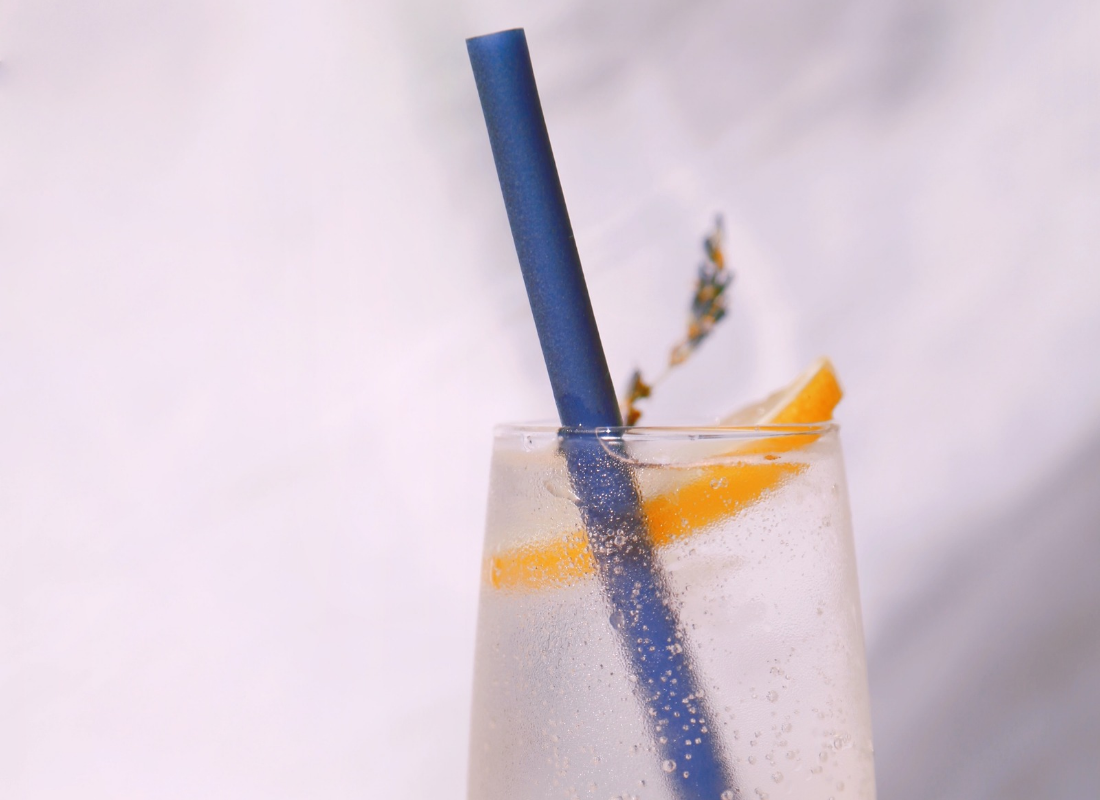
5. Eco-Wellness: When Guest Health Meets Environmental Health
There is a growing understanding that personal wellbeing is inseparable from planetary wellbeing. Guests today—especially the younger luxury demographic—want to stay in places that make choices aligned with sustainability and health.
This merging of personal and environmental wellness creates an opportunity for hospitality brands to differentiate through conscious product choices. Switching to eco-friendly, natural straws communicates:
- Respect for the environment
- Support for healthier ecosystems
- Alignment with global sustainability movements
- Authenticity in wellness positioning
When a guest sees a rice straw instead of a plastic or paper straw, they immediately sense intentionality. It feels modern. Responsible. In harmony with the retreat they hoped to experience.

6. Small Changes Signal a Larger Commitment
A guest does not see the complexity behind a hotel’s sustainability and wellness programs. They don’t witness procurement processes or operational policies. What they do see are the small decisions: amenities, packaging, materials, and personal touchpoints.
That’s why something as simple as a straw becomes a visible indicator of invisible effort.
If a hotel cares enough to choose a healthy, sustainable straw, what else are they doing behind the scenes? The assumption is positive and powerful. It builds trust. And it positions the property as thorough and sincere in its commitment to wellness.
The inverse is also true: if a hotel still uses cheap materials for small items, guests may question its credibility when promoting larger wellness initiatives.
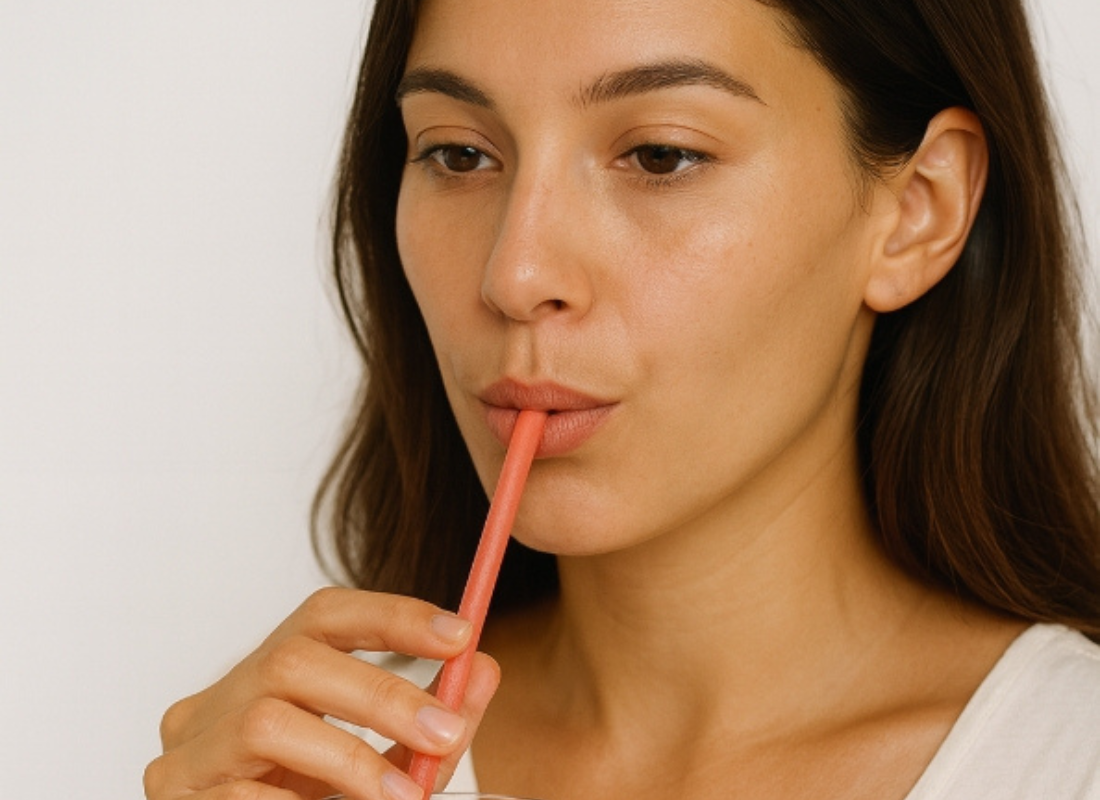
7. A New Era of Hospitality Starts With Micro-Wellness
“Micro-wellness” is a rising concept in hospitality: the idea that wellness comes not only from major facilities but from hundreds of small, intentional choices that make a guest feel nurtured.
Micro-wellness includes:
- Using non-toxic materials
- Offering natural products
- Reducing waste
- Honoring the senses
- Protecting the body from irritants or pollutants
- Creating seamless, comfortable experiences
Choosing a natural straw is one of the simplest micro-wellness decisions a property can make—yet it delivers outsized emotional impact.

Conclusion: Wellness Begins at the First Sip
Health-focused hospitality is not defined by how extravagant a wellness menu is, but by how thoroughly a brand thinks about the guest’s wellbeing. Today, travelers notice everything. And they value the places that care enough to perfect even the smallest details.
That’s why rethinking your straw is not about replacing an accessory—it’s about embracing a philosophy. It’s about telling your guest:
“Your wellbeing matters here, in every moment, in every touchpoint, in every sip.”
When wellness becomes the standard, even the smallest choices count. And sometimes, the smallest choices speak the loudest.