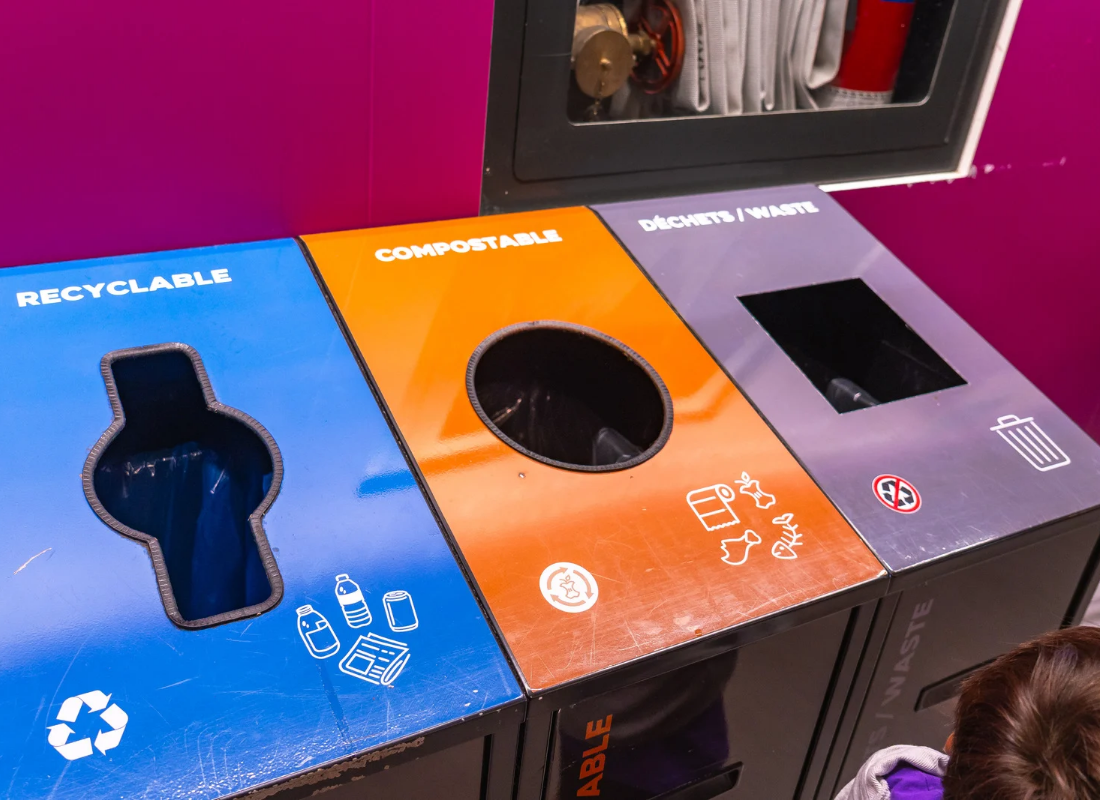
Waste reduction is often framed as a downstream problem. Discussions tend to focus on recycling rates, waste sorting, composting infrastructure, and landfill diversion. While these elements are important, they address waste only after it has already been created. In reality, the most effective waste reduction strategies begin far earlier—long before anything reaches a trash bin.
To meaningfully reduce environmental impact, organizations, consumers, and policymakers must shift their attention upstream, toward design, procurement, and operational decisions that determine whether waste exists in the first place. Waste reduction is not primarily a disposal challenge; it is a planning and systems challenge.
 The Limits of Disposal-Based Thinking
Recycling and composting are often positioned as solutions, but they are inherently reactive. They manage the consequences of waste rather than preventing its creation. Even in regions with advanced waste management systems, recycling rates remain inconsistent, contamination is common, and significant amounts of material still end up in landfills or incinerators.
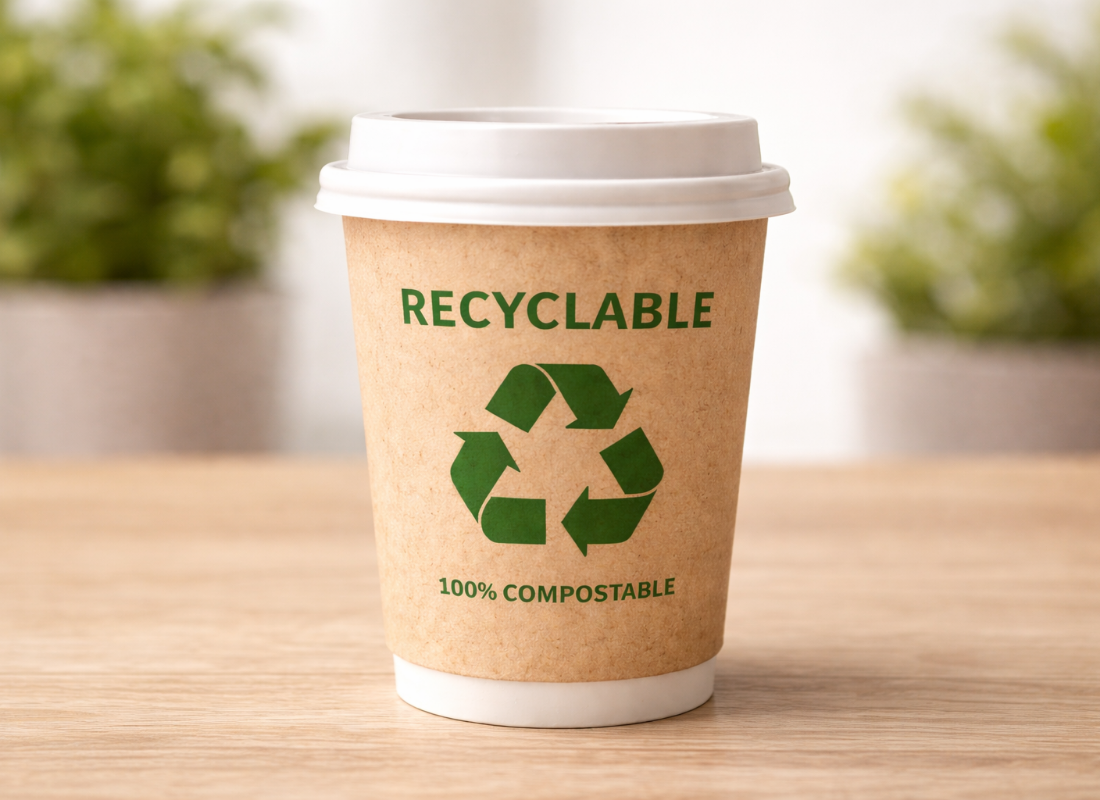
Moreover, many products marketed as “recyclable” or “compostable” rely on ideal conditions that rarely exist in practice. Industrial composting facilities, specialized recycling streams, and consumer compliance cannot be assumed. As a result, disposal-focused sustainability strategies frequently overpromise and underdeliver.
True waste reduction requires moving beyond end-of-life narratives and addressing the root causes of waste generation.
Design: Where Waste Is Decided
Product and packaging design is one of the earliest and most influential points at which waste is determined. Choices made at this stage—materials, additives, coatings, durability, and single-use assumptions—dictate not only how a product performs, but also whether it can realistically be reused, recycled, or safely returned to nature.
Designing for disposability creates waste by default. Designing for longevity, reuse, and material simplicity reduces waste structurally. For example:
- Multi-material products may perform well but are often unrecyclable.
- Excessive packaging adds immediate waste without functional value.
- Products designed for short lifespans guarantee frequent replacement and disposal.
When waste is “designed in,” no downstream solution can fully compensate for it.

Procurement as a Waste Lever
Procurement decisions are often underestimated as a sustainability lever. Yet what organizations choose to buy—especially at scale—has a direct and measurable impact on waste volumes.
In hospitality, for instance, procurement teams routinely select single-use items based on unit cost, availability, or perceived convenience, without fully accounting for performance, lifespan, or disposal outcomes. The result is a steady stream of waste generated not by customer demand, but by default purchasing habits.
- Smarter procurement asks different questions:
- How long does this product actually last in real-world use?
- Does it introduce avoidable waste during service?
- What happens to it after use under normal disposal conditions?
- Does it require additional waste management effort or cost?
By prioritizing products that perform reliably and minimize disposal complexity, organizations reduce waste before it ever exists.
Operational Reality vs. Sustainability Claims
A common gap in waste reduction efforts lies between sustainability claims and operational reality. Many materials perform well in theory but fail in practice due to how businesses actually operate.
For example, items labeled as compostable may require specific temperatures, timeframes, or facilities that are not available on-site or locally. When staff are busy, waste streams are mixed. When bins are unclear, contamination occurs. When collection services are limited, compostable products are treated as general waste.
Waste reduction strategies that ignore operational constraints tend to shift responsibility onto staff or consumers rather than fixing the system itself. Effective upstream solutions acknowledge real-world conditions and reduce the need for perfect behavior.

The Cost of Waste Beyond Disposal
Waste is often treated as a low-cost externality, but its true cost extends well beyond disposal fees. Waste represents inefficiency across multiple dimensions:
- Wasted raw materials
- Wasted energy in production and transport
- Wasted labor in handling and disposal
- Reputational risk from visible wastefulness
In sectors such as hospitality and food service, waste also affects customer perception. Increasingly, guests notice not just what businesses say about sustainability, but what they actually do. Overflowing bins, soggy disposable items, and inconsistent “eco” solutions undermine credibility.
Reducing waste upstream improves operational efficiency while strengthening brand trust.

Reuse and Reduction Before Recycling
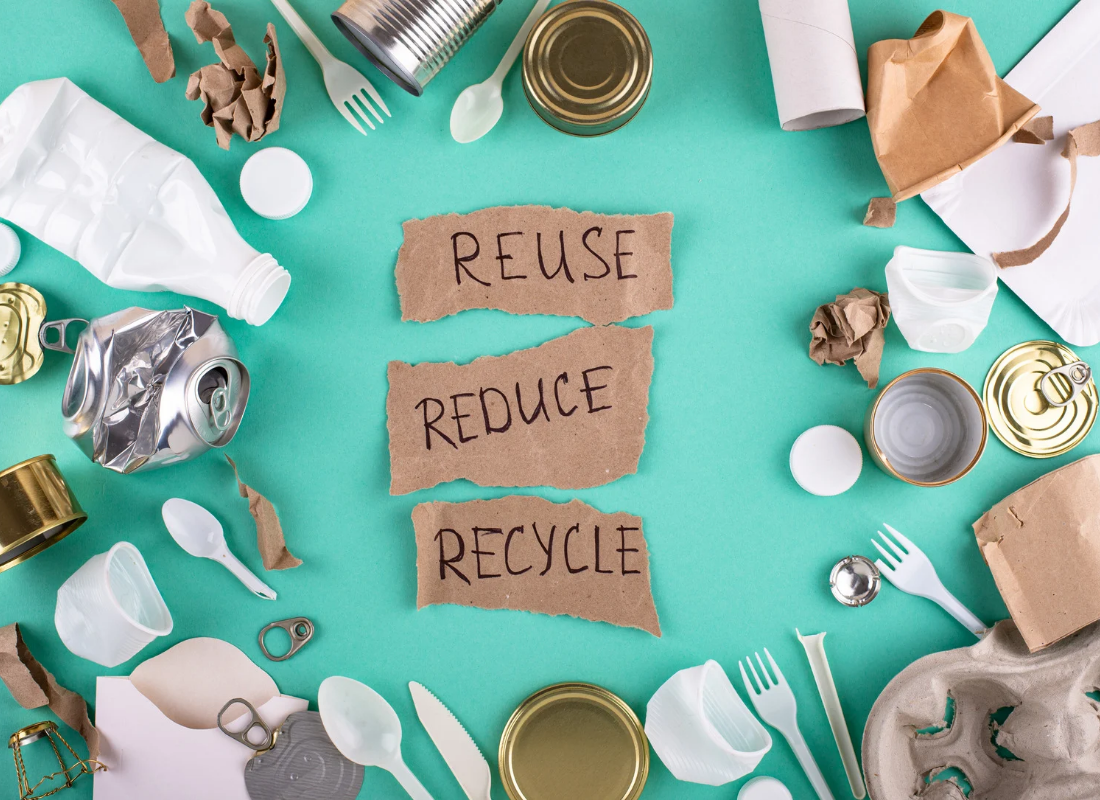
The waste hierarchy—reduce, reuse, recycle—exists for a reason, yet it is often reversed in practice. Recycling is emphasized because it is visible and familiar, while reduction and reuse require deeper systemic change.
Reduction means questioning whether an item is needed at all. Reuse means selecting products designed to perform repeatedly without degrading user experience. Both approaches eliminate waste entirely, rather than managing it later.
When businesses focus first on reduction and reuse, recycling becomes a smaller, more manageable component of a broader strategy rather than the primary solution.
Rethinking “Convenience”
Many waste-generating products are justified in the name of convenience. However, convenience is frequently defined narrowly, focusing on short-term ease rather than long-term efficiency.
A product that fails mid-use, alters taste, or must be replaced repeatedly is not truly convenient—it simply shifts inconvenience downstream. Durable, reliable alternatives often reduce staff intervention, customer complaints, and replacement frequency, all while generating less waste.
Redefining convenience to include durability and performance aligns waste reduction with business efficiency rather than positioning it as a trade-off.

Accountability at the Source
Ultimately, waste reduction requires accountability at the source of decision-making. Manufacturers, buyers, and operators all play a role in determining whether waste is created.
When responsibility is deferred to consumers or waste systems, opportunities for prevention are lost. When responsibility is taken upstream—at the point of design and purchase—waste reduction becomes proactive rather than corrective.
This shift in accountability is essential for meaningful progress.

Conclusion: Prevention Is the Most Sustainable Option
Waste reduction does not begin with better bins, clearer labels, or improved disposal technologies. It begins with better decisions—about what is designed, what is purchased, and how products are expected to perform in real-world conditions.
By focusing upstream, organizations can reduce waste at its source, lower operational inefficiencies, and move beyond symbolic sustainability toward measurable impact. The most sustainable waste is the waste that is never created.
In that sense, waste reduction does not start at the trash bin. It starts long before the bin is even needed.