In the bar business, few phrases are as deceptively dangerous as, “It’s just a straw.” It’s usually said with actuala shrug—by a customer, a bartender, or an owner glancing at the supply order. After all, what could a thin plastic tube that costs fractions of a cent really matter?
A lot, it turns out.
That single sentence captures a mindset that quietly drains profits, damages brand perception, and creates operational blind spots across the hospitality industry. Straws aren’t expensive because of what they cost to buy. They’re expensive because of what they reveal—and what they trigger.
The Illusion of the Cheap Item
On paper, a straw is one of the cheapest items in your bar. A bulk box might cost a few dollars and last weeks. Compared to spirits, glassware, labor, or rent, it barely registers.
That’s exactly the problem.
When something feels negligible, it escapes scrutiny. No one tracks straw usage. No one questions how many are handed out. No one notices when bartenders automatically drop one into every drink, whether it’s needed or not. Multiply that behavior across a busy service, seven days a week, and suddenly “just a straw” becomes thousands of unnecessary units per year.
The same psychology applies to cocktail napkins, garnish picks, coasters, and water refills—but straws are the clearest example because they’re both ubiquitous and optional.
The cost isn’t the straw. The cost is unexamined habit.

Death by a Thousand Plastic Tubes
Most bars don’t lose money in dramatic, obvious ways. They lose it through erosion. A little waste here. A little over-pour there. A little complacency everywhere.
Straws sit squarely in this erosion category.
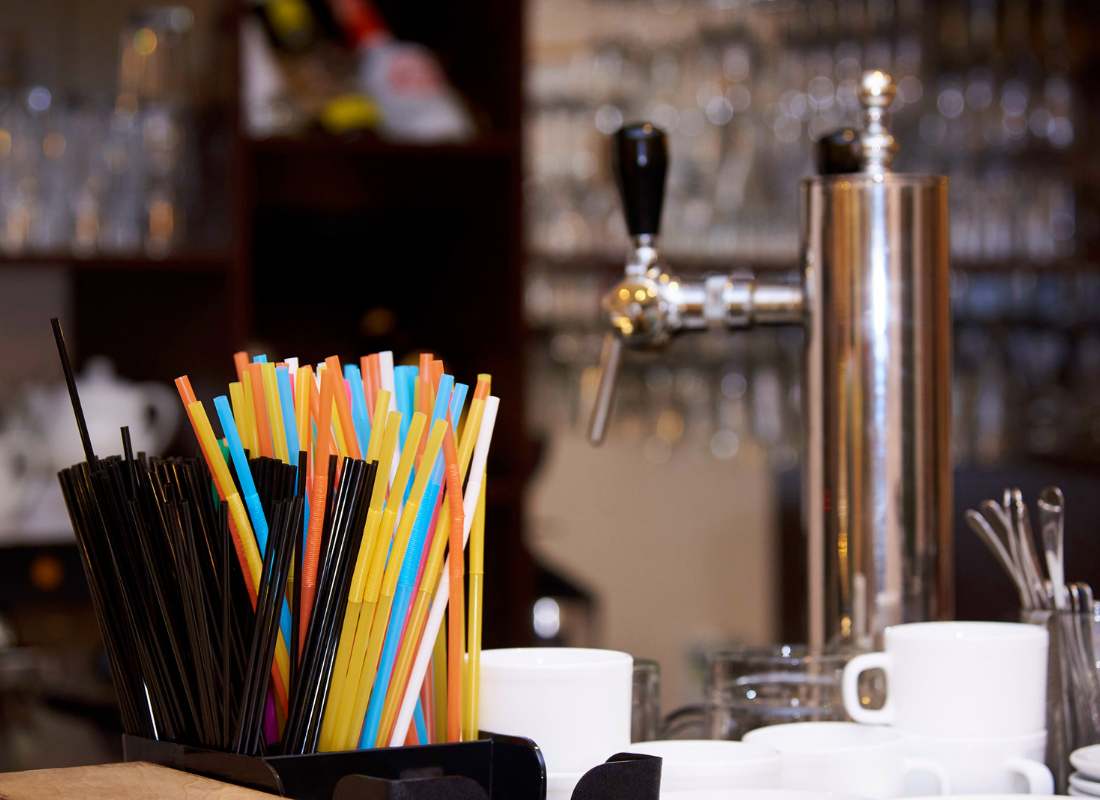
If your bar serves 300 drinks a night and automatically includes straws in even half of them, that’s over 50,000 straws a year. Even at minimal unit cost, you’re paying for items many guests never wanted, never used, or immediately threw away.
Now add:
- Staff time restocking them
- Storage space
- Ordering and inventory management
- Disposal and waste hauling
Suddenly, the “cheap” item has a real operational footprint.
More importantly, it signals something deeper: if no one is paying attention to straws, what else isn’t being noticed?

The Brand Signal You Didn’t Mean to Send
In today’s hospitality landscape, details are not neutral. Every small choice sends a message.
When a guest sees a plastic straw dropped into a cocktail that clearly doesn’t need one, they don’t think, “How generous.” They think one of three things:
- This place is outdated.
- This place doesn’t care.
- This place isn’t paying attention.
None of those impressions help your brand.
Sustainability is no longer a niche concern. Even guests who don’t actively campaign against plastic notice when it feels lazy or automatic. The irony is that many bars pride themselves on craftsmanship—hand-cut ice, premium spirits, house syrups—while simultaneously undermining that image with throwaway habits.
A meticulously built drink paired with an unnecessary plastic straw creates cognitive dissonance. It quietly cheapens the experience.
Staff Behavior Is Learned From What You Ignore
Bars train staff intensely on cocktails, upselling, and service standards. But what you don’t train—or correct—becomes policy by default.
When bartenders are never told to ask before giving a straw, they learn that waste is acceptable. When no one tracks consumables, staff assume they’re unlimited. When management dismisses concerns with “it’s just a straw,” it reinforces a culture where small costs don’t matter.
That mindset doesn’t stay small.
It spreads to:
- Over-pouring “just a little”
- Tossing fruit that could be repurposed
- Ignoring broken inventory systems
- Accepting shrinkage as inevitable
High-performing bars aren’t obsessed with straws. They’re obsessed with awareness. And awareness always starts with the smallest, most visible habits.
The Customer Will Decide for You Anyway
One of the biggest misconceptions is that removing automatic straws will upset guests. In practice, the opposite is true.
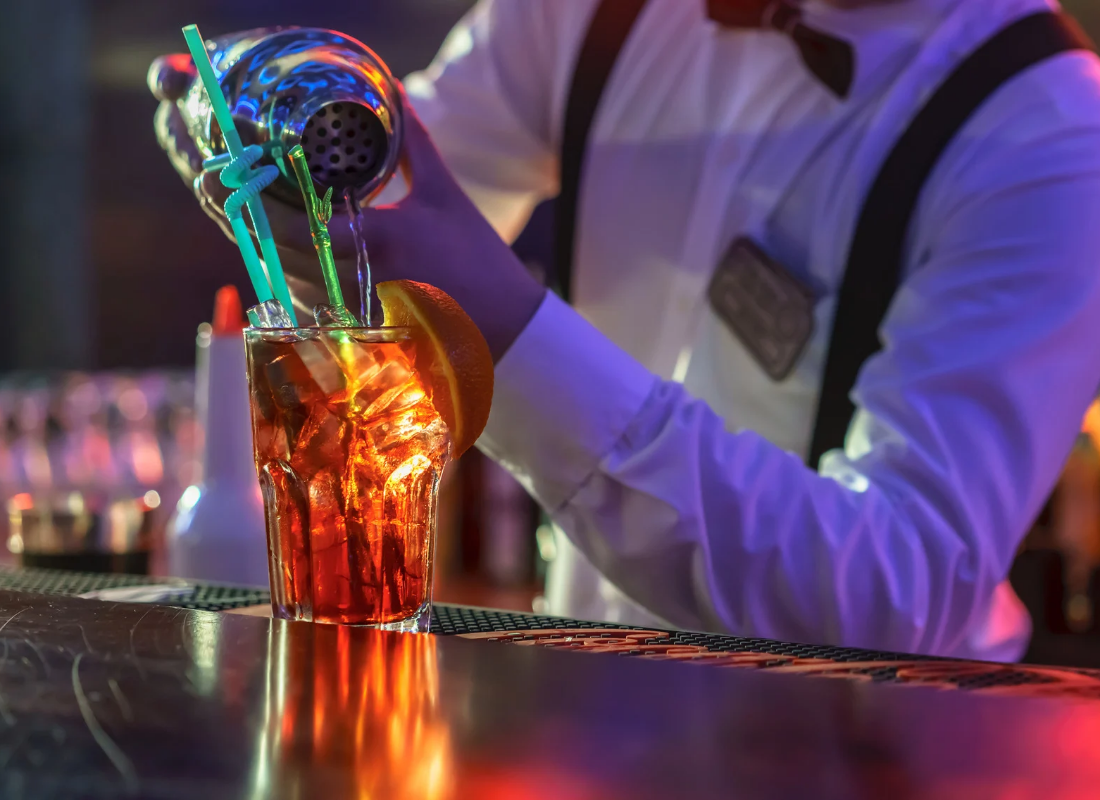
Most customers don’t want a straw unless they ask for one. Many actively prefer not to have one. When bars make straws opt-in instead of default, complaints are rare—and appreciation is common.
The key difference is intention.
A bar that says, “Straws are available on request,” signals thoughtfulness. A bar that silently hands them out signals autopilot. Guests are remarkably good at sensing which one they’re in.
And when customers feel like a place is intentional, they’re more forgiving, more loyal, and more likely to return.

What “It’s Just a Straw” Really Costs You
The true expense of that sentence isn’t financial—it’s strategic.
It costs you:
- Attention to detail, the foundation of premium hospitality
- Operational discipline, which separates profitable bars from struggling ones
- Brand credibility, especially with younger, more values-driven guests
- Cultural clarity, because staff mirror what leadership dismisses
A bar that treats straws as insignificant often treats other “small” things the same way. Over time, those small things define the business more than any big idea ever could.
The Fix Is Simple—but Not Accidental
This isn’t about banning straws or lecturing guests. It’s about intention.
The most effective bars do three things:
- Make straws opt-in, not automatic.
- Train staff on why that choice exists.
- View small consumables as signals, not expenses.
That’s it.
No grand sustainability campaign. No dramatic cost-cutting exercise. Just a quiet shift from autopilot to awareness.
Because when a bar starts paying attention to something as small as a straw, it usually means they’re paying attention to everything else too.
And in an industry where margins are thin and competition is brutal, that awareness is worth far more than whatever’s in the supply box.
So the next time someone says, “It’s just a straw,” take a closer look.
It might be the most expensive sentence in your bar.