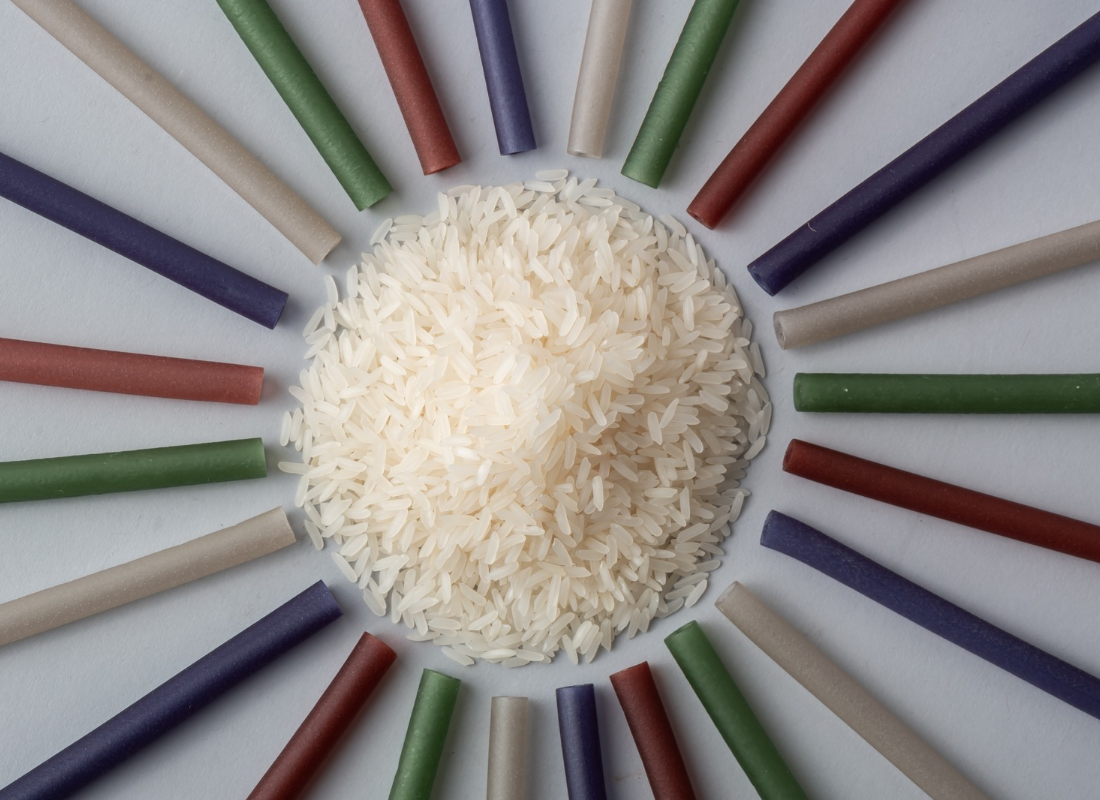
In recent years, hospitality operators around the world have been rethinking single-use plastics. From restaurants and bars to hotels and event planners, the drive toward sustainability has accelerated dramatically — driven by evolving consumer expectations, regulatory changes, and a genuine recognition of environmental responsibility. Among the most visible shifts in this space is the adoption of alternative straw materials: not just paper or biodegradable plastics, but a newer entrant that combines performance with ecological integrity — rice straws.
Rice straws, sometimes called rice-based straws or “rice husk” straws, are emerging as a viable, scalable alternative to plastic and even paper straws. Unlike many other options, rice straws are made from material that would otherwise be underutilized or discarded, such as broken grains of rice or byproducts from rice processing. This inherent attribute — using existing agricultural output instead of new virgin resources — is reshaping how the hospitality sector views sustainable disposables.
The Problem with Traditional Straws
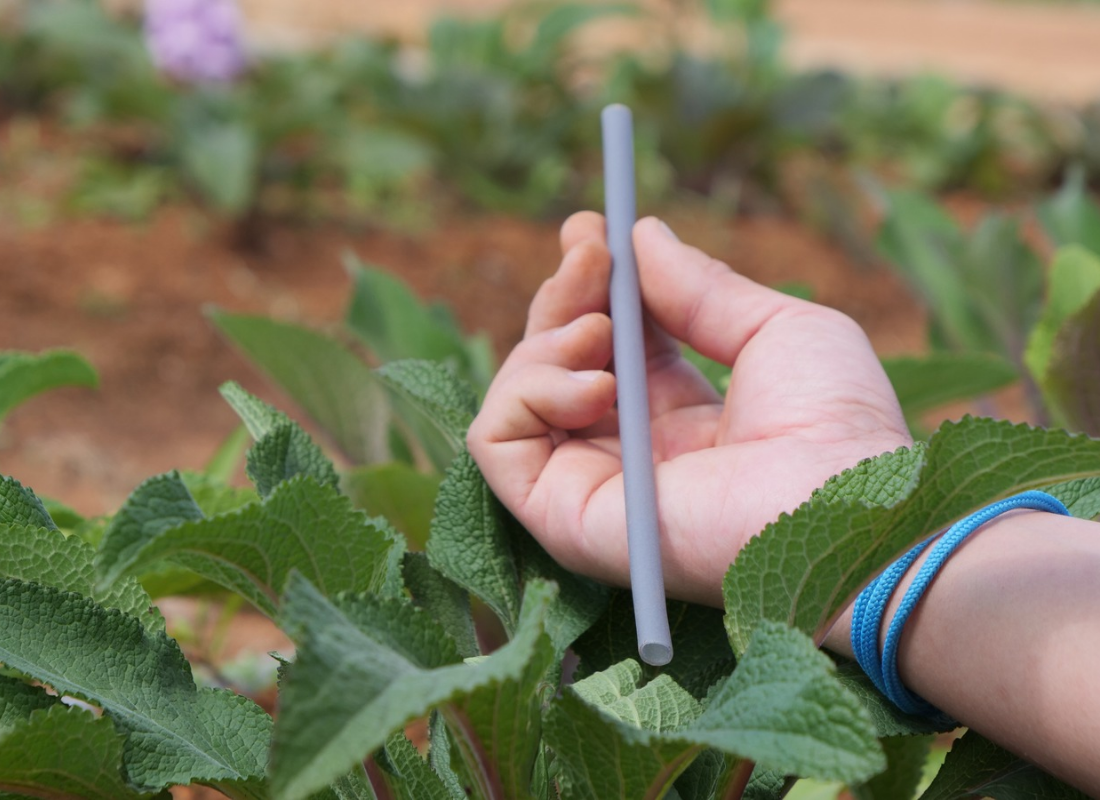
For decades, plastic straws were the default choice for beverage service. They were cheap, convenient, and lightweight. But these same attributes also made them environmental culprits. Widely reported statistics estimate that billions of plastic straws are used annually, many of which end up in oceans, rivers, or landfills where they can take centuries to degrade.
Governments and municipalities across the globe have responded with bans, taxes, or outright restrictions on single-use plastics. At the same time, consumers — especially younger generations — have made sustainability a central criterion in where they choose to spend their money. As a result, hospitality operators have been compelled to explore alternatives that meet both environmental and operational needs.

Rice Straws: An Overview
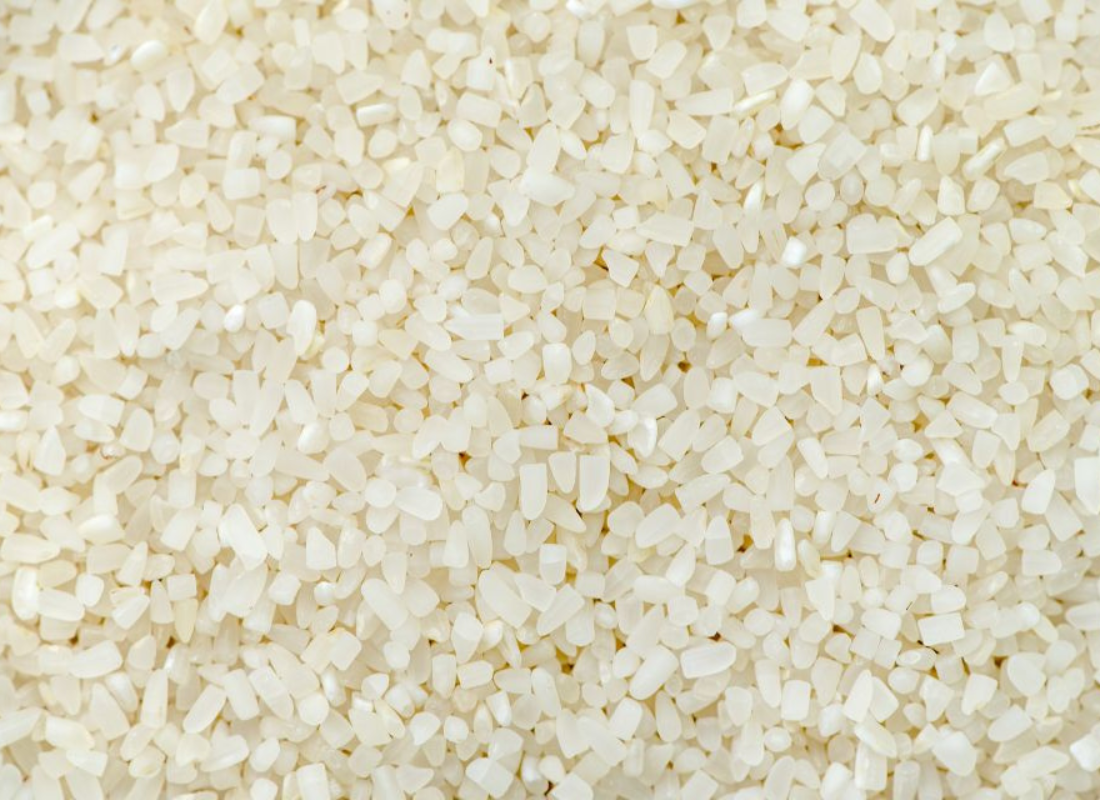
Rice straws are typically made by compressing rice flour (from broken rice grains) and sometimes blending it with natural binders to achieve structural integrity. The rice used in these straws is not diverted from food supply, but rather drawn from byproducts of existing rice production — fractions of grain that are too small to be sold for human consumption or otherwise underutilized.
Because rice is one of the most widely cultivated crops in the world, with established supply chains and processing infrastructure, rice straws offer logistic and environmental advantages:
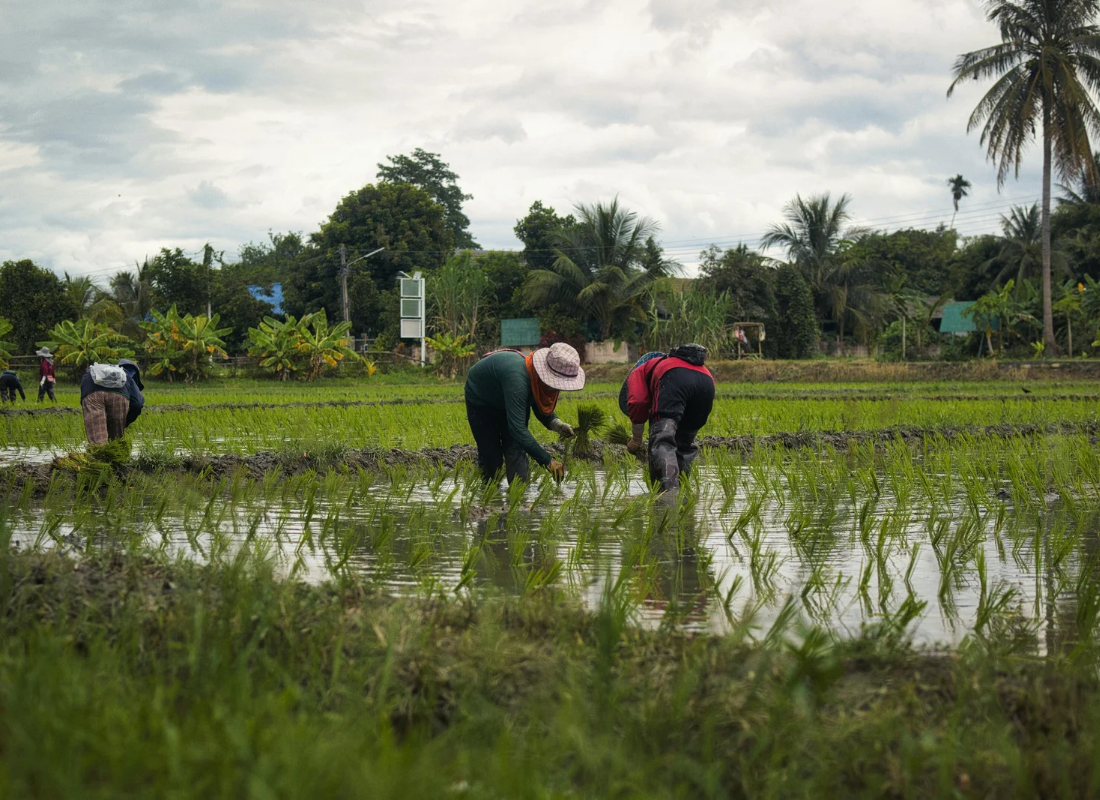
- No New Agricultural Land: The material comes from rice that is already being grown for food. There is no need to clear additional land — and importantly, no extra land use required exclusively for straw production.
- No Additional Water or Energy for Cultivation: Since the rice would have been cultivated anyway for food purposes, the water and energy inputs associated with farming are considered part of the primary crop lifecycle, not the straw’s production footprint.
- Reduces Waste: Broken rice grains that might otherwise be used for lower-value purposes (animal feed, industrial uses, or discarded) are instead upcycled into a higher-value, environmentally beneficial product.
 Why Hospitality Operators Prefer Rice Straws
1. Genuine Sustainability Credentials
Rice straws are not merely biodegradable — they are upcycled from agricultural outputs that were going unused. This means they do not compete with food crops for land, water, or fertilization resources. Unlike paper straws, which require trees to be harvested and processed, or PLA (polylactic acid) plastics, which may rely on corn or sugarcane, rice straws leverage existing agricultural material without adding production burdens.
This lifecycle advantage is attractive to hospitality brands that want to substantiate their sustainability claims with credible environmental performance, rather than superficial symbolism.
2. Positive Consumer Perception
Today’s diners and guests are more informed and more skeptical of “greenwashing” than ever before. They want to see tangible actions and products that align with environmental values — and that includes the everyday items they encounter in hospitality settings.
Rice straws, especially when communicated correctly on menus or through staff training, can signal to guests that a brand is serious about reducing environmental impact beyond token gestures.

3. Functional Performance
One common criticism of early plastic alternatives (especially paper straws) has been performance: sogginess, loss of shape, or an undesirable drinking experience. Rice straws tend to maintain their structure in cold and room-temperature beverages for the duration of use, offering an experience closer to traditional plastic straws without the associated environmental cost.
For operators, this means fewer guest complaints and less waste due to straws failing mid-use.

4. Regulatory Alignment
As jurisdictions tighten restrictions on single-use plastics, many hospitality operators are seeking solutions that are compliant with existing and anticipated regulations. Rice straws — being compostable, non-toxic, and derived from plant material — help businesses meet policy requirements without sacrificing operational ease.
In some areas, businesses may even qualify for sustainability certifications or incentives by adopting products like rice straws that demonstrably reduce reliance on fossil-fuel–derived plastics.
Environmental Impact in Context
To fully appreciate the sustainability value of rice straws, it’s important to compare them to other alternatives:
- Plastic Straws: Derived from petrochemicals, non-biodegradable, and often ending up in ecosystems.
- Paper Straws: Renewable, but require dedicated forestry resources and energy for pulping, bleaching, and manufacturing. They can also degrade quickly in liquids.
- PLA/Compostable Plastics: Made from feedstock like corn or sugarcane, but often need industrial composting facilities to break down properly. They may still compete with food crops for land and water.
- Rice Straws: Use rice that has already been grown for food, adding value to byproducts without extra agricultural inputs.
This lifecycle perspective positions rice straws as a circular, low-impact solution. They embody principles of waste minimization and resource efficiency — core tenets of sustainable operations.

Conclusion: A Strategic Sustainability Choice
Hospitality operators are increasingly turning to rice straws not because they are a fleeting trend, but because they represent a strategic alignment of environmental benefits, regulatory compliance, and guest expectations. By upcycling broken rice grains — material that would otherwise be underutilized or discarded — rice straws offer a genuinely sustainable alternative to conventional plastics without demanding new agricultural resources.
In a world where sustainability is no longer optional, but a core part of brand identity and operational resilience, rice straws provide a practical, credible, and impactful way for hospitality businesses to reduce their ecological footprint while maintaining quality guest experiences.