Why the Best Sustainable Choices Don’t Require Explanation—and What That Means for Product Selection
In hospitality, the most powerful decisions are rarely the loudest ones.
Why many sustainability initiative in the hospitality fail
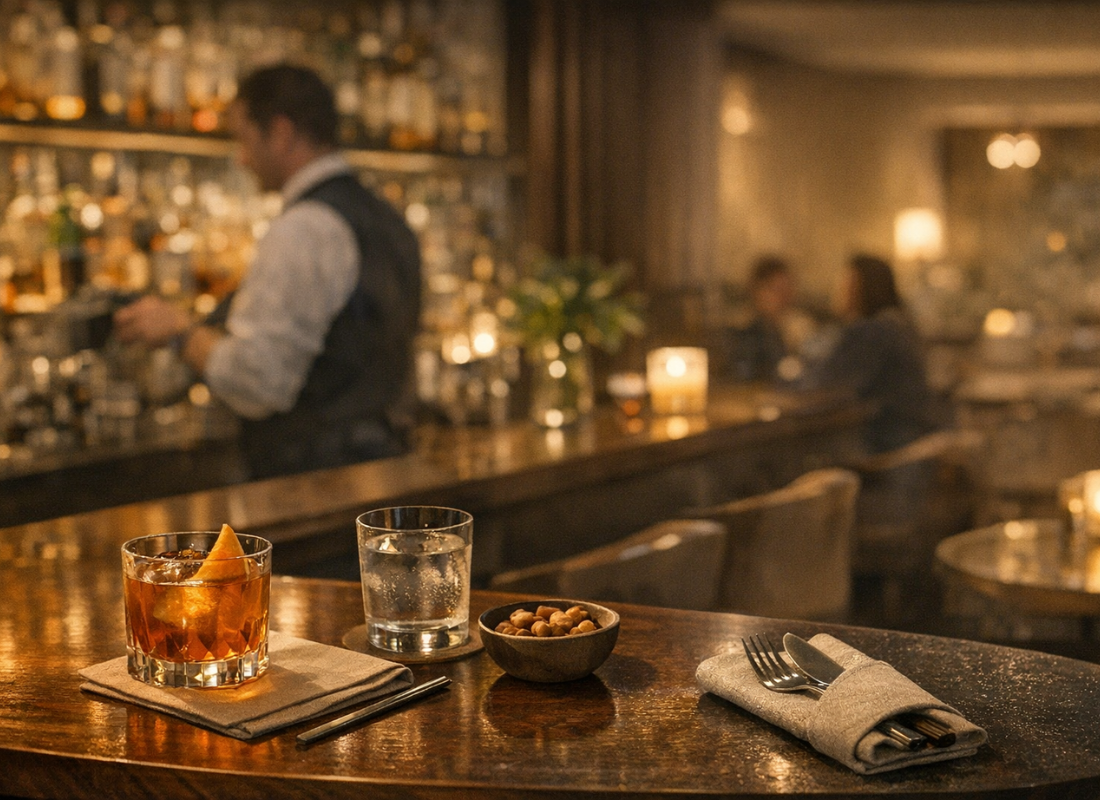
Guests do not walk into a hotel bar hoping to be educated. They walk in expecting comfort, quality, and coherence. They want a drink that looks right, feels right, and tastes right. They want a space that feels considered, intentional, and effortless.
This is where many sustainability initiatives quietly fail.
Not because sustainability is unimportant—but because too often, it is made visible in the wrong way.
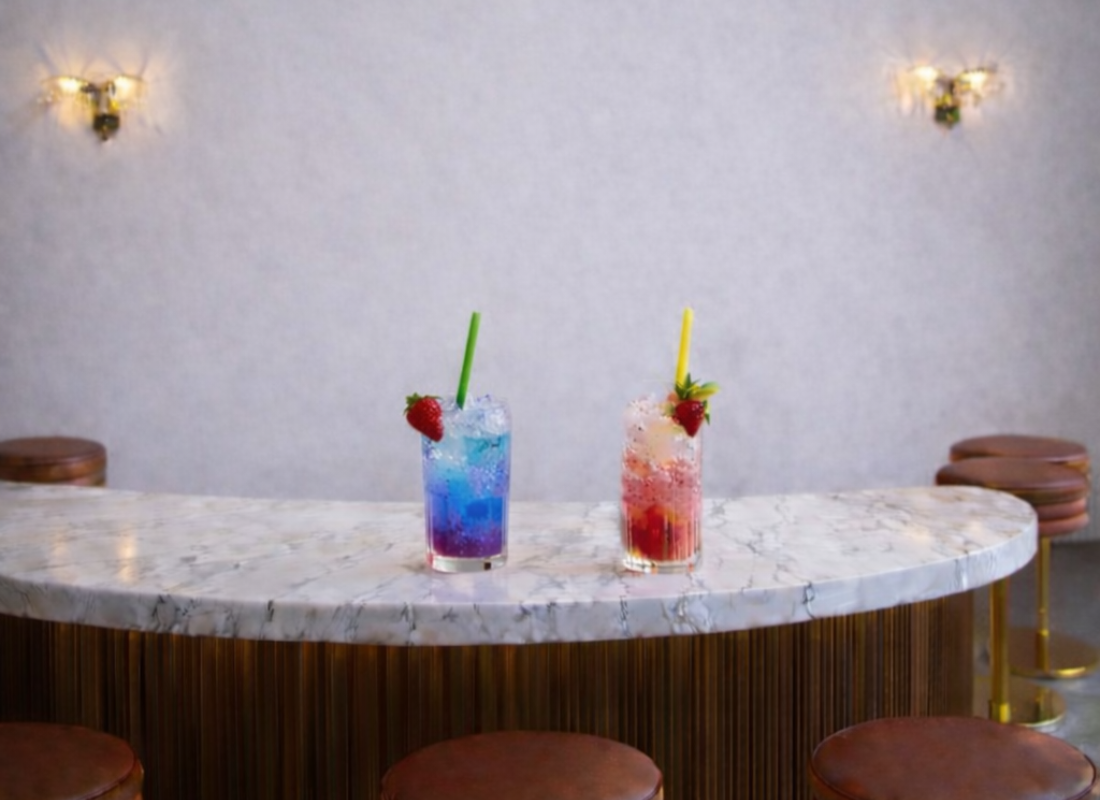
Paper straws that collapse mid-drink. Compostable cutlery that feels flimsy. Signage that apologizes for compromises before the guest has even noticed them. These moments interrupt the experience. They force the guest to think about the decision rather than simply enjoy the result.
The highest form of sustainability in hospitality does not announce itself.
It blends in.
Sustainability as a Guest Experience, Not a Statement
In premium hospitality, excellence is defined by absence:
- The absence of friction.
- The absence of explanation.
- The absence of disappointment.
Guests rarely compliment what works as expected. They only notice what doesn’t.
A sustainable product that requires justification—“We’re doing our best,” “Please excuse the quality,” “This is better for the planet”—has already failed at the experiential level. It shifts responsibility onto the guest and reframes sustainability as a sacrifice rather than a standard.
Good sustainability is invisible because it performs exactly as a conventional product would—sometimes better—without asking for applause.
- When a guest picks up a straw and it feels solid.
- When they take a sip and notice no aftertaste.
- When nothing distracts them from the drink, the conversation, or the moment.
That is sustainability done correctly.
 Why Visibility Can Undermine Brand Positioning
Hospitality brands spend years crafting a specific identity—luxury, relaxed premium, vibrant, minimalist, refined. Every material choice either reinforces that positioning or erodes it.
Overt sustainability signals can unintentionally send the wrong message.
- A plastic-free initiative that looks cheap does not read as “eco-conscious.”
It reads as “cost-cutting.” - A biodegradable product that performs poorly does not read as “innovative.”
It reads as “compromised.”
For hotels and resorts especially, where guests pay for consistency and comfort, these signals matter. Sustainability should strengthen brand credibility, not compete with it.
The most sophisticated operators understand that values are best communicated through execution, not explanation.

The Operational Case for Invisible Sustainability
Beyond guest perception, invisible sustainability also aligns with operational discipline.
Products that require explanation tend to create friction internally as well:
- Staff field questions instead of focusing on service
- Inconsistencies appear across outlets
- Training becomes more complex than necessary
When a product behaves exactly as expected, it disappears from operational concern. It becomes a non-issue. And in hospitality, non-issues are a gift.
Invisible sustainability supports:
- Faster service
- Fewer guest complaints
- Reduced waste caused by product failure
- Stronger staff confidence in what they are serving
It also removes the need for “policy policing.” When the sustainable option is simply the best option, compliance becomes automatic.

What This Means for Product Selection
For purchasing managers and F&B leaders, this philosophy requires a shift in how sustainability is evaluated.
The question is not: “Is this product sustainable?”
The real questions are:
- Does this product perform at least as well as the conventional alternative?
- Does it align visually and tactically with our brand?
- Would a guest notice if we didn’t tell them?
- Would staff choose this even if sustainability were not part of the conversation?
If the answer to any of these is no, the product may be sustainable on paper—but not in practice.
This is particularly relevant for high-volume, high-visibility items: straws, napkins, stirrers, takeaway packaging. These items touch the guest directly. They are felt, used, and evaluated subconsciously.
Invisible sustainability starts here.
Sustainability as a Quiet Competitive Advantage
When done well, sustainability becomes a silent differentiator.
- Guests may not mention it in reviews, but they feel it.
- Staff may not think about it daily, but they benefit from it.
- Operations may not celebrate it, but they run smoother because of it.
And over time, these small, invisible decisions compound into something very visible: trust.
- Trust that the brand pays attention.
- Trust that details matter.
- Trust that nothing has been overlooked.
In a market where many hospitality brands look and sound the same, this kind of trust is invaluable.

The Takeaway
The future of sustainability in hospitality is not louder. It is quieter.
- It lives in products that do not apologize.
- In materials that do not interrupt.
- In decisions that do not need signage or justification.
Good sustainability does not ask to be noticed.
It earns the right to disappear.
And in an industry built on experience, that may be the most sustainable choice of all.