
In hospitality, time is currency. Every extra second your team spends fixing a preventable problem is a second they’re not serving guests, upselling, or elevating the experience. And while operators often look at training, staffing, or menu design when diagnosing service bottlenecks, they tend to overlook one of the smallest—and surprisingly most disruptive—variables behind the bar: paper straws.
Paper straws were introduced with good intentions: sustainability, responsibility, optics. But when it comes to operational efficiency, they create more friction than most operators realize. From soggy performance to guest complaints to constant replacements, paper straws silently steal time from your bartenders’ workflow every single shift.
This isn’t just about preference—it’s about productivity, speed, and labor efficiency. Here’s a breakdown of why paper straws are quietly wasting your bartenders’ time and what it means for your bottom line.
1. They Sog Out—And Soggy Straws Lead to Rework
The number one operational issue with paper straws is simple:
They don’t last. Within minutes—especially in high-acid, high-ice, or carbonated drinks—paper straws begin to soften. Guests give a look, call the bartender over, and ask for another one. Sometimes two. Sometimes three. Even if the bartender replaces it quickly, the interruption breaks their flow. One soggy straw can easily turn into:
- A walk away from the bar
- A rummage through the straw caddy
- An apology
- A restart of the bartender’s rhythm
- Multiply that by dozens of guests per night, and the time adds up shockingly fast.
- In high-volume venues, bartenders don’t have seconds to lose. Yet paper straws create a constant loop of micro-disruptions that chip away at efficiency and service speed.
2. Guests Complain, Which Means Bartenders Become Problem-Solvers Instead of Drink-Makers
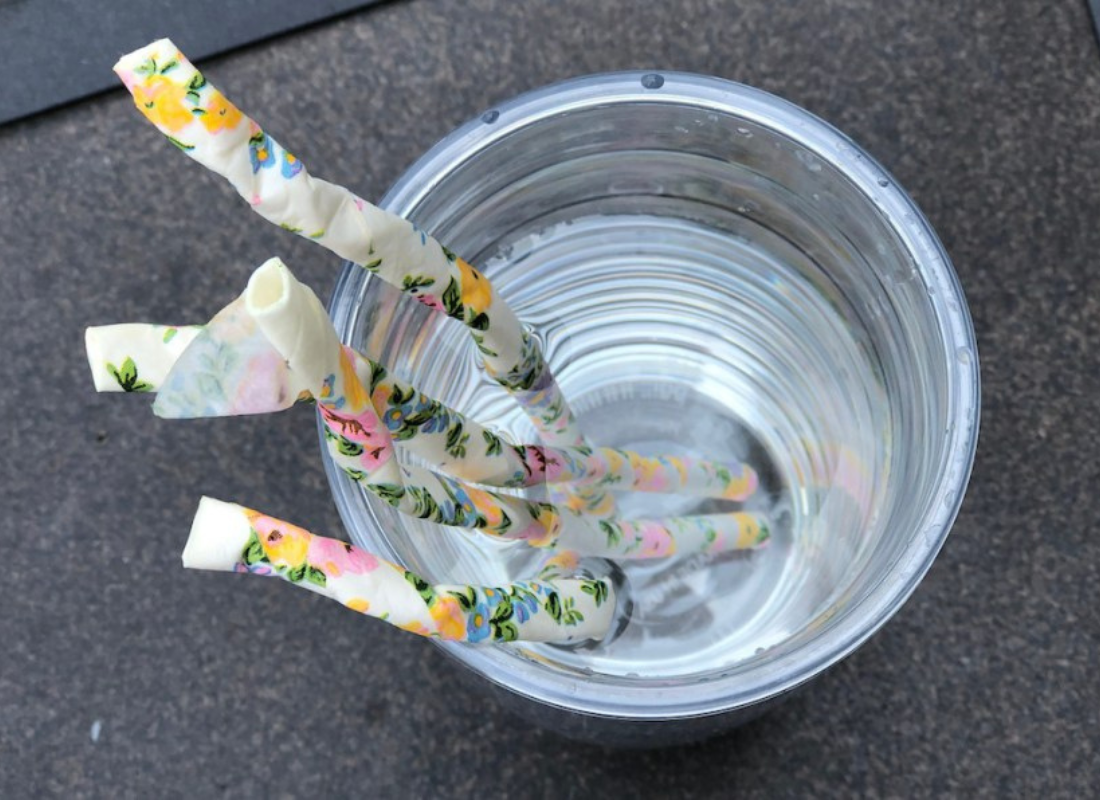
Paper straws cause guest friction—taste, texture, sogginess, flaking paper, collapsing mid-cocktail—and any friction leads to a complaint, even if it’s a small one.
Complaints equal time, because every interruption forces bartenders to stop what they’re doing to listen, apologize, replace the item, reassure the guest, and then reset their workflow before they can continue serving. All for something as trivial as a straw. And because straw-related issues feel “avoidable,” guests often express frustration more loudly, more often, and with less patience. The irony? Bartenders end up taking responsibility for a problem they didn’t create. Instead of focusing on crafting cocktails or managing volume, they’re stuck smoothing over unnecessary guest dissatisfaction.

3. They Affect Drink Presentation—Which Adds Extra Time Fixing Aesthetic Issues
Bartenders take pride in presentation—most put as much effort into the final garnish as they do into the drink itself. But paper straws absorb moisture, discolor, wilt, or develop a fuzzy edge that looks cheap and unprofessional.
This forces bartenders to:
- Throw out straws that look damaged
- Replace straws that ruin the photo moment
- Redo garnishes when the straw catches or breaks
- Answer guest questions about “why the straw looks like that”
In today’s Instagram-first hospitality landscape, presentation matters more than ever. Paper straws make it harder—not easier—for bartenders to deliver drinks that match the brand’s elevated expectations.

4. They Increase Waste—Ironically Making Service Less Eco-Efficient
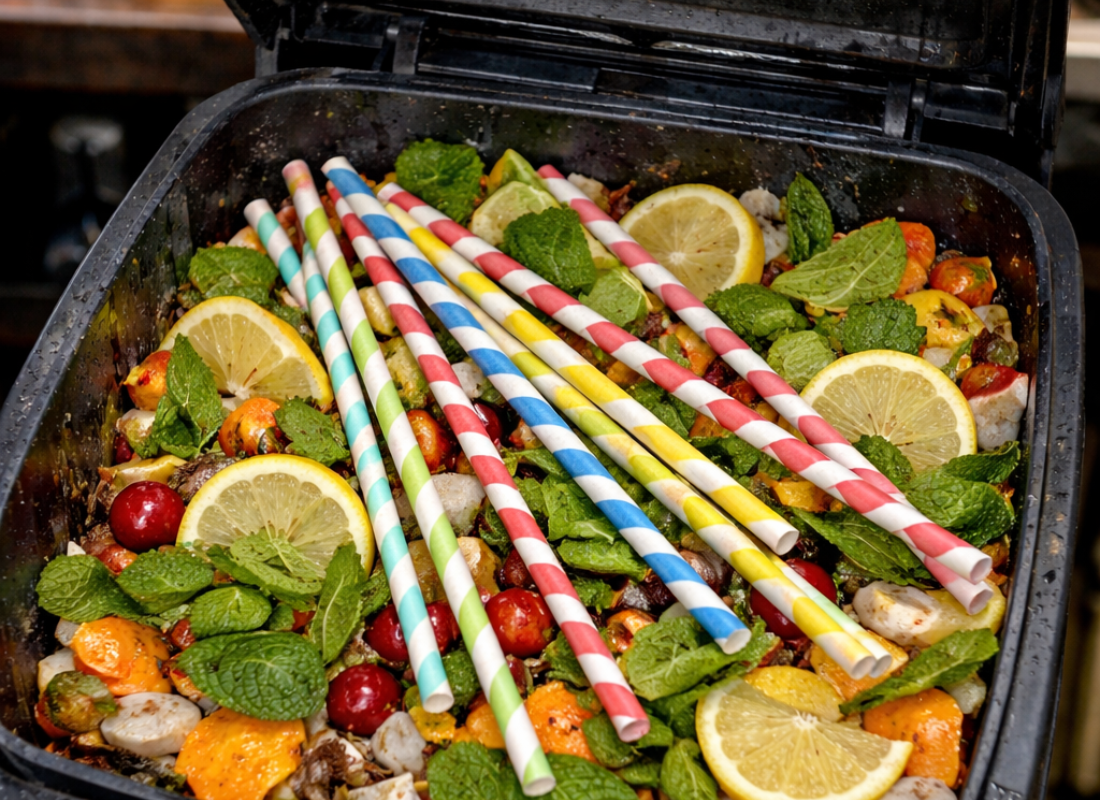
Paper straws claim to be “eco-friendly,” but in practice, guests end up using more of them, bartenders have to replace more of them, staff throw away more of them, and managers ultimately have to reorder more of them, creating a constant cycle of waste and inefficiency.
When a single guest uses 2–3 paper straws per drink, the waste—and cost—skyrockets. Bartenders must constantly restock stations during service, often mid-shift when they absolutely do not have time.
This creates:
- More trips to storage
- More interruptions
- More clutter
- More frustration
Your team wants to be sustainable and efficient. Paper straws make both goals harder to achieve.
5. They Slow Down Ice-Heavy, Frozen, and Craft Drinks—The Ones That Demand the Most Time Already
Frozen cocktails are already labor-intensive. Craft cocktails are already high-touch. Espresso martinis are already time-consuming. Paper straws make these drinks even slower because:
- Soggy straws can’t pierce thick drinks
- Staff need to replace straws immediately after serving
- Guests ask for alternatives mid-drink
- Bartenders must handle follow-up issues
By choosing a straw that physically struggles to function in the drinks guests love most, operators unintentionally stack inefficiencies on top of their most demanding menu items.
Your bartenders feel it first.
6. They Create a Hidden Labor Cost Operators Rarely Calculate
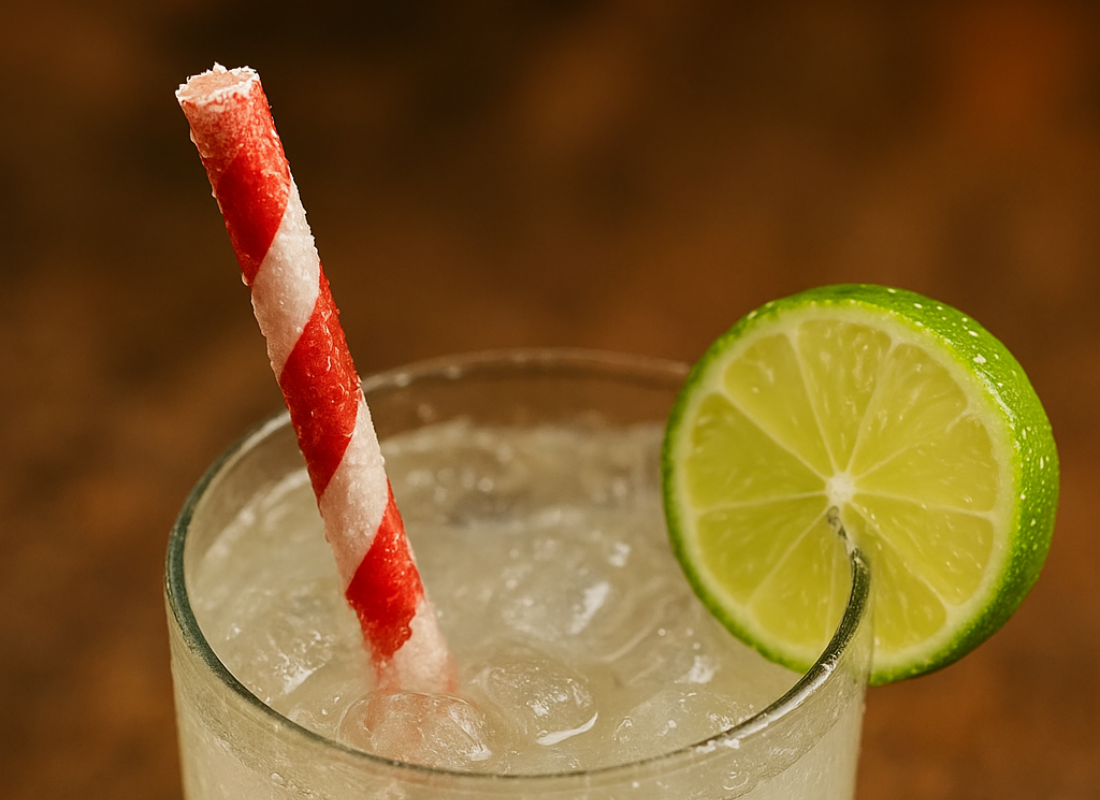
Here’s the part most operators miss: Straw problems are small, but they’re constant—and constant problems are expensive.
Let’s say a bartender loses 10 seconds each time they replace a soggy paper straw. In a busy shift, that could easily happen 30–40 times. That’s 5–7 minutes of lost labor per bartender per shift—on straws alone. Now multiply that by:
- 4–10 bartenders
- 300+ operational days per year
- Thousands of replacement straws
- Hundreds of micro-interruptions
- Suddenly you’re looking at dozens of labor hours spent handling issues that shouldn’t exist in the first place.
- Paper straws don’t just inconvenience the guest—they slow down your entire operation.

7. Better Alternatives Exist—Ones That Eliminate These Pain Points Completely
Rice-based, plant-based, or durable eco-alternatives keep their structure, don’t alter taste, stay firm, and don’t create guest complaints. More importantly, they:
- Reduce bartender interruptions
- Improve station flow
- Keep presentation sharp
- Eliminate rework
- Reduce waste
- Keep guests happy without any extra effort
When your straws work the way they’re supposed to, your bartenders can finally focus on what matters: crafting drinks, delivering great service, and keeping the bar running at full speed.

Conclusion: Paper Straws Are a Small Item With a Big Operational Cost
Paper straws were meant to be a responsible switch. But in practice, they drain time, create friction, slow your staff, frustrate your bartenders, and disappoint your guests.
If you’re looking to improve speed, efficiency, staff morale, guest satisfaction, or sustainability, the solution doesn’t always require major renovations or big investments.
Sometimes the greatest upgrades start with something as small as the straw.