
In hospitality, the smallest details often leave the strongest impressions. From the weight of the cutlery to the clarity of the glassware, every element contributes to how guests perceive quality. Today, sustainability has become one of those defining elements. Guests are no longer judging venues solely on taste, comfort, or design. They are also paying attention to environmental responsibility. In this changing landscape, even something as simple as a straw carries significance. Rice straws are emerging as a refined, high-performing solution that allows hospitality venues to meet sustainability expectations without compromising the guest experience.
The Shift Away from Plastic
Single-use plastics have become a focal point in global sustainability conversations. Plastic straws, once considered harmless and convenient, are now widely recognized as contributors to pollution and marine waste. Governments across Europe, North America, and parts of Asia-Pacific have implemented bans or restrictions on plastic straws. Compliance is no longer optional; it is operational necessity.
At the same time, consumer awareness has grown rapidly. Travelers and diners increasingly support businesses that demonstrate visible environmental action. Sustainability has moved from being a marketing advantage to a baseline expectation. Hospitality venues that ignore this shift risk appearing outdated or indifferent to modern values.

The Limitations of Common Alternatives
When plastic straws began disappearing, many venues quickly adopted paper alternatives. While paper straws offer an eco-friendly appearance, they often disappoint in performance. They become soggy, soften mid-drink, and sometimes alter flavor. Guests frequently request replacements, creating frustration and additional waste.
Other options have their own drawbacks. Reusable metal or glass straws require strict sanitation protocols and increase labor demands. PLA bioplastic straws depend on industrial composting facilities that are not always accessible, leading to disposal confusion. Pasta and bamboo straws may lack durability or consistency. In hospitality, where smooth service is essential, unreliable products can disrupt the overall experience.

What Makes Rice Straws Different
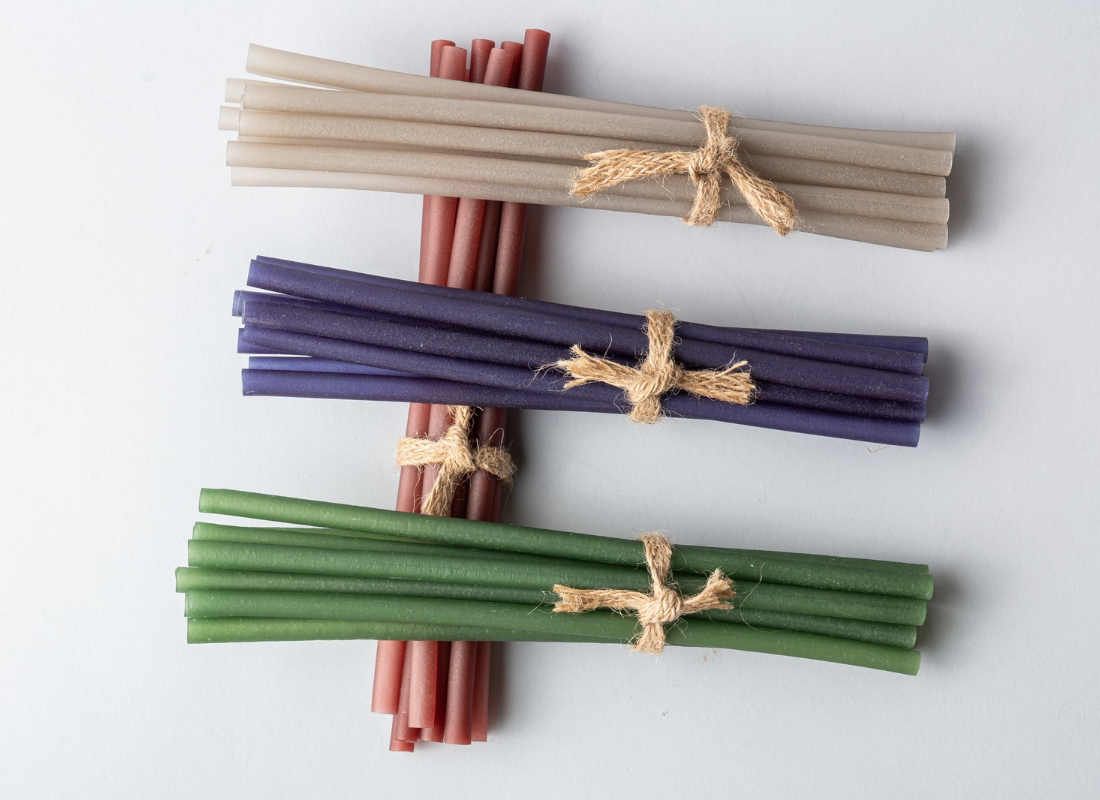
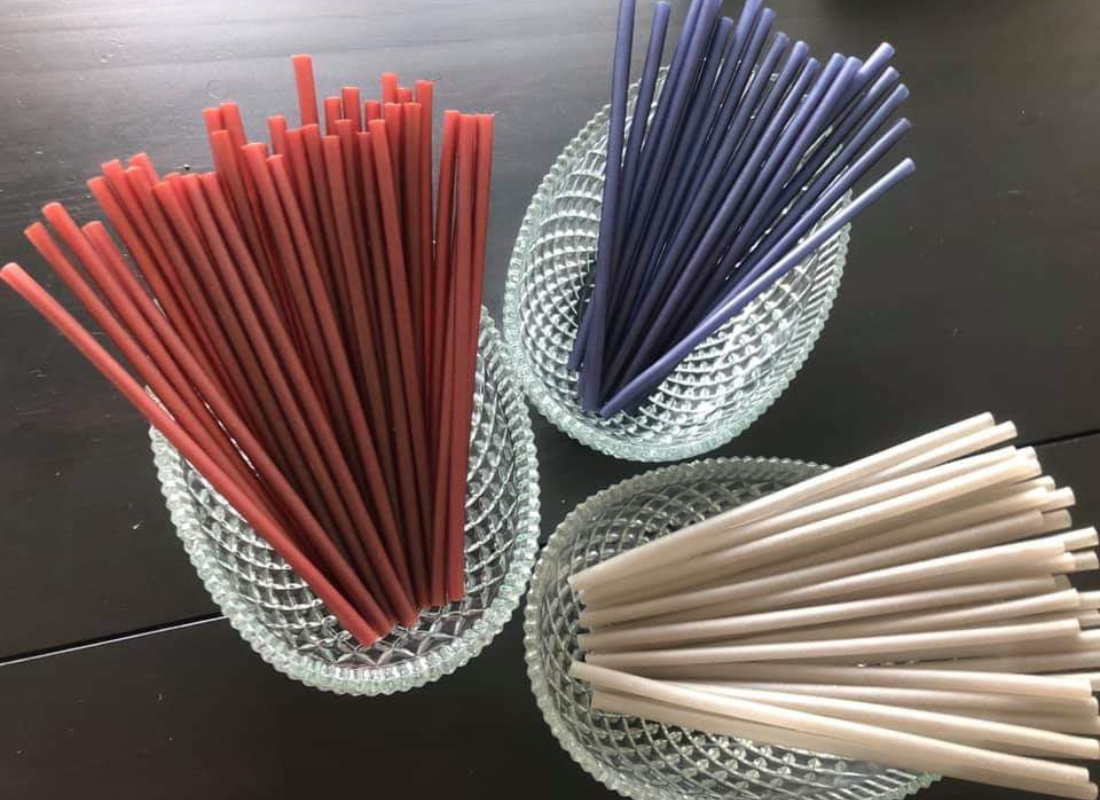
Rice straws are typically made from rice flour and tapioca starch, both renewable plant-based materials. Through extrusion and controlled drying processes, they achieve a smooth texture and reliable structure. Unlike paper, rice straws maintain firmness in cold beverages for extended periods. They do not disintegrate quickly, nor do they impart unwanted flavors.
Because they are biodegradable and compostable, rice straws break down naturally without leaving behind microplastics. In many settings, they can be disposed of alongside organic waste, supporting circular waste systems. This combination of durability and environmental compatibility sets them apart from most other alternatives.
Performance in Premium Settings
In high-end hospitality environments, performance is non-negotiable. A carefully crafted cocktail should not be paired with a straw that collapses halfway through service. A poolside smoothie at a resort should remain enjoyable from first sip to last. Rice straws provide the structural integrity required for cold beverages, maintaining their form long enough to preserve the intended guest experience.
For bartenders and servers, reliability reduces interruptions. Staff can focus on service rather than replacing softened straws. Consistency in size and texture also ensures compatibility with various glassware and beverage types, supporting both aesthetics and functionality.

Enhancing Brand Perception
Sustainability communicates intention. When guests notice a compostable rice straw that performs well, it reinforces the perception that the venue has thoughtfully selected its materials. Small improvements can generate meaningful impressions. In an era where online reviews and social media influence consumer decisions, these details matter.
Guests who expect the inconvenience of paper alternatives may feel pleasantly surprised by a sturdy, eco-friendly option. That positive surprise contributes to overall satisfaction. Over time, such consistent signals strengthen brand identity as responsible, modern, and quality-driven.

Operational Integration and Efficiency
Adopting rice straws does not require dramatic operational changes. They function similarly to traditional disposable straws, eliminating the need for new sanitation systems. For venues that operate composting programs, disposal can often align with existing organic waste streams.
This simplicity supports scalability. Whether serving dozens of drinks in a boutique café or thousands during a large event, rice straws integrate seamlessly into service routines. Their durability reduces the need for replacements, minimizing interruptions during peak hours.
Considering the Cost Perspective
Rice straws generally cost more per unit than conventional plastic. However, evaluating cost purely at the item level overlooks broader financial implications. Sustainable materials reduce regulatory risk and help future-proof operations against expanding plastic bans. They may also decrease negative guest feedback associated with low-performing alternatives.
Furthermore, sustainability contributes to brand value. Many consumers are willing to support businesses that align with their environmental priorities. Over time, enhanced reputation and customer loyalty can offset initial material investments. Viewed strategically, rice straws represent not just an expense, but an investment in positioning.

Communication as Part of the Experience
The transition to rice straws becomes even more impactful when communicated effectively. Menus, table signage, or brief staff explanations can inform guests that the venue has chosen compostable materials as part of a larger sustainability effort. Transparency builds trust.
When guests understand the reasoning behind operational choices, they often feel included in the commitment. This shared sense of responsibility strengthens the connection between brand and customer, turning a simple straw into part of a broader narrative.

Redefining Five-Star Hospitality
The concept of five-star hospitality has evolved. Luxury is no longer defined solely by aesthetics and comfort; responsibility now plays a central role. Guests expect businesses to balance quality with environmental awareness. The venues that succeed are those that integrate sustainability without diminishing refinement.
Rice straws exemplify this balance. They maintain durability, preserve presentation, and align with eco-conscious values. While small in size, their impact is meaningful when multiplied across daily service. Each drink served with a compostable alternative represents a step away from persistent plastic waste.
In the competitive world of hospitality, differentiation often lies in details. Rice straws demonstrate that sustainability and sophistication can coexist seamlessly. By embracing thoughtful solutions that meet both operational and environmental standards, hospitality venues can redefine excellence for the modern era—proving that even the smallest choices contribute to a truly five-star experience.