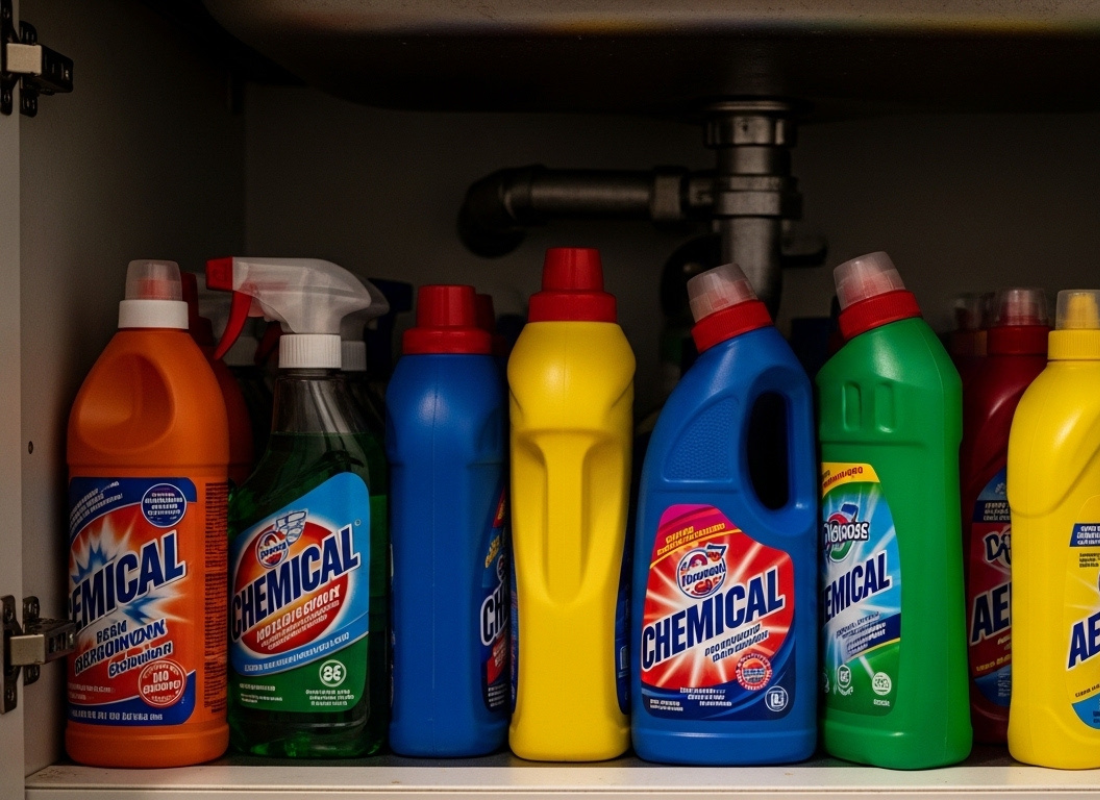
Open the cabinet under any kitchen sink in the world, and you will likely find the same thing: a row of brightly colored plastic bottles filled with chemical-laden liquids promising to kill 99.9% of bacteria, cut through grease, and leave surfaces sparkling. We buy them, we use them, we throw them away — and then we buy them again.
It is a cycle so deeply embedded in modern domestic life that most of us never stop to question it. But we should. Because those bottles, and what’s inside them, are costing the planet far more than the price tag suggests.
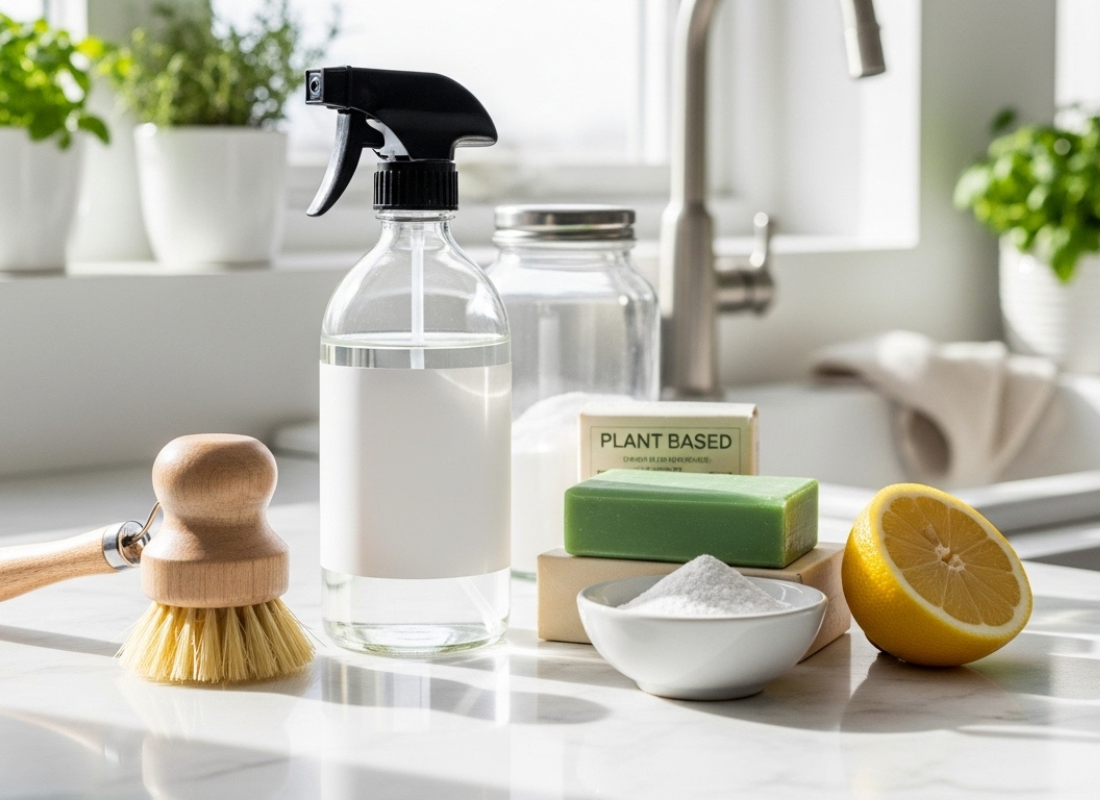
The good news? A quiet revolution is underway in the world of cleaning. Plant-based formulas, refillable systems, zero-waste packaging, and ancient natural ingredients are challenging the dominance of conventional cleaning products — and proving that a spotless home doesn’t have to come at the expense of a healthy planet.
The Hidden Cost of Conventional Cleaning Products
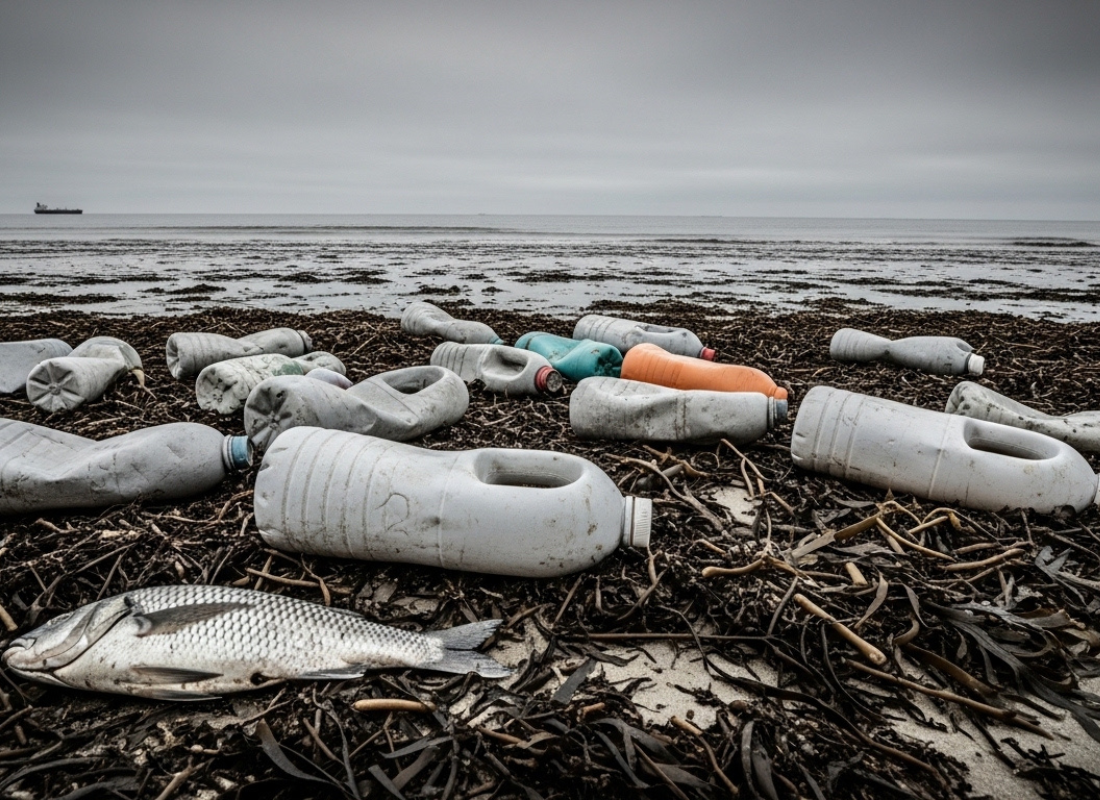
Every year, billions of plastic cleaning product bottles are produced worldwide. The vast majority end up in landfills or, worse, in our oceans. In fact, cleaning product containers are among the most common types of plastic waste found on beaches and in marine environments — where they break down into microplastics that enter the food chain and harm wildlife, including the sea turtles we care so deeply about.
But the problem goes beyond packaging. Many conventional cleaning products contain chemicals — surfactants, phosphates, synthetic fragrances, and preservatives — that are harmful to aquatic ecosystems. When these substances wash down our drains, they enter waterways and disrupt the delicate balance of marine and freshwater environments, contributing to algae blooms, oxygen depletion, and the death of aquatic life.
The indoor air quality impact is equally concerning. Volatile organic compounds (VOCs) released by many conventional cleaners contribute to indoor air pollution, which the EPA estimates can be two to five times higher than outdoor pollution levels. For families with young children, asthma sufferers, and pets, this is a serious health issue hiding in plain sight.
Plant-Based Cleaning: Nature’s Chemistry at Work
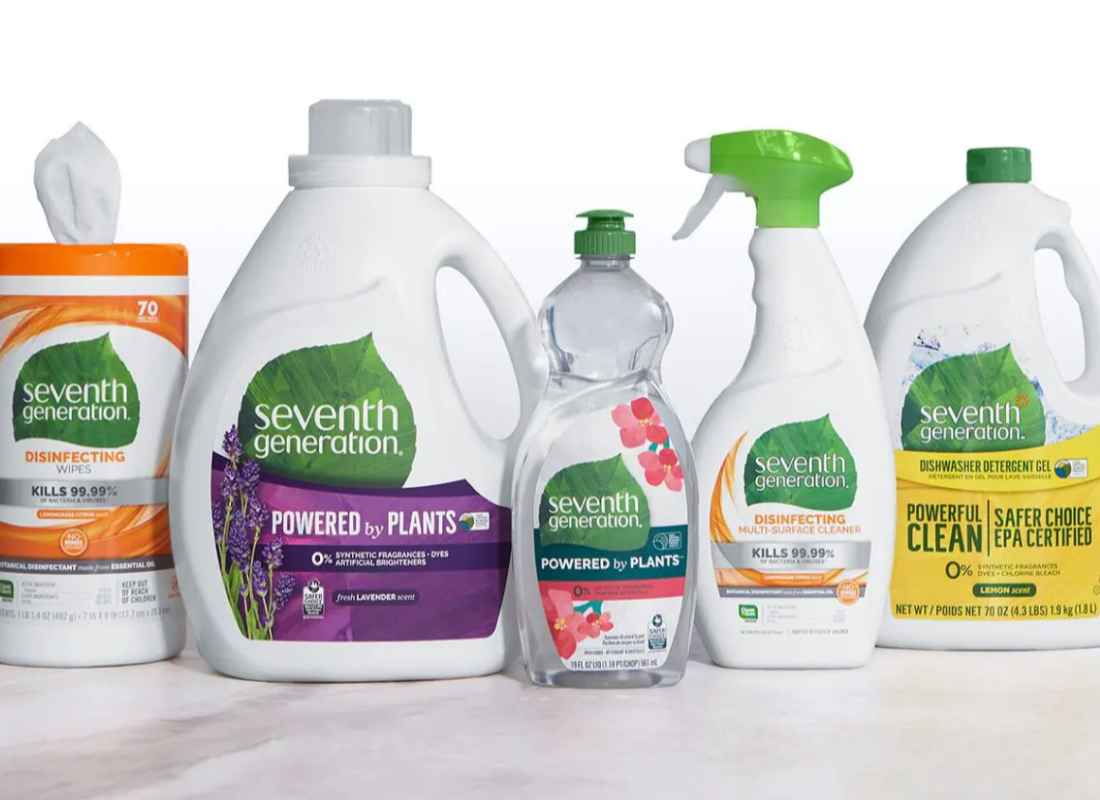
One of the most exciting innovations in eco-friendly cleaning is the rise of plant-based formulas — products that harness the natural cleaning power of botanical ingredients rather than relying on synthetic petrochemicals.
Ingredients like coconut-derived surfactants, citrus extracts, vinegar, essential oils, and enzymes from fermented plants are proving to be just as effective as their chemical counterparts — often more so — while being biodegradable, non-toxic, and safe for aquatic ecosystems.
Brands like Seventh Generation, Branch Basics, and Ecover have pioneered this space, but the movement has now exploded into mainstream retail. Even major supermarkets are stocking plant-based alternatives, a sign that consumer demand is reshaping the industry from the bottom up.
Beyond commercial products, the DIY cleaning movement is also booming. A simple mixture of white vinegar, baking soda, castile soap, and a few drops of tea tree or lavender essential oil can clean virtually every surface in your home — for a fraction of the cost and environmental impact of conventional products.
Nature, it turns out, has been in the cleaning business for a very long time.
The Refillable Revolution
Perhaps the most structurally transformative innovation in eco-friendly cleaning is the refillable model — a system that decouples the product from its packaging, allowing consumers to keep their bottles and simply replenish the contents.
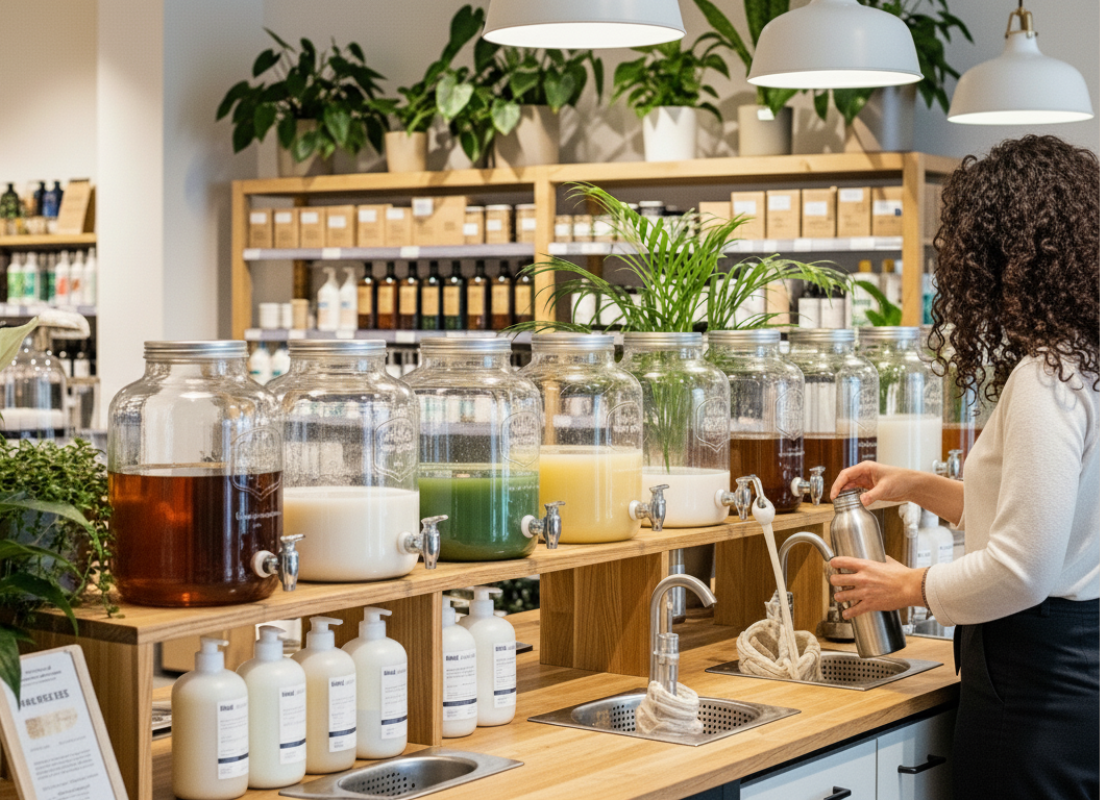
Companies like Blueland, Cleancult, and Smol have turned this concept into elegant, user-friendly products. Concentrated cleaning tablets dissolve in water in a reusable bottle, delivering a full-strength cleaning solution with minimal packaging — often just a small compostable wrapper. One tiny tablet replaces an entire plastic bottle of cleaner, dramatically reducing both plastic waste and carbon emissions from transportation.
Refill stations are also appearing in supermarkets, zero-waste shops, and even some pharmacies across Europe and North America, allowing shoppers to top up their bottles of dish soap, laundry detergent, and all-purpose cleaner without generating any new packaging waste.
This model mirrors the logic behind other sustainable innovations — including our own rice straws. It asks a simple but powerful question: why do we keep throwing away something we could simply refill?
Zero-Waste Packaging: Rethinking the Container
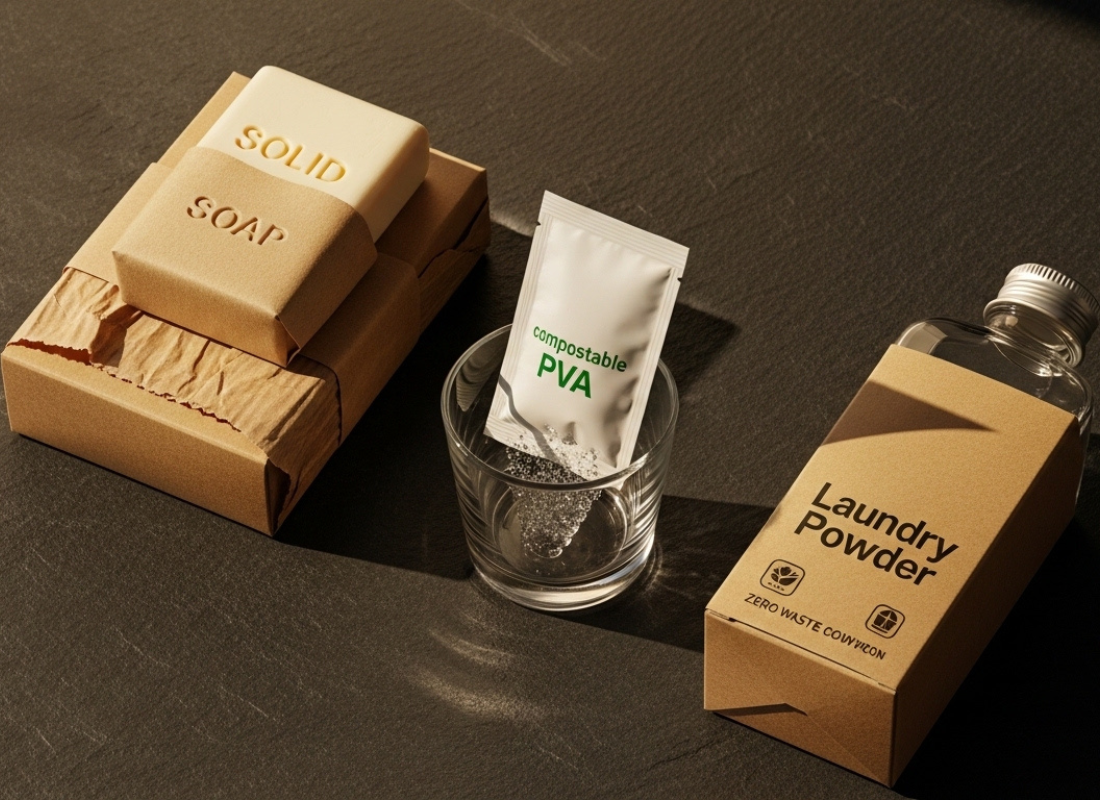
For products that can’t be concentrated into a tablet, innovators are reimagining the container itself. Solid cleaning bars — the cleaning world’s answer to the shampoo bar — are one of the most elegant solutions. Dish soap bars, laundry bars, and all-purpose cleaning bars require no plastic packaging, last longer than their liquid equivalents, and are just as effective.
Dissolvable packaging made from polyvinyl alcohol (PVA) — a water-soluble, biodegradable material — is another breakthrough. Some brands now ship cleaning products in sachets that dissolve completely in water, leaving zero packaging waste behind.
Compostable and recycled packaging is becoming increasingly standard among eco-conscious brands, with cardboard, glass, and aluminum replacing single-use plastic as the containers of choice. Glass and aluminum, unlike most plastics, can be recycled indefinitely without losing quality — making them genuinely circular materials.
Ancient Ingredients Making a Modern Comeback
Some of the most effective eco-friendly cleaning innovations are not new at all. Across cultures and centuries, people cleaned their homes with ingredients that came directly from the earth — and many of these are experiencing a well-deserved revival.
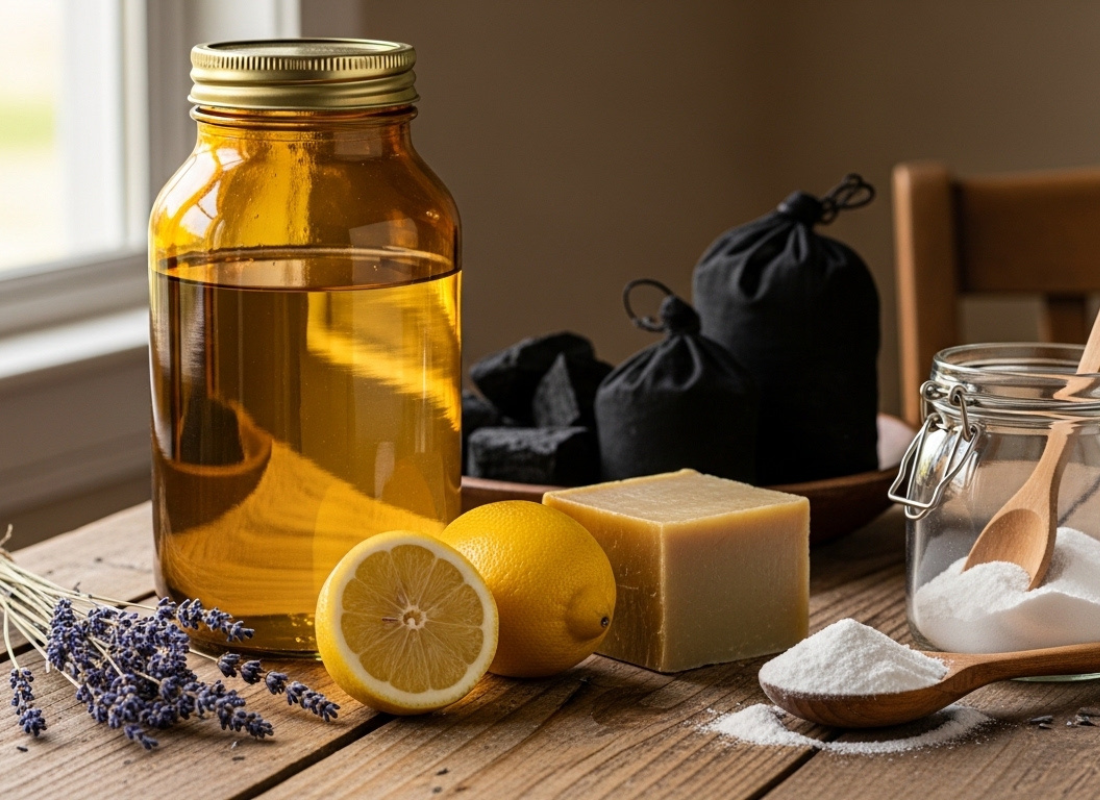
Baking soda (sodium bicarbonate) has been used as a cleaning and deodorizing agent for over a century. It is non-toxic, inexpensive, and extraordinarily versatile. White vinegar, with its natural acidity, cuts through grease and mineral deposits with ease. Castile soap, made from pure olive oil, has been used in the Mediterranean for thousands of years and remains one of the most effective and gentle all-purpose cleaners available.
Activated charcoal is being used in air-purifying bags and refrigerator deodorizers, absorbing odors naturally without synthetic chemicals. Lemon, with its antibacterial and antifungal properties, is a powerhouse natural disinfectant that also leaves surfaces gleaming and smelling fresh.
These ingredients remind us that sustainability is not always about inventing something new. Sometimes it is about remembering what worked before we decided that synthetic and disposable was better.
Making the Switch: Where to Start
Transitioning to eco-friendly cleaning doesn’t have to happen overnight. Small, consistent changes add up to significant impact over time. Here are a few practical steps to get started:
Start with what runs out first. When your current bottle of dish soap or all-purpose cleaner is empty, replace it with a plant-based or refillable alternative rather than buying the same product again.
Invest in reusable cleaning tools. Swap disposable paper towels for washable cloths made from organic cotton or bamboo. Replace single-use scrubbing pads with natural loofahs or compostable alternatives.
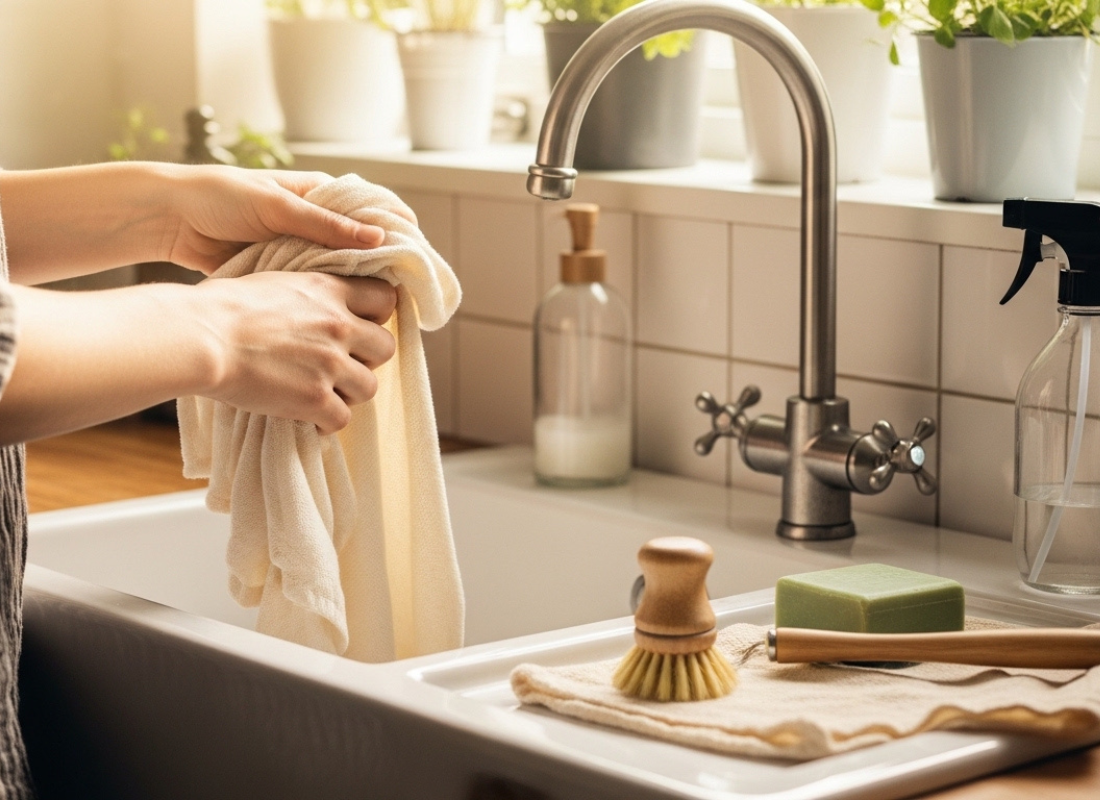
Simplify your cleaning kit. You don’t need a different product for every surface in your home. A good all-purpose plant-based cleaner, a dish soap bar, and a natural scrubbing tool can handle the vast majority of household cleaning tasks.
Read the labels. Look for products that are certified biodegradable, free from phosphates and synthetic fragrances, and packaged in recycled or refillable containers.
Clean Choices for a Cleaner World
The way we clean our homes is a small but meaningful reflection of how we relate to the world around us. Every bottle we refill instead of replace, every plant-based formula we choose over a petrochemical one, every piece of plastic packaging we refuse — these are acts of care for the oceans, the wildlife, and the ecosystems that sustain all life on Earth.
We know that sustainable living is built from dozens of small decisions made every day. Choosing a rice straw. Choosing a refillable cleaner. Choosing to ask better questions about where things come from and where they go.
A clean home and a clean planet are not opposites. With the right innovations, they can be exactly the same thing.