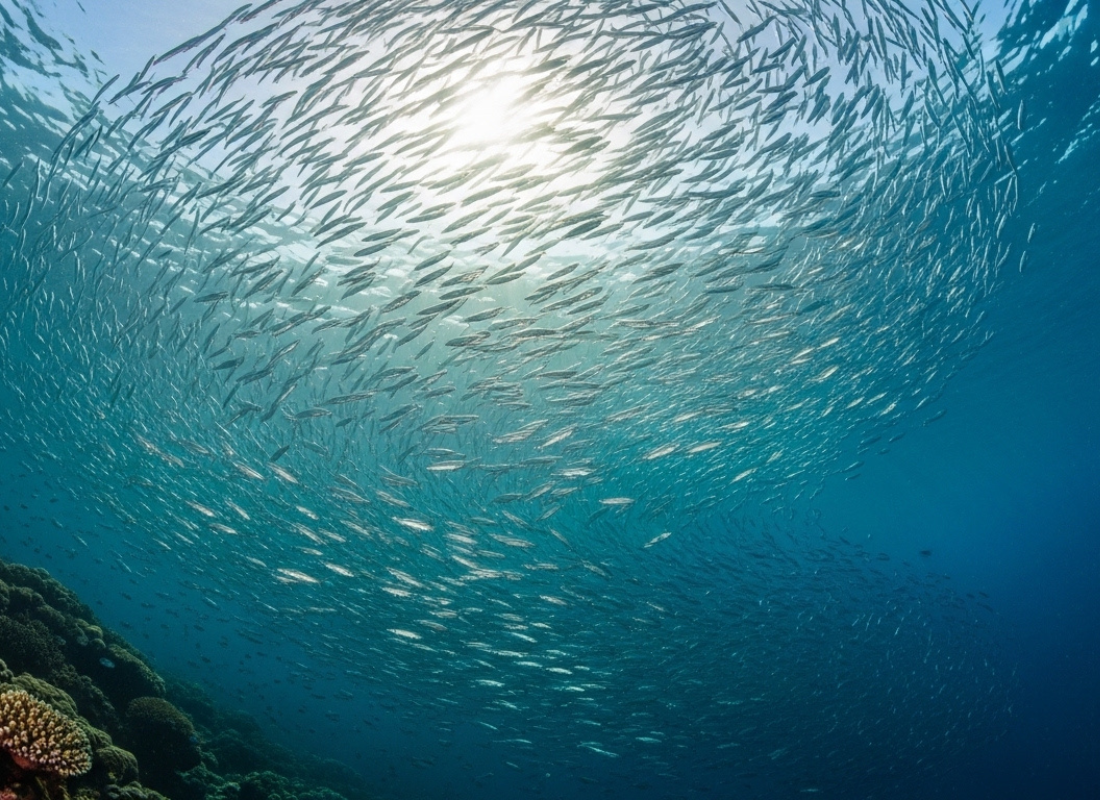
For tens of thousands of years, the ocean has fed humanity. From the earliest coastal settlements to the sprawling fishing industries of the modern world, the sea has been our most generous provider — a seemingly boundless source of protein, livelihoods, and cultural identity for billions of people across the globe.
But the ocean’s generosity has limits. And for the past century, we have been pushing those limits further and further — with devastating consequences for marine ecosystems, coastal communities, and the long-term food security of our planet.
Today, more than 34% of the world’s fish stocks are overfished — exploited beyond their capacity to recover. Another 60% are fished at their maximum sustainable limit. That leaves just 6% of global fisheries with room to grow.
The math is unforgiving. If current trends continue, we face a future of collapsing fish populations, devastated marine ecosystems, and a food crisis that will hit the world’s poorest communities hardest.
But there is another path. Sustainable fisheries management offers a science-based, community-driven approach to fishing that can restore ocean health, secure food supplies, and protect the marine biodiversity that all life — including ours — depends upon.
The scale of the crisis
To understand why sustainable fisheries management matters, we first need to grasp the scale of what is at stake.
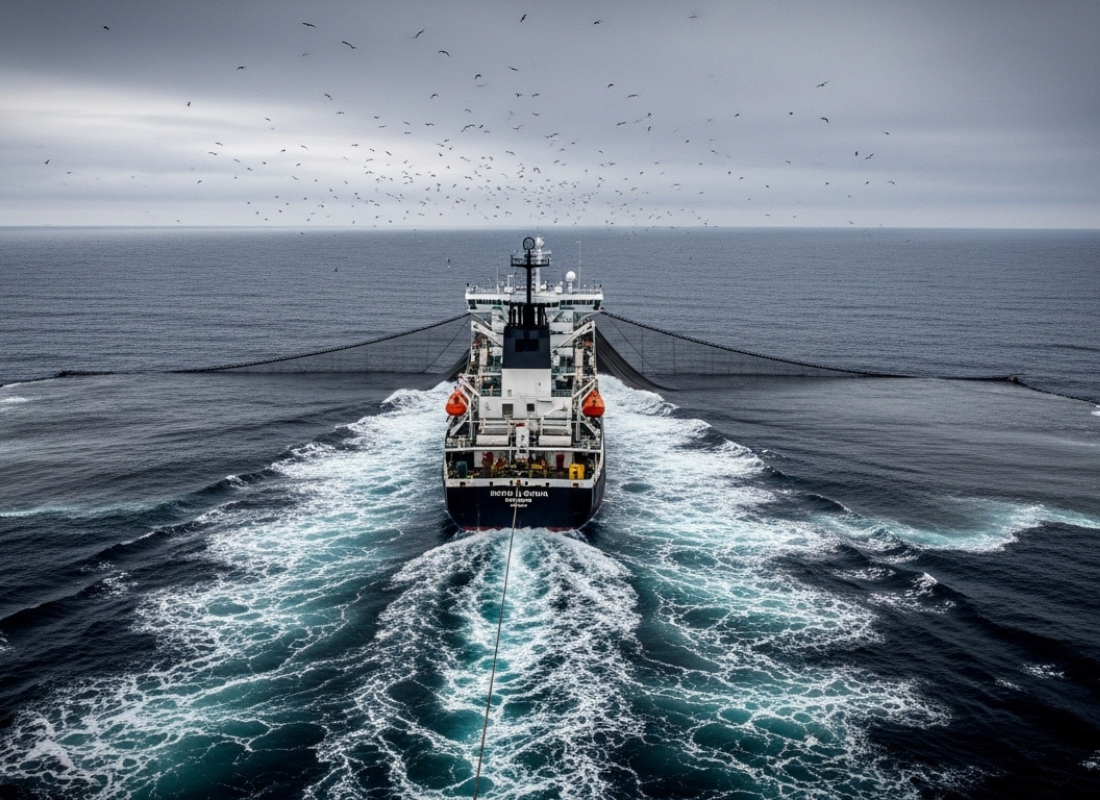
Commercial fishing has transformed beyond recognition in the past century. Industrial fishing fleets equipped with sonar, GPS, and massive nets can locate and harvest fish with a precision and efficiency that leaves populations little chance to recover.
Factory trawlers drag enormous nets across the ocean floor, scooping up everything in their path — target species and non-target species alike — and destroying the seafloor habitats that fish depend on for shelter and reproduction.
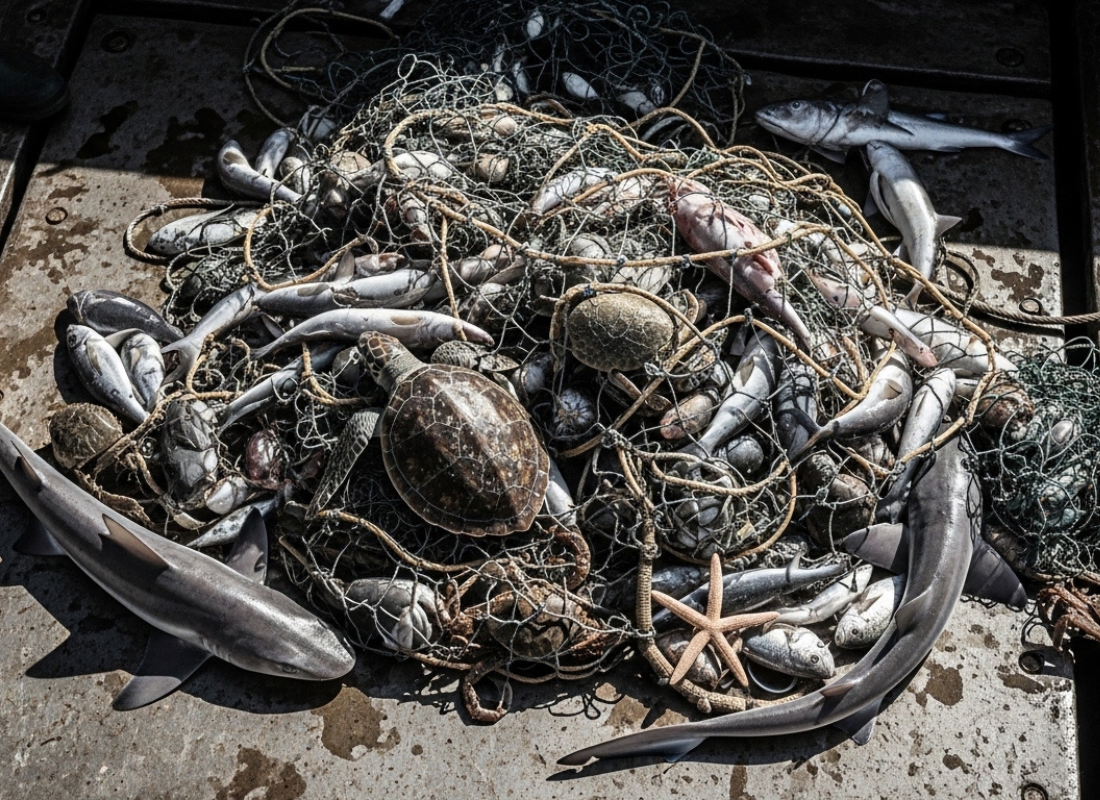
Bycatch — the unintentional capture of non-target species — is one of the most egregious consequences of industrial fishing. It is estimated that for every kilogram of shrimp caught by bottom trawling, up to 5 kilograms of other marine life is discarded, dead or dying.
Sea turtles, dolphins, sharks, seabirds, and juvenile fish of countless species are swept up in nets not designed for them, their lives sacrificed for a catch they were never meant to be part of.
Illegal, unreported, and unregulated (IUU) fishing compounds the problem further. Operating outside legal frameworks and monitoring systems, IUU fishing accounts for up to 26 million tonnes of fish per year — a shadow industry that undermines conservation efforts, distorts markets, and plunders the ocean’s resources with impunity.
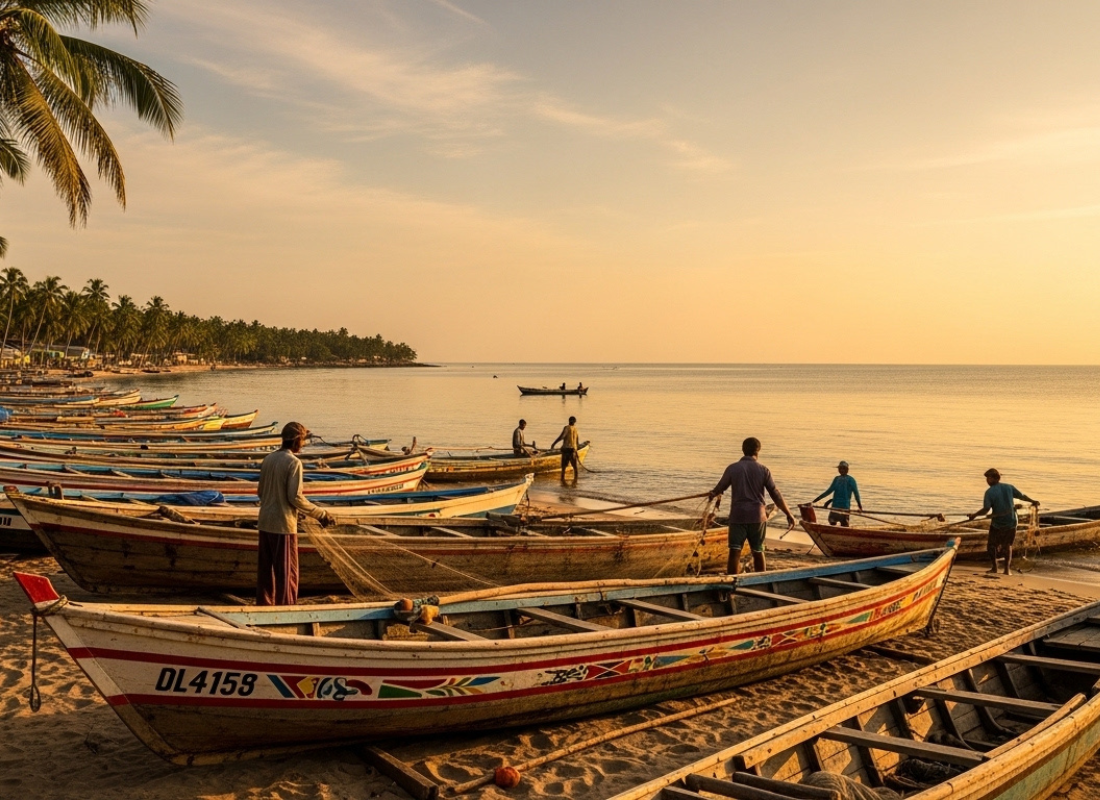
The consequences ripple far beyond the water. Over 600 million people worldwide depend on fisheries and aquaculture for their livelihoods, the majority of them small-scale fishers in developing nations. When fish populations collapse, so do the communities that depend on them.
What is sustainable fisheries management?
Sustainable fisheries management is a framework of practices, policies, and regulations designed to ensure that fish populations are harvested at rates that allow them to replenish naturally — maintaining healthy ecosystems while providing long-term food security and economic stability for fishing communities.
At its core, sustainable fisheries management rests on three principles:
Science-based decision making: setting fishing quotas and seasons based on rigorous population assessments, ecological research, and long-term data rather than short-term economic pressures. This means accepting limits — even painful ones — when science demands it.
Ecosystem-based management: recognizing that fish do not exist in isolation, but as part of complex food webs and ecological systems. Managing fisheries sustainably means considering the needs of predators, prey, habitats, and the broader marine environment — not just the target species.
Inclusive governance: involving fishing communities, indigenous peoples, scientists, governments, and civil society in the decisions that shape how fisheries are managed.
The most durable conservation outcomes are achieved when the people who depend on the resource have a genuine stake in its protection.
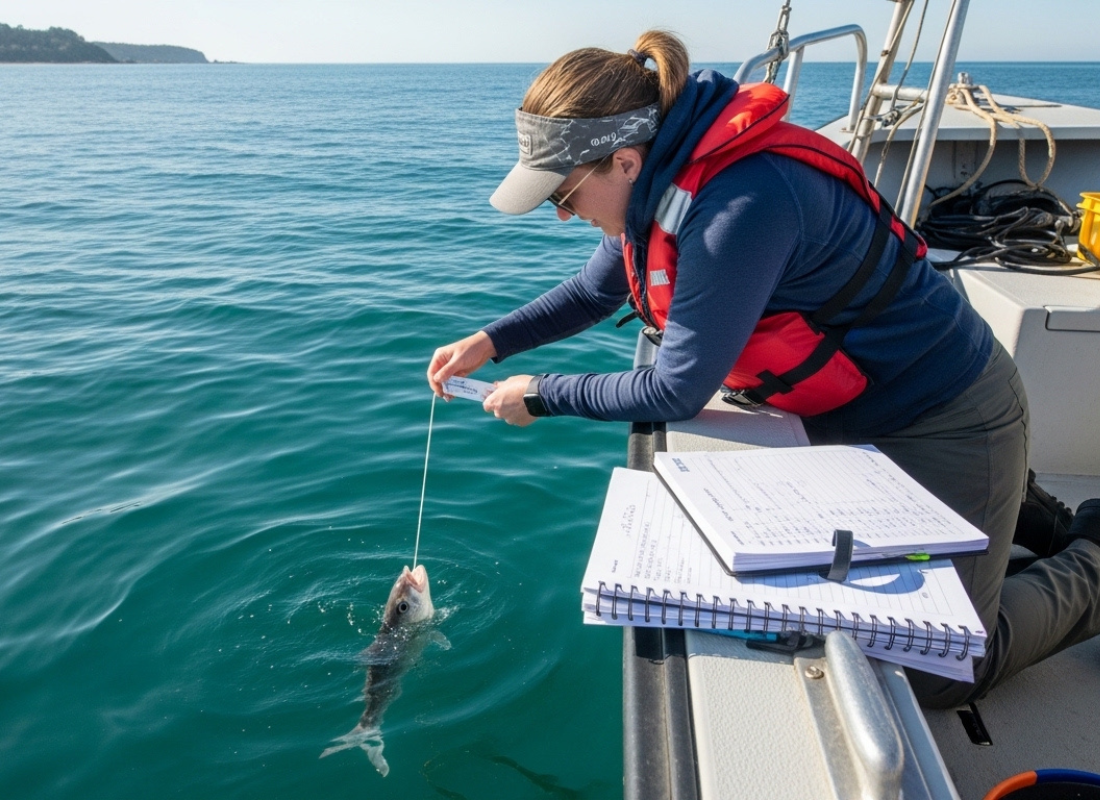
Responsible fishing practices that make a difference
Across the world, fishers, scientists, and policymakers are developing and adopting practices that reduce the environmental impact of fishing while maintaining viable harvests.
Selective fishing gear is one of the most impactful innovations. Replacing broad, indiscriminate nets with gear designed to target specific species and sizes — such as circle hooks, turtle excluder devices (check our Instagram page for more information on TEDs), and modified trawl nets — dramatically reduces bycatch and protects non-target species including sea turtles, dolphins, and juvenile fish.
Marine Protected Areas (MPAs) are zones where fishing is restricted or prohibited entirely, allowing fish populations to recover and ecosystems to regenerate. When well-designed and effectively enforced, MPAs have been shown to increase fish biomass inside their boundaries by an average of 670% — with spillover effects that benefit fisheries in surrounding areas.
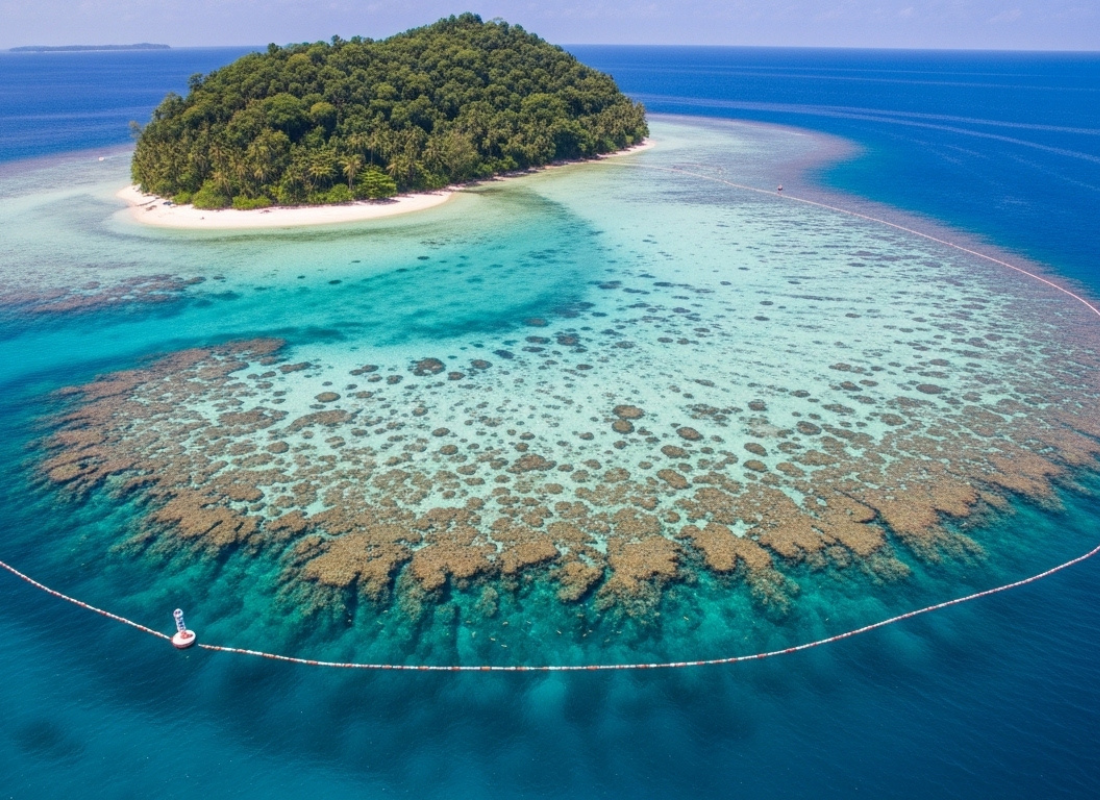
Catch limits and seasonal closures give fish populations time to breed and juveniles time to grow before they are harvested — a simple but powerful tool for preventing overfishing when based on sound science.
Aquaculture done right can relieve pressure on wild fisheries. Sustainable fish farming — particularly of shellfish, seaweed, and herbivorous fish species like tilapia and catfish — can produce high-quality protein with a fraction of the environmental footprint of conventional livestock farming or industrial fishing.
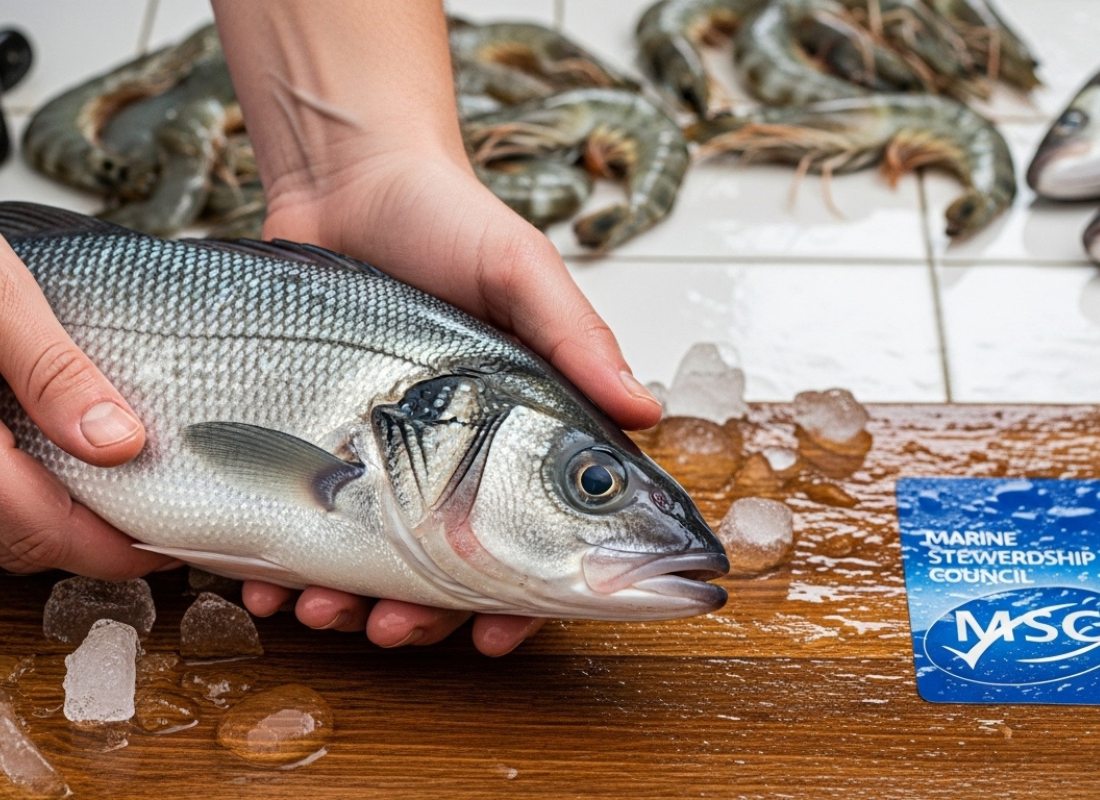
Traceability and certification systems like the Marine Stewardship Council (MSC) label allow consumers to identify and choose seafood from certified sustainable fisheries, creating market incentives for responsible fishing practices throughout the supply chain.
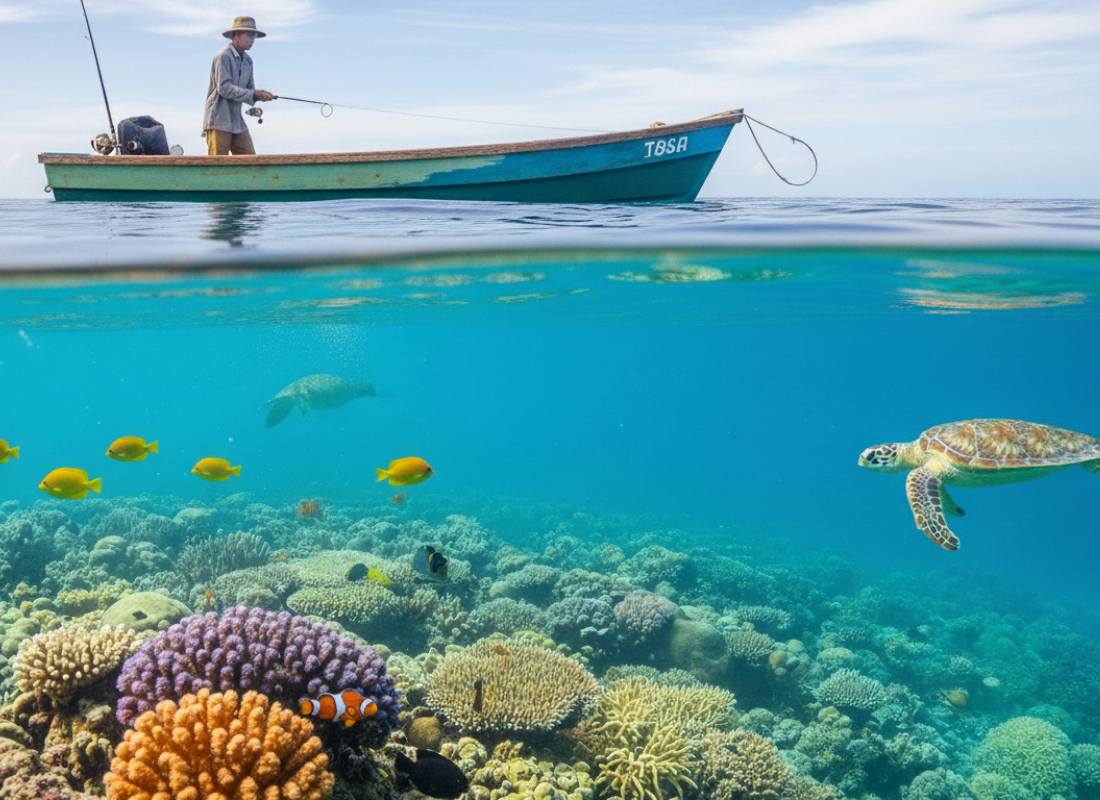
Community-led conservation: the quiet heroes
Some of the most inspiring examples of sustainable fisheries management are not driven by governments or corporations, but by fishing communities themselves — people who understand, better than anyone, what is at stake when the fish disappear.
In Baja California, Mexico, small-scale lobster fishers organized themselves into cooperatives decades ago and adopted a system of territorial use rights — dividing the coastline into zones managed by individual cooperatives with strong incentives to fish sustainably.
Today, the Baja California lobster fishery is one of the best-managed in the world, certified by the MSC and celebrated as a model of community-led conservation.
In Fiji, traditional fishing communities have revived an ancient practice called tabu — the temporary closure of reef areas to fishing, determined by community elders based on ecological observation. These customary marine managed areas have proven remarkably effective at restoring fish populations and maintaining reef health.
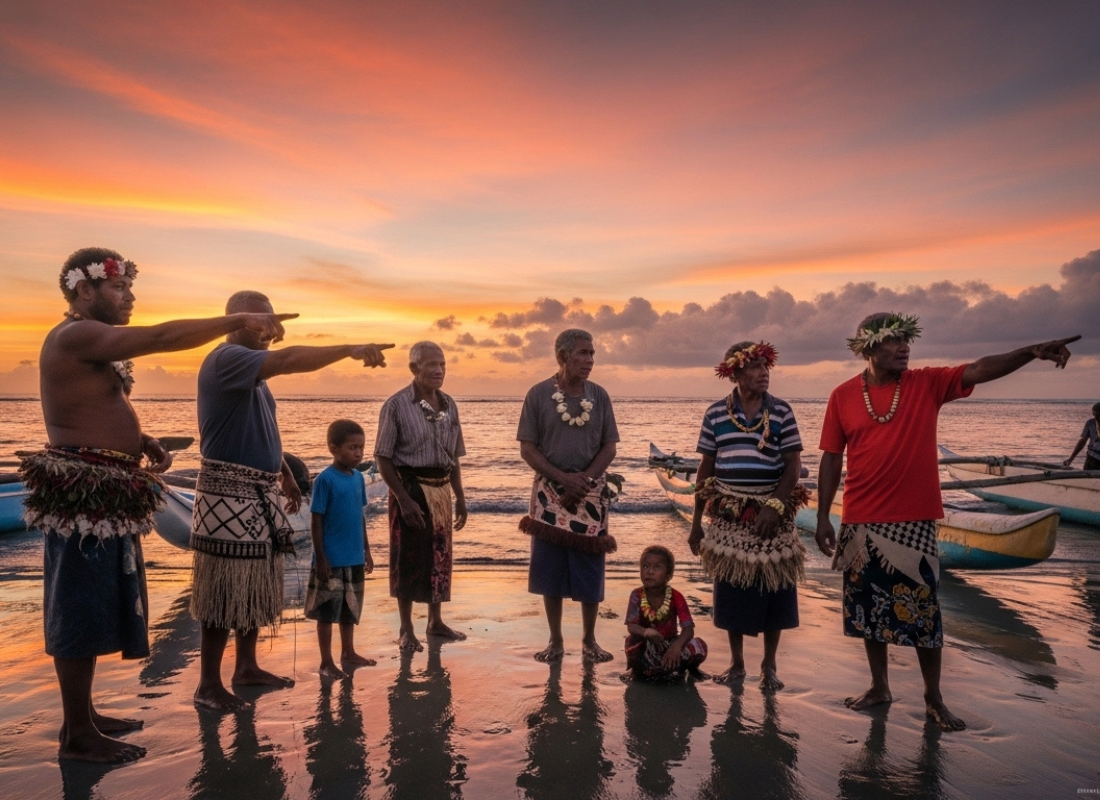
In Norway, a strict quota system combined with strong government enforcement and investment in fishing technology has allowed the iconic cod fishery — once on the brink of collapse — to begin a slow but meaningful recovery.
These stories share a common thread: long-term thinking, community ownership, and a willingness to accept short-term sacrifice for long-term gain.
The consumer’s role in sustainable fisheries
Sustainable fisheries management is not only the responsibility of governments and fishing industries. Every time we choose what to eat, we cast a vote for the kind of ocean we want to live alongside.
Choosing seafood certified by the MSC or the Aquaculture Stewardship Council (ASC), asking restaurants and retailers where their fish comes from, reducing overall seafood consumption, and supporting organizations working on ocean conservation — these are all meaningful acts of marine stewardship available to anyone, anywhere.
The choices we make at the dinner table send signals all the way back to the fishing boat, the processing plant, and the policy maker’s desk. Consumer demand shapes markets, and markets shape behavior on a global scale.
A sea worth fishing
The ocean is not an infinite resource. But it is a remarkably resilient one — capable of recovering from even severe depletion if given the chance and the protection it needs.
Sustainable fisheries management is not about choosing between people and nature. It is about recognizing that the two are inseparable — that the fishing communities of today can only thrive if the fish populations of tomorrow are healthy, abundant, and free to swim.
We believe that every product, every choice, and every conversation about sustainability is part of a larger effort to restore balance between human activity and the natural world.
From the rice fields where our straws begin their journey, to the oceans we are committed to protecting, the thread connecting it all is the same: a deep respect for nature’s limits, and an equally deep faith in its capacity to heal.
The sea has fed us for millennia. It is time we returned the favor.