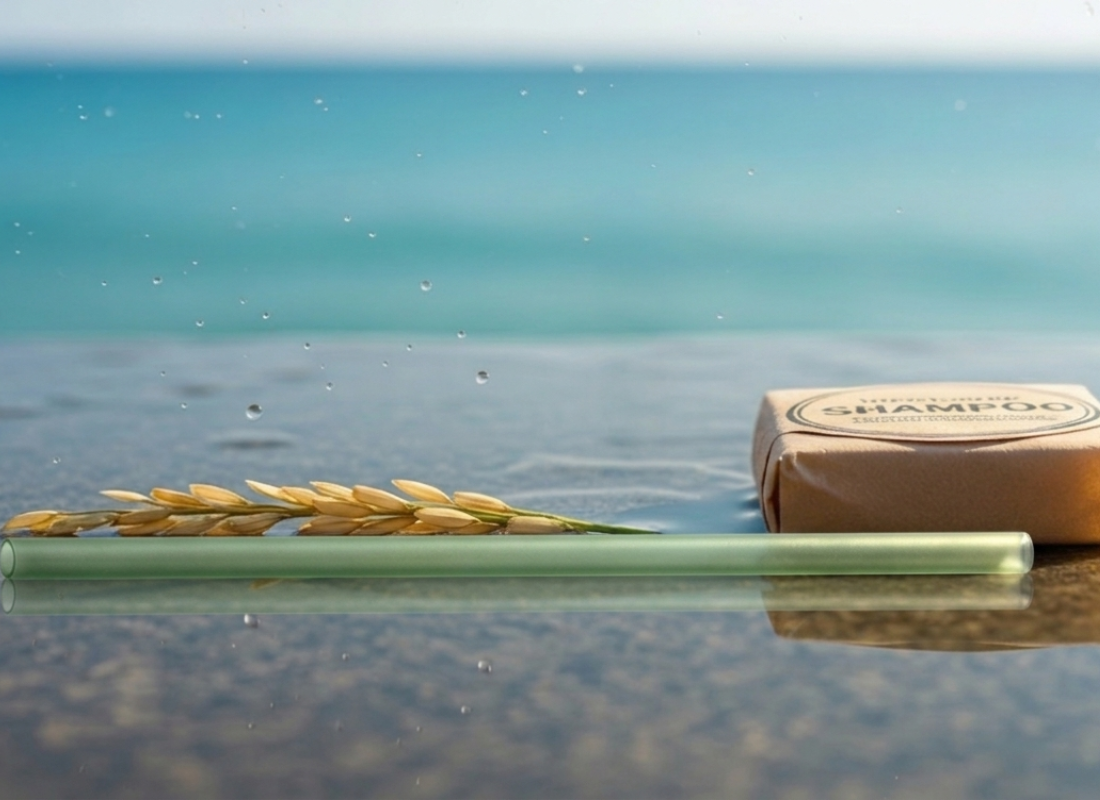
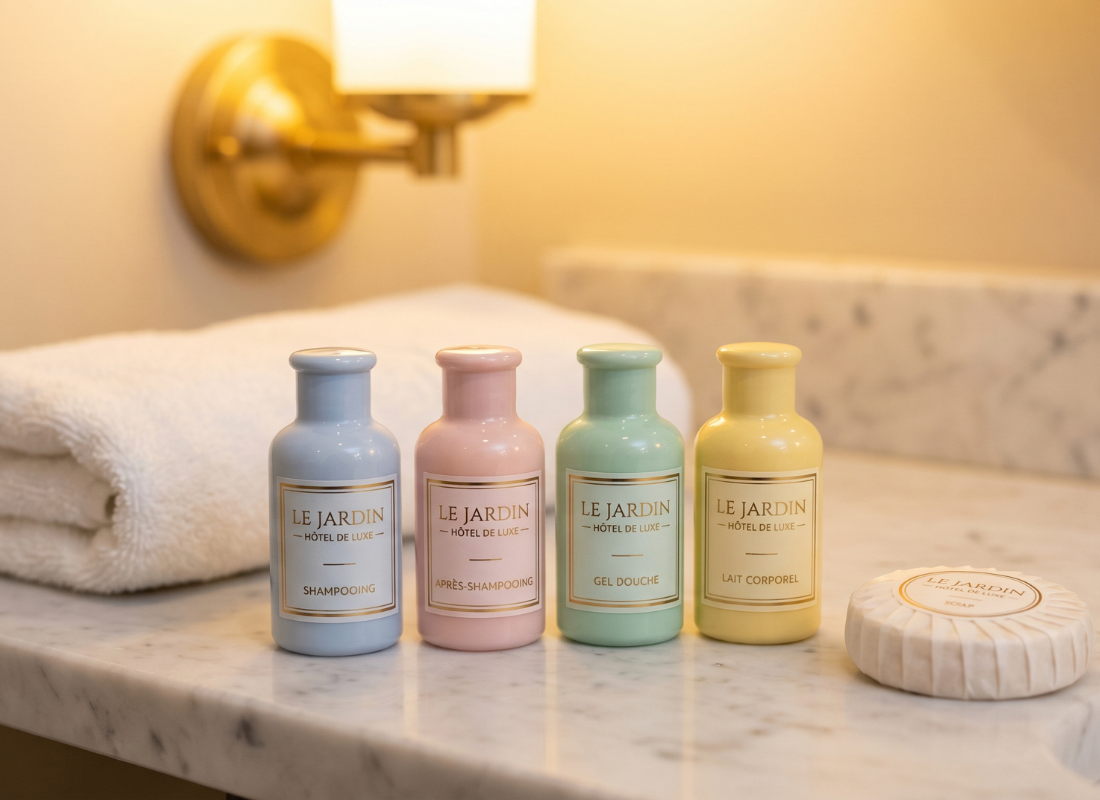
There is something undeniably charming about the miniature toiletry. The tiny shampoo bottle, the thumb-sized conditioner, the sliver of soap wrapped in paper printed with the hotel’s logo — they feel like gifts, little souvenirs of a night away from home.
Millions of travelers have slipped them into their bags, collected them on bathroom shelves, or passed them on to charity drives. They are one of the hospitality industry’s most recognizable rituals.
They are also one of its most wasteful ones.
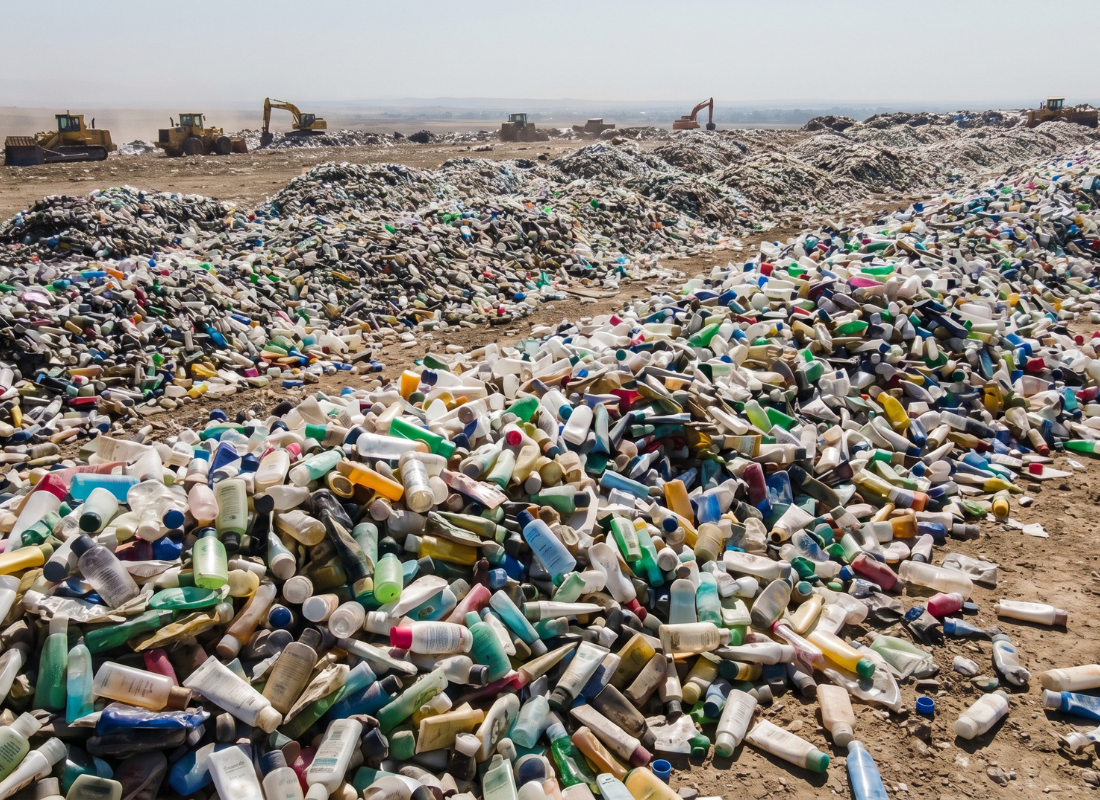
The global hotel industry produces an estimated 11 billion miniature plastic toiletry bottles every single year. The vast majority are used once — often only partially — and then discarded.
Tiny, lightweight, and made from mixed plastics that are rarely recyclable in standard waste streams, they flow through landfills, litter coastlines, and break down into the microplastics now found in every ocean on Earth, in the bodies of marine animals, and increasingly, in our own.
A growing movement across the hospitality industry is confronting this quiet waste crisis — and in doing so, reimagining what sustainable luxury looks like in the twenty-first century.
 The Scale of a Small Problem
It is easy to underestimate the environmental impact of something so small. A single miniature shampoo bottle weighs almost nothing. But multiply it by 11 billion, and the picture changes dramatically.
If laid end to end, the miniature toiletry bottles produced by the global hotel industry each year would circle the Earth more than 30 times. The plastic they contain is predominantly PET or HDPE — materials that take hundreds of years to decompose in landfill conditions and, when they reach the ocean, fragment into microplastics that accumulate in the tissues of fish, seabirds, and sea turtles.
The chemicals inside those bottles add another layer of concern.
Many conventional shampoos, conditioners, and body washes contain synthetic fragrances, parabens, silicones, and other compounds that are not fully removed by wastewater treatment and ultimately enter aquatic ecosystems, where they disrupt the hormonal systems of marine organisms and contribute to the degradation of water quality.
For an industry that trades on the beauty of natural environments — beachfront resorts, mountain retreats, tropical eco-lodges — the irony of contributing to the destruction of those very environments through billions of plastic bottles is hard to ignore.
 The Regulatory Tide Is Turning
Governments around the world are beginning to act. California became the first US state to ban small plastic toiletry bottles in hotels, with legislation that took effect in 2023 requiring hotels with 50 or more rooms to replace single-use plastic bottles with bulk dispensers or other alternatives.
Several European countries have implemented or are planning similar restrictions as part of broader single-use plastic reduction strategies.
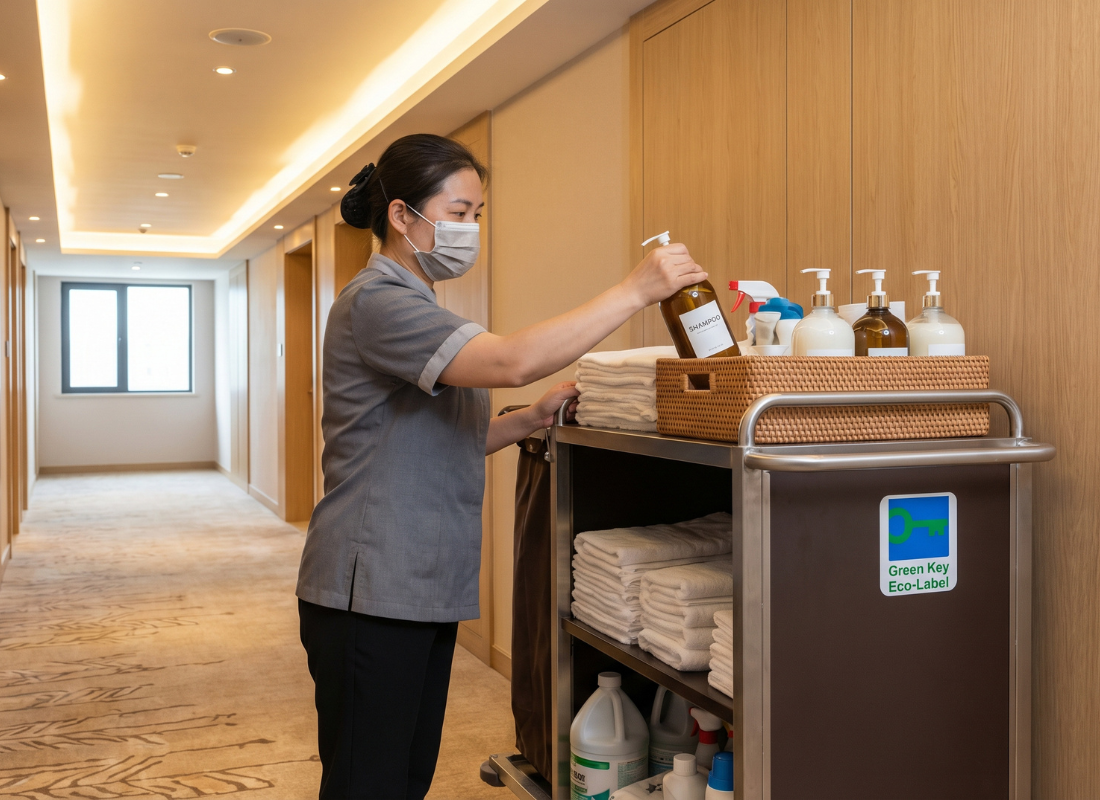
Major hotel chains moved ahead of regulation. Marriott International — the world’s largest hotel company — announced the elimination of miniature toiletry bottles from its properties in 2019, a decision affecting more than 1.5 million hotel rooms worldwide and preventing an estimated 500 million small plastic bottles from entering the waste stream annually.
IHG, Hilton, and Accor have made similar commitments, representing a collective shift that is reshaping supplier relationships and guest expectations across the entire industry.
For smaller independent hotels and boutique properties, the transition presents both a challenge and an opportunity — a chance to differentiate through genuine sustainability credentials rather than simply following the lead of the large chains.
 Sustainable Alternatives: Reinventing the Bathroom
The elimination of miniature toiletries has sparked a wave of innovation in hotel bathroom amenities, with sustainable alternatives that range from the elegantly simple to the genuinely transformative.
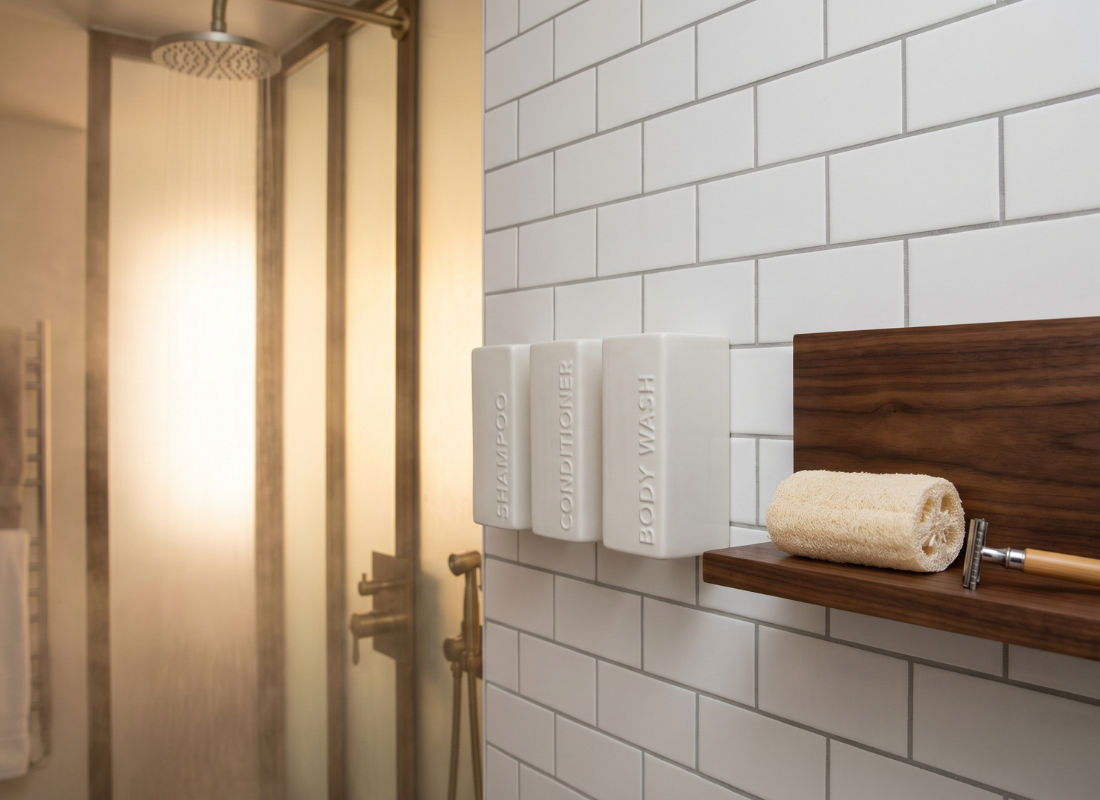
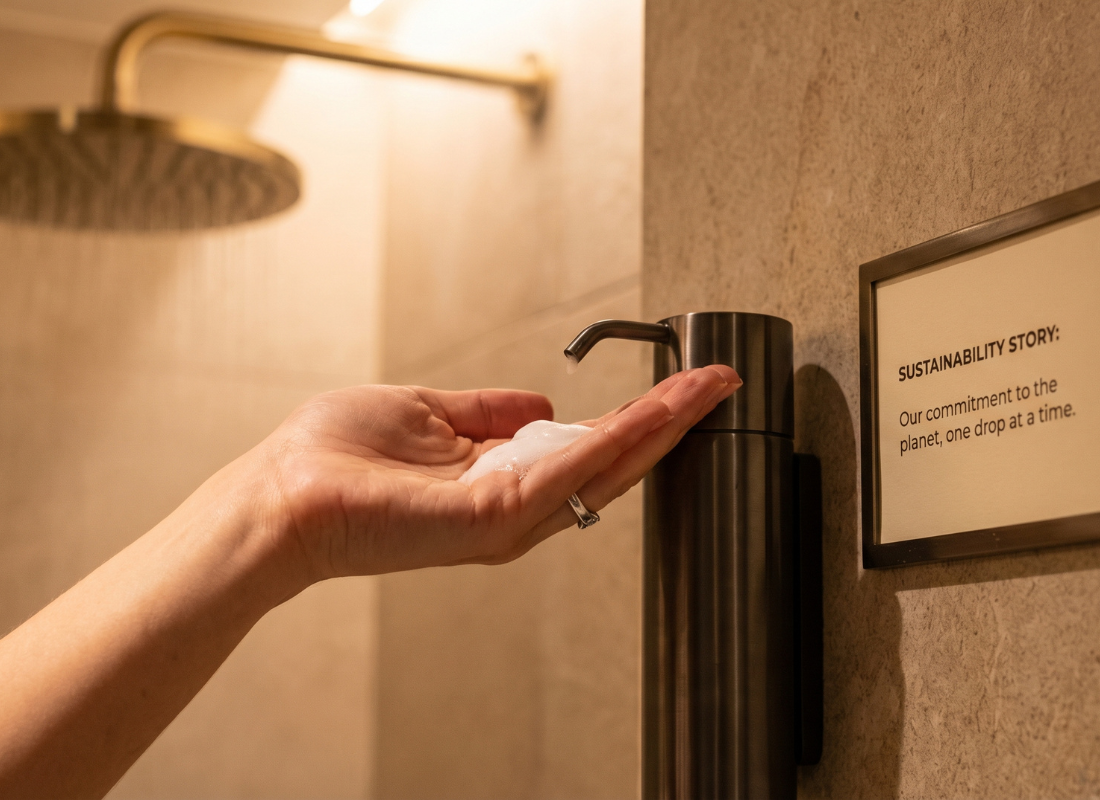
Bulk refillable dispensers are the most immediately practical solution — wall-mounted or countertop containers filled with larger quantities of shampoo, conditioner, and body wash that are refilled or replaced when empty.
When made from durable, recyclable materials and filled with plant-based, biodegradable formulas, they dramatically reduce both plastic waste and the chemical load entering wastewater systems.
The challenge has been guest perception — some travelers associate dispensers with budget accommodation — but thoughtful design and premium formulations have gone a long way toward changing that association.
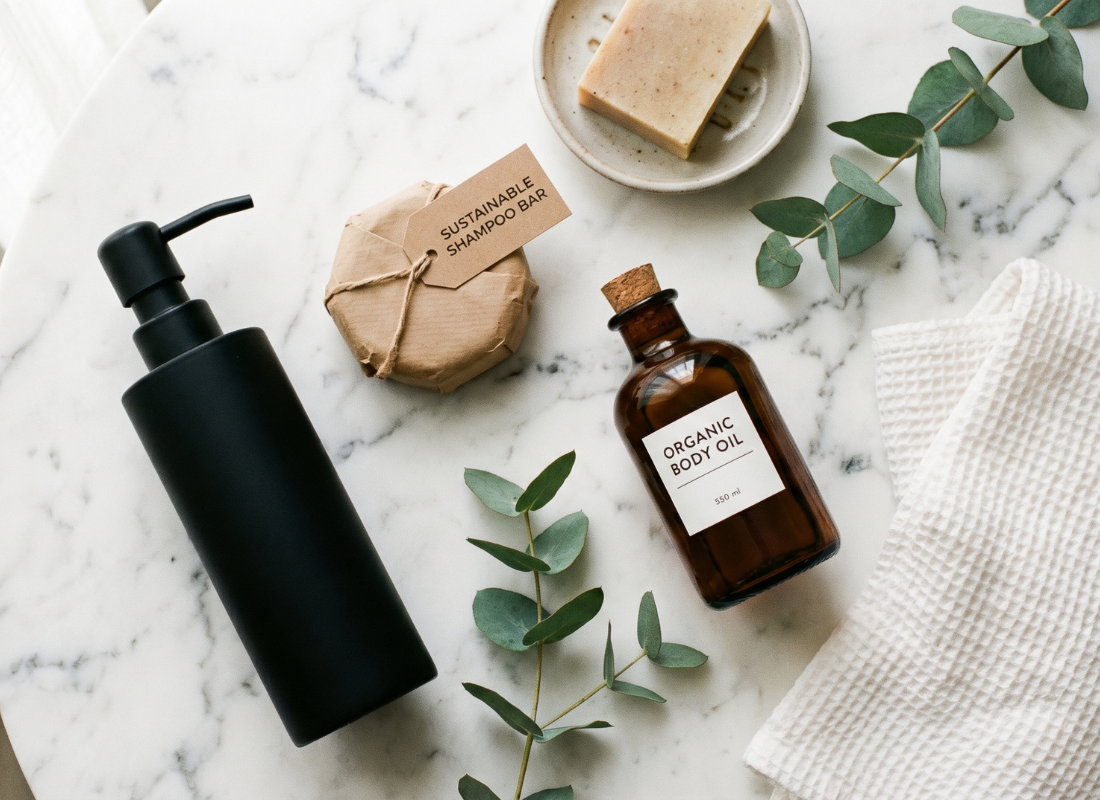
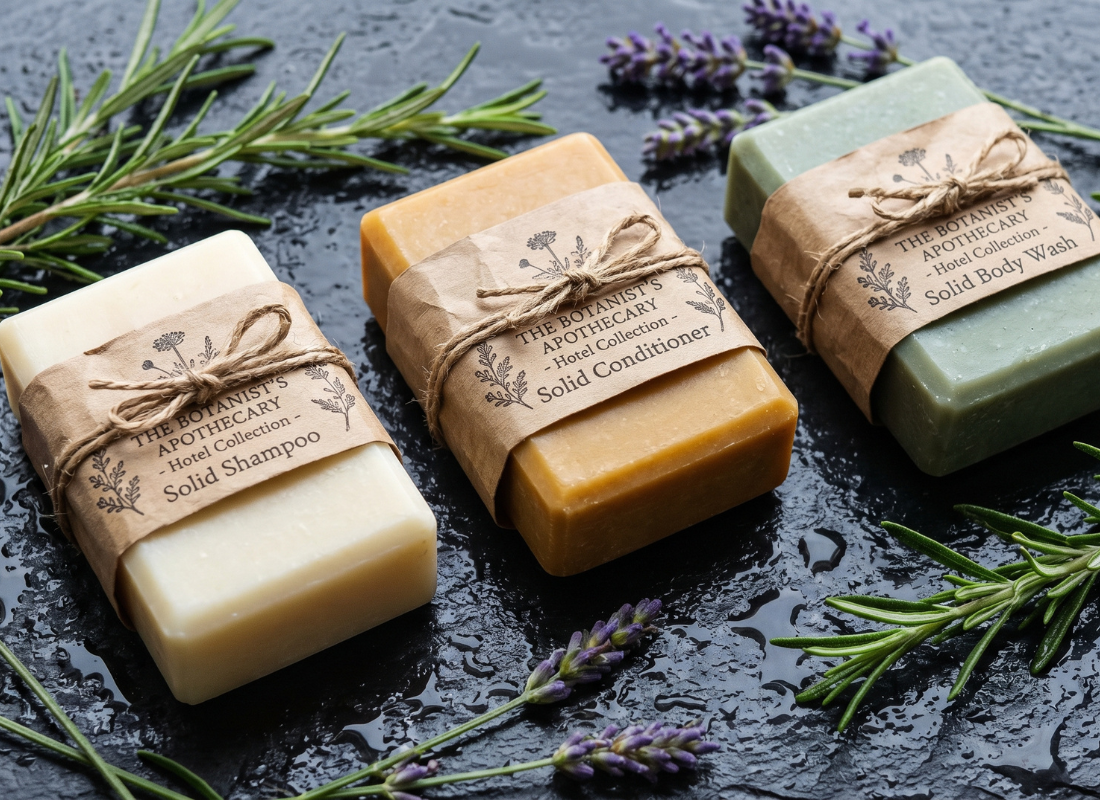
 Solid toiletry bars are experiencing a remarkable renaissance in the hotel sector.
Shampoo bars, conditioner bars, and body wash bars require no plastic packaging, last significantly longer than their liquid equivalents, and have a dramatically lower carbon footprint in both production and transportation.
Brands like Lush, Ethique, and Zero Bar have developed hotel-specific ranges that deliver a luxurious experience without a drop of plastic, wrapped instead in compostable paper or presented unwrapped on ceramic dishes.
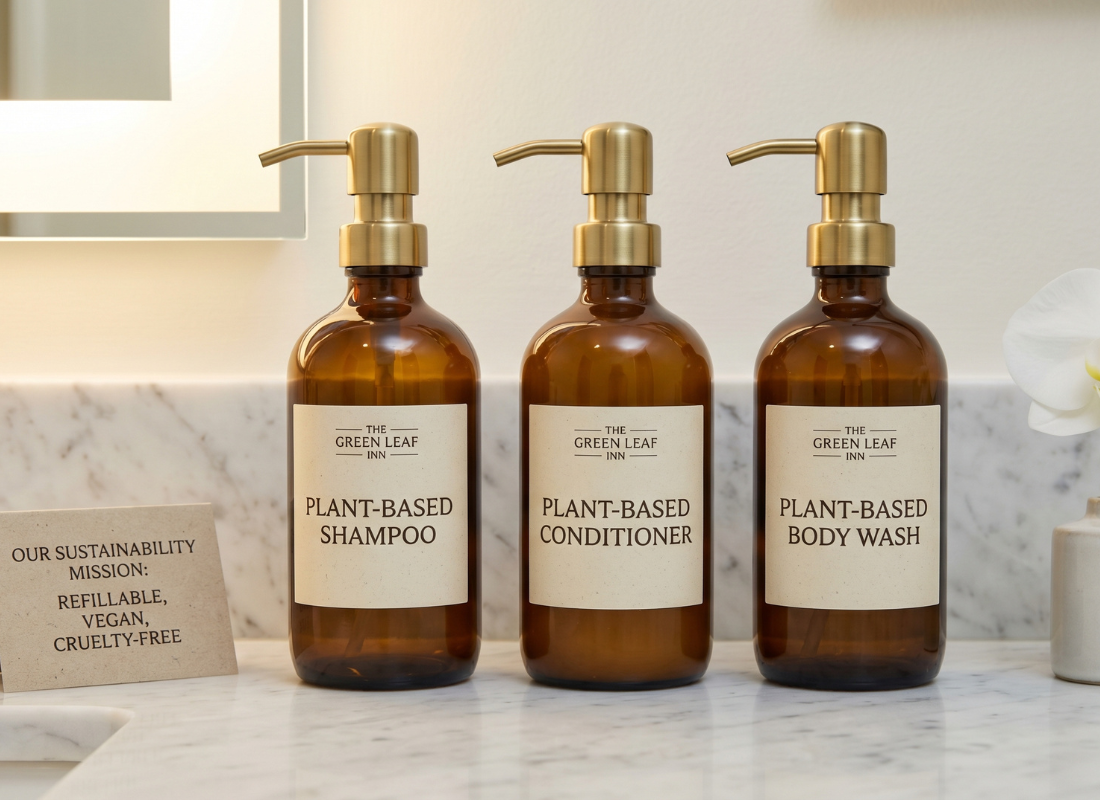
 Refillable glass or aluminum bottles, pre-filled with premium locally sourced products, offer a more tactile and design-forward alternative.
Some hotels present these as a feature of the guest experience in their own right — beautiful objects that communicate the property’s commitment to sustainability while elevating the bathroom aesthetic.
Guests are invited to take the empty bottles home and refill them, extending the product’s life far beyond the hotel stay.
 Dissolvable and waterless formulations represent the cutting edge of sustainable hotel toiletries.
Concentrated solid tablets that dissolve in water, waterless shampoos and cleansers in powder or paste form, and ultra-concentrated drops that require only a few milliliters per use are all finding their way into forward-thinking hotel bathrooms — dramatically reducing packaging, weight, and the energy required for production and transport.
Local and Natural: The New Luxury
Beyond the format of the products themselves, the most progressive hotels are rethinking the entire philosophy of what bathroom amenities represent — and finding that sustainability and luxury are not opposites but natural allies.
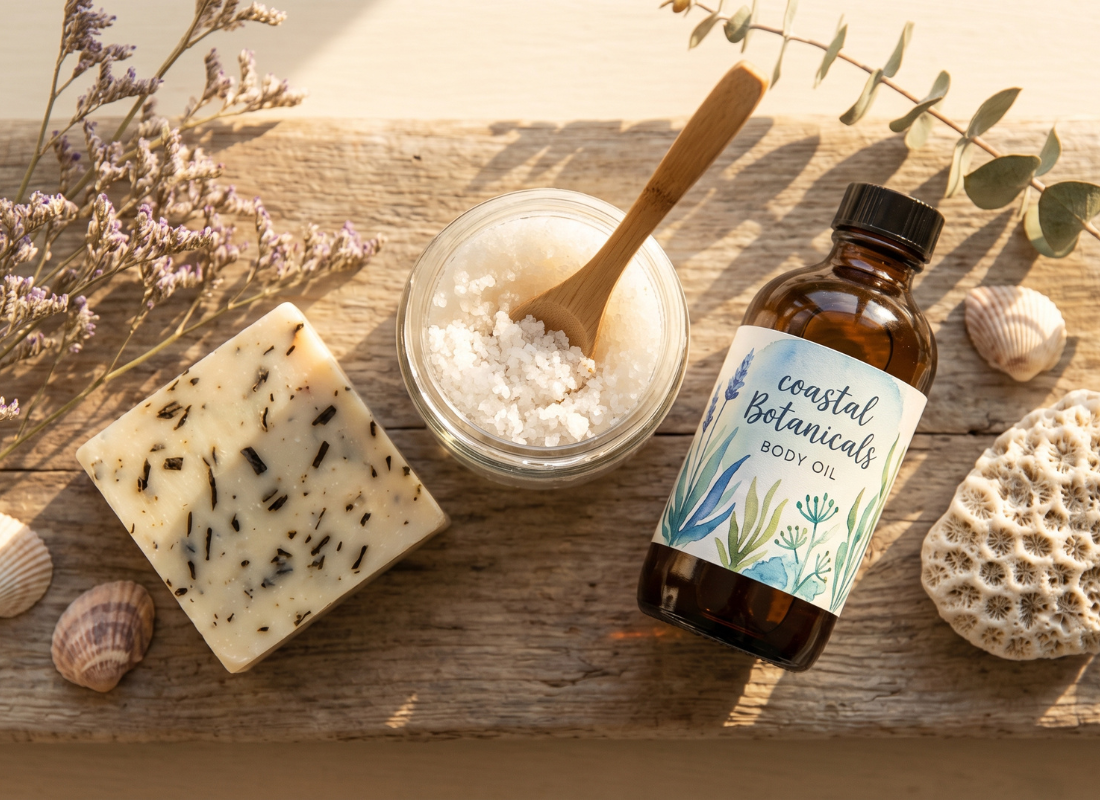
A growing number of hotels are partnering with local artisan producers — small-batch soap makers, herbalists, and natural cosmetics brands — to create bespoke amenity ranges that reflect the character of their location.
A coastal resort might offer amenities infused with locally harvested sea kelp or coastal botanicals. A mountain lodge might feature products scented with pine resin, wild lavender, or alpine herbs gathered from the surrounding landscape.
These partnerships support local economies, reduce supply chain emissions, and create a sense of place that the anonymous miniature bottle could never provide. They tell a story — about the land, the community, and the values of the property — that guests remember long after they check out.
For travelers who increasingly seek authentic, meaningful experiences over generic comfort, this approach represents a genuine evolution in hospitality — one where sustainability is not a sacrifice but a source of distinctiveness and delight.
 The Guest Experience Question
The central concern for hotels considering the transition away from miniature toiletries is invariably the guest experience. Will guests feel shortchanged? Will reviews suffer? Will the sense of personal care and attention that the little bottle symbolized be lost?
The evidence suggests otherwise.
Properties that have made the transition thoughtfully — communicating their environmental rationale clearly, investing in high-quality sustainable alternatives, and presenting the change as a reflection of their values rather than a cost-cutting measure — have generally found that guest satisfaction is maintained or improved.
Increasingly, guests — particularly younger travelers — actively seek out properties with credible sustainability credentials, and reward those that demonstrate genuine commitment rather than greenwashing.
The key is intentionality. A beautiful glass dispenser filled with an exquisite plant-based formula, accompanied by a small card explaining the hotel’s sustainability journey, communicates care just as eloquently as the miniature bottle ever did — perhaps more so, because it connects the guest’s personal comfort to something larger than themselves.
 A Small Change With a Big Ripple
At The Happy Turtle Straw, we understand the power of small objects to carry big messages.
A rice straw is a small thing — lighter than a feather, gone in an afternoon. But its existence says something significant: that we do not have to choose between convenience and conscience, that the products we use every day can reflect the values we hold, and that the ocean pays attention to what we put into the world.
The miniature toiletry bottle tells a similar story in reverse — a tiny object with an outsized environmental cost, whose elimination is a reminder that sustainability begins with the smallest choices.
When a hotel replaces 11 billion little plastic bottles with something better, the ocean notices. The sea turtle notices. The reef notices.
Small changes, made at scale, are how the world transforms.