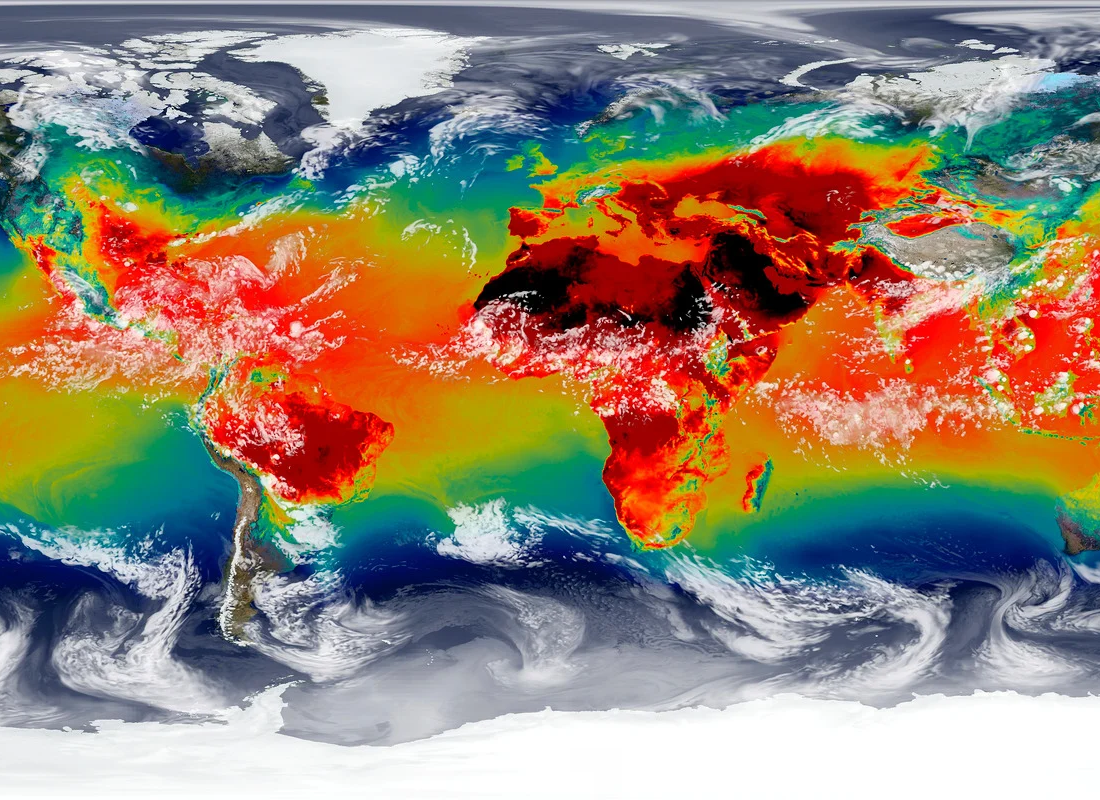
In today’s food and beverage landscape, pricing volatility is no longer just a supply chain issue—it’s a climate issue.
From droughts in key growing regions to unpredictable rainfall and rising global temperatures, climate trends are reshaping how food is produced, sourced, and priced. For restaurants, hotels, and foodservice operators, this shift is becoming impossible to ignore. Ingredient costs are fluctuating more frequently, margins are tightening, and long-term planning is getting harder.
Understanding why this is happening—and more importantly, what to do about it—has become a critical skill for modern operators.
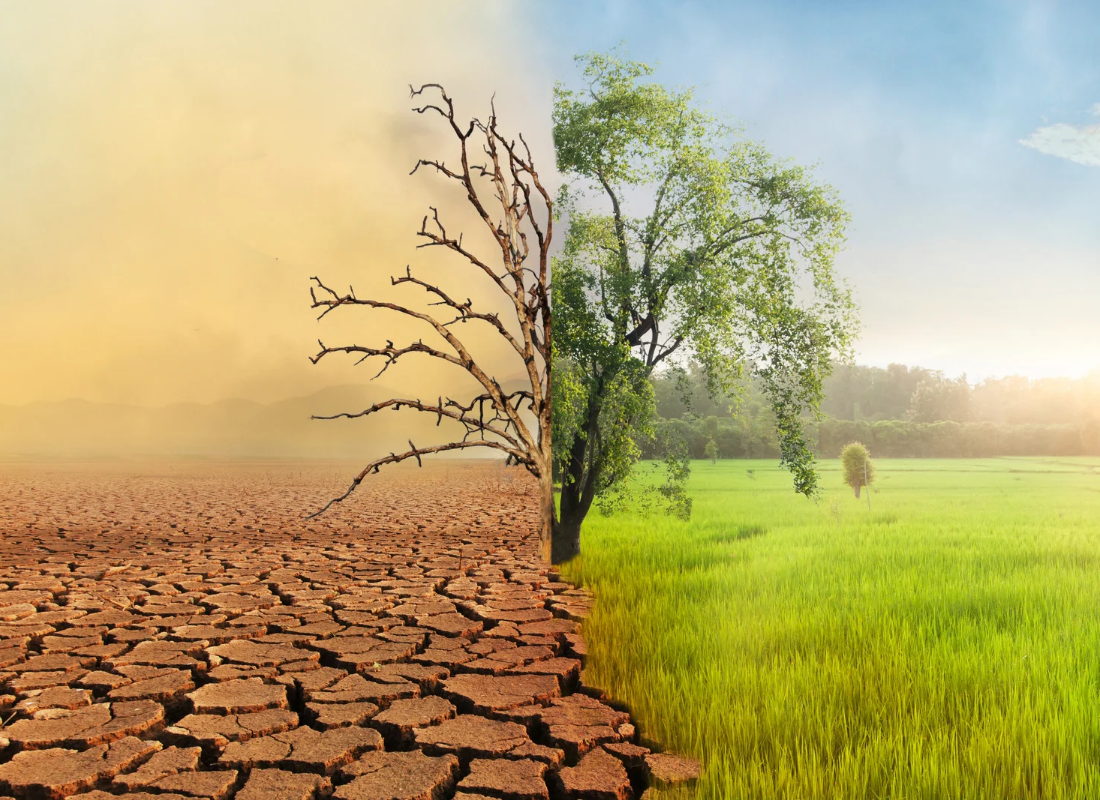
The Link Between Climate and Ingredient Prices
At its core, the relationship is simple: climate affects agricultural output, and agricultural output drives price.
But the reality is far more complex.
Extreme weather events—heatwaves, floods, droughts—are becoming more frequent and more severe. These events directly reduce crop yields, disrupt harvest cycles, and damage infrastructure. When supply drops suddenly, prices rise just as quickly.
Recent research confirms that unusually high temperatures alone can push food prices upward by reducing agricultural productivity and creating supply shortages.
We’ve already seen this play out across global markets:
- Cocoa prices surged dramatically after drought and heat in West Africa
- Coffee prices doubled due to erratic rainfall patterns
- Vegetable prices in some regions jumped sharply following droughts
In fact, some commodities have experienced increases of over 100% within a single year due to climate-related disruptions.
This isn’t a temporary spike—it’s a structural shift.
Climate Volatility = Price Volatility
Historically, food prices followed relatively predictable cycles. Seasonality, labor costs, and transportation were the main variables.
Today, volatility is the new normal.
Experts now refer to this phenomenon as “climate inflation”—a pattern where extreme weather events create repeated and unpredictable price shocks across food categories.
Key drivers include:
1. Unpredictable Growing Conditions
Farmers can no longer rely on consistent seasons. A single heatwave or storm can wipe out entire crops, shrinking supply overnight.
2. Regional Supply Disruptions
Climate impacts are often localized—but their price effects are global. If one major producing region fails, the entire market reacts.
3. Increased Production Costs
Water scarcity, irrigation needs, and crop protection measures are driving up farming costs, which are then passed down the supply chain.
4. Shifting Agricultural Zones
As temperatures rise, traditional growing regions become less viable. Production shifts geographically, often increasing logistics costs and reducing efficiency.

Why This Matters for Hospitality Businesses
For hospitality operators, ingredient price volatility affects more than just procurement budgets—it influences the entire guest experience.
Margin Pressure
When ingredient costs rise unpredictably, profit margins shrink. Fixed menu pricing becomes harder to sustain.
Menu Instability
Signature dishes may become unviable if key ingredients spike in price or become unavailable.
Forecasting Challenges
Budgeting becomes less accurate, making it harder to plan for seasons, events, or expansions.
Supply Chain Risk
Reliance on single-origin ingredients or limited suppliers increases vulnerability to climate shocks.
Even in developed markets, where processing and logistics account for a large share of food prices, climate-driven cost increases still ripple through the system.
The Long-Term Outlook
Climate-driven price pressure is expected to intensify.
By 2050, global food commodity prices could rise by up to 18% purely due to climate change impacts, even without other economic pressures.
At the same time:
- Extreme weather events are becoming more frequent
- Crop yields for key staples are declining
- Global demand for food continues to rise
This creates a structural imbalance between supply and demand—one that keeps prices elevated and unstable.

What You Can Do About It
While climate trends are outside your control, your response to them isn’t. Forward-thinking operators are already adapting—and gaining a competitive advantage by doing so.
Here’s how:
1. Diversify Your Supply Chain
Relying on a single region or supplier is increasingly risky.
Instead:
- Source key ingredients from multiple regions
- Build relationships with alternative suppliers
- Consider local sourcing where possible
Diversification reduces exposure to localized climate events and stabilizes supply.
2. Design Flexible Menus
Rigid menus are a liability in a volatile market.
Adopt:
- Seasonal menu rotations
- Ingredient substitutions
- “Market price” items for high-risk ingredients
Flexibility allows you to respond quickly to price changes without compromising profitability.
3. Embrace Climate-Resilient Ingredients
Some ingredients are naturally more resilient to climate variability.
Examples include:
- Drought-resistant grains
- Regenerative crops
- Alternative plant-based ingredients
These options often offer more stable pricing and align with sustainability expectations.
4. Strengthen Supplier Partnerships
Long-term contracts and strategic partnerships can help buffer short-term volatility.
Some retailers are already investing heavily in multi-year supplier agreements to stabilize pricing and ensure supply continuity.
For hospitality businesses, this approach can:
- Lock in pricing
- Improve forecasting
- Ensure priority access during shortages
5. Reduce Waste to Offset Costs
When ingredient prices rise, waste becomes even more expensive.
Focus on:
- Inventory optimization
- Portion control
- Cross-utilization of ingredients
Reducing waste effectively lowers your “true” ingredient cost.
6. Leverage Data and Forecasting Tools
Advanced procurement teams are increasingly using data to anticipate price trends.
Tracking:
- Weather patterns
- Commodity markets
- Supplier risks
…can help you make proactive purchasing decisions rather than reactive ones.

Turning Risk Into Opportunity
While climate-driven price volatility presents challenges, it also creates opportunities for differentiation.
Businesses that adapt early can:
- Position themselves as sustainable and forward-thinking
- Build more resilient supply chains
- Protect margins while competitors struggle
- Offer innovative, climate-conscious menus
In a market where guests are increasingly aware of environmental impact, this shift isn’t just operational—it’s strategic.

Final Thoughts
Climate change is no longer a distant concern for the food industry—it’s a daily operational reality.
Ingredient prices are becoming more volatile, less predictable, and more closely tied to environmental conditions. For hospitality businesses, the question is no longer if this will impact you, but how prepared you are when it does.
Those who embrace flexibility, resilience, and smarter sourcing strategies won’t just survive this shift—they’ll lead it.