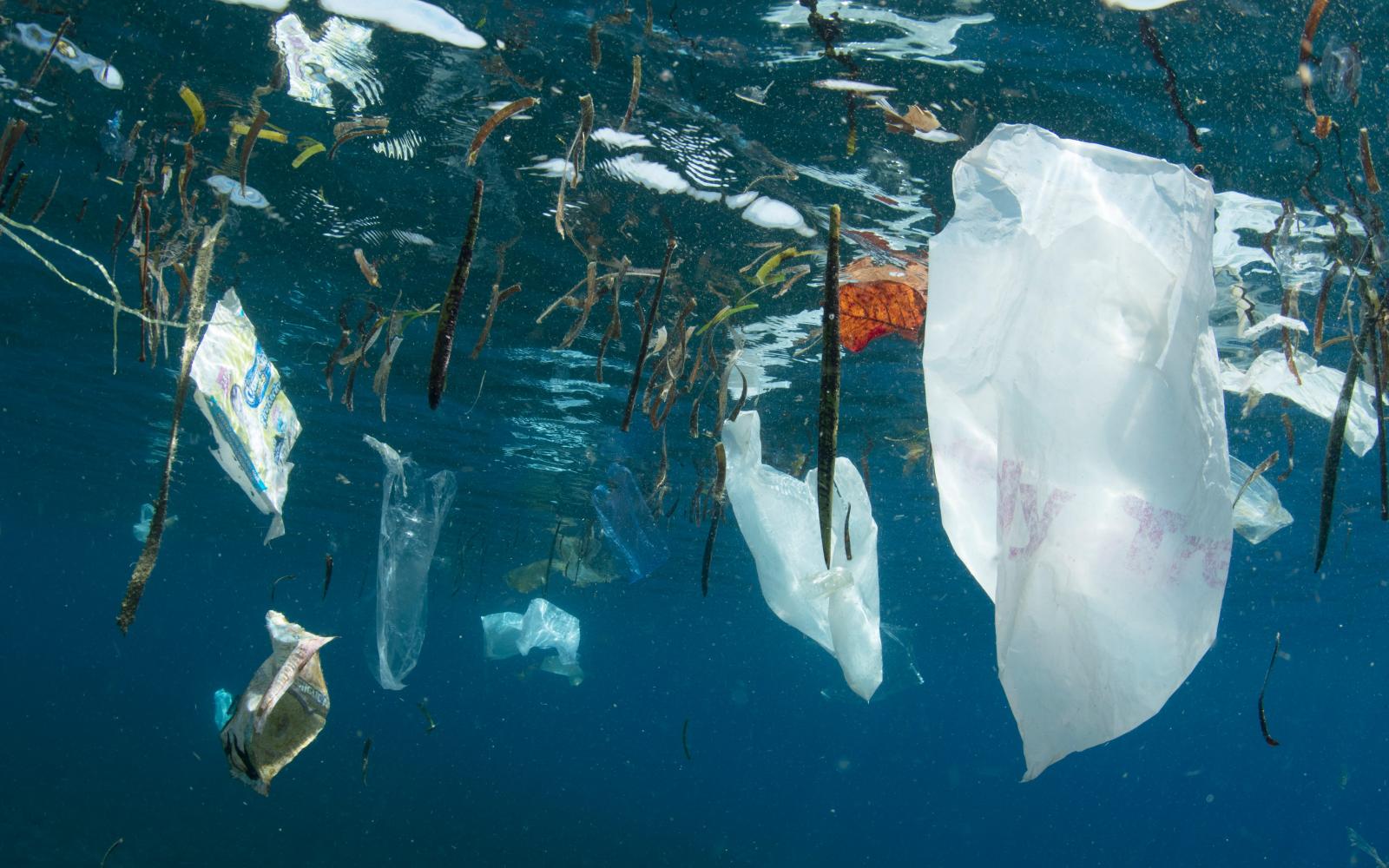
Nothing we throw away truly disappears. It travels, transforms, and returns. But a new kind of choice is quietly changing that reality.
The Illusion of “Away”
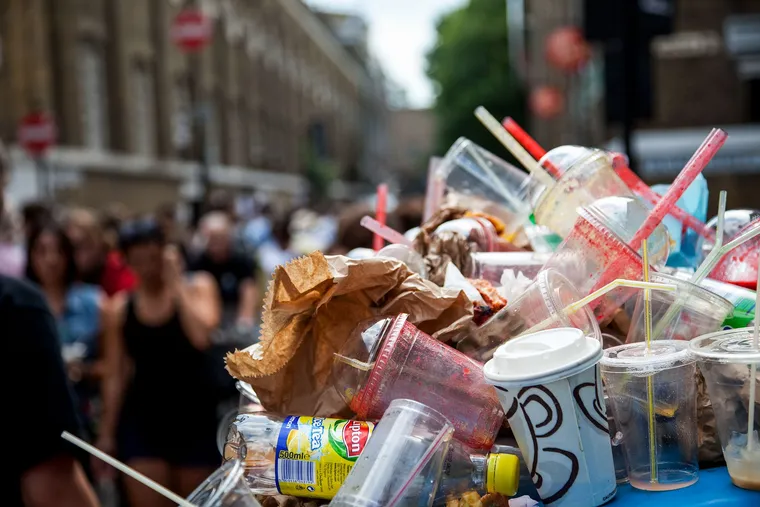
We live in a world of instant disposal.
A drink finished. A straw used. A gesture repeated without thought. Everything seems to vanish the moment it leaves our hands.
But there is no “away”.
Every discarded object begins a second life one we rarely see. Carried by wind, washed into drains, guided by rivers… until it reaches the ocean. There, it doesn’t disappear. It accumulates.
The ocean has become a silent archive of our daily habits.
Among the most overlooked contributors are plastic straws. Small, light, almost invisible yet produced and discarded in staggering quantities. Their size makes them easy to ignore, but impossible to manage. They slip through recycling systems and settle into ecosystems where they were never meant to be.
A Memory That Doesn’t Fade
Plastic was designed to last. And that is precisely the problem.
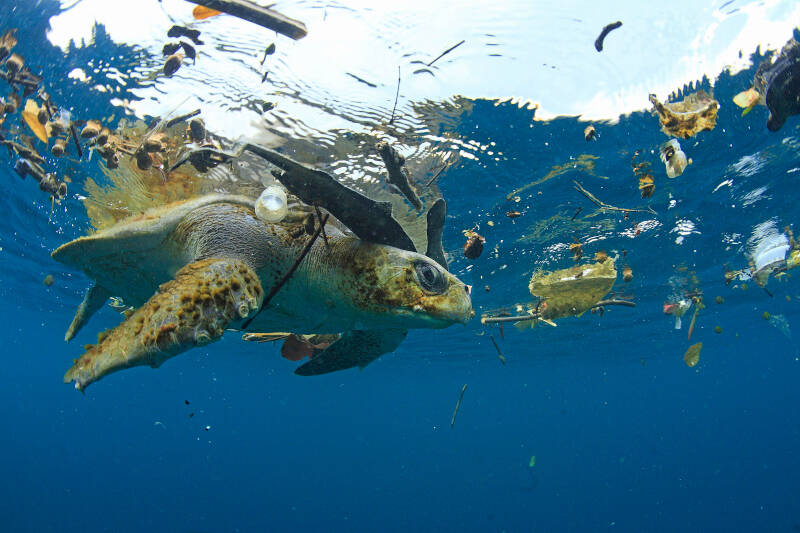
In the ocean, it fragments into microplastics tiny particles that spread across entire marine environments. What was once a single object becomes thousands, then millions of invisible traces.
Marine life cannot distinguish between what belongs and what doesn’t. A turtle mistakes plastic for jellyfish. A seabird feeds fragments to its chicks. Fish ingest particles that quietly move up the food chain.
What we forget becomes part of a system that remembers everything.
Rethinking the Ending
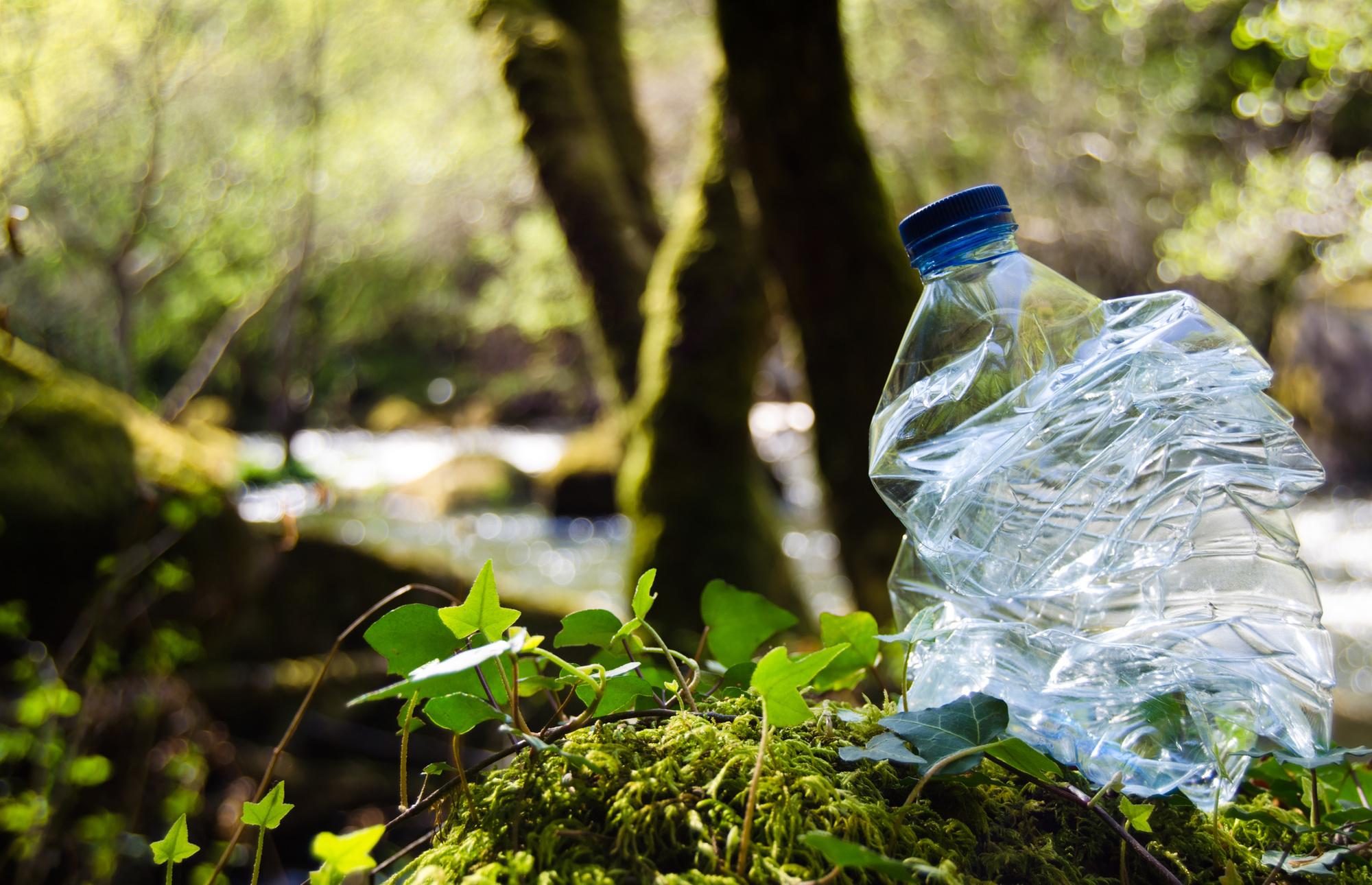
For decades, innovation has focused on performance, cost, and convenience. But rarely on what happens after.
What if design started at the end?
What if every object was created not only for use but for its disappearance?
This is where a new generation of materials begins to shift the narrative.
The Subtle Disruption of a Straw
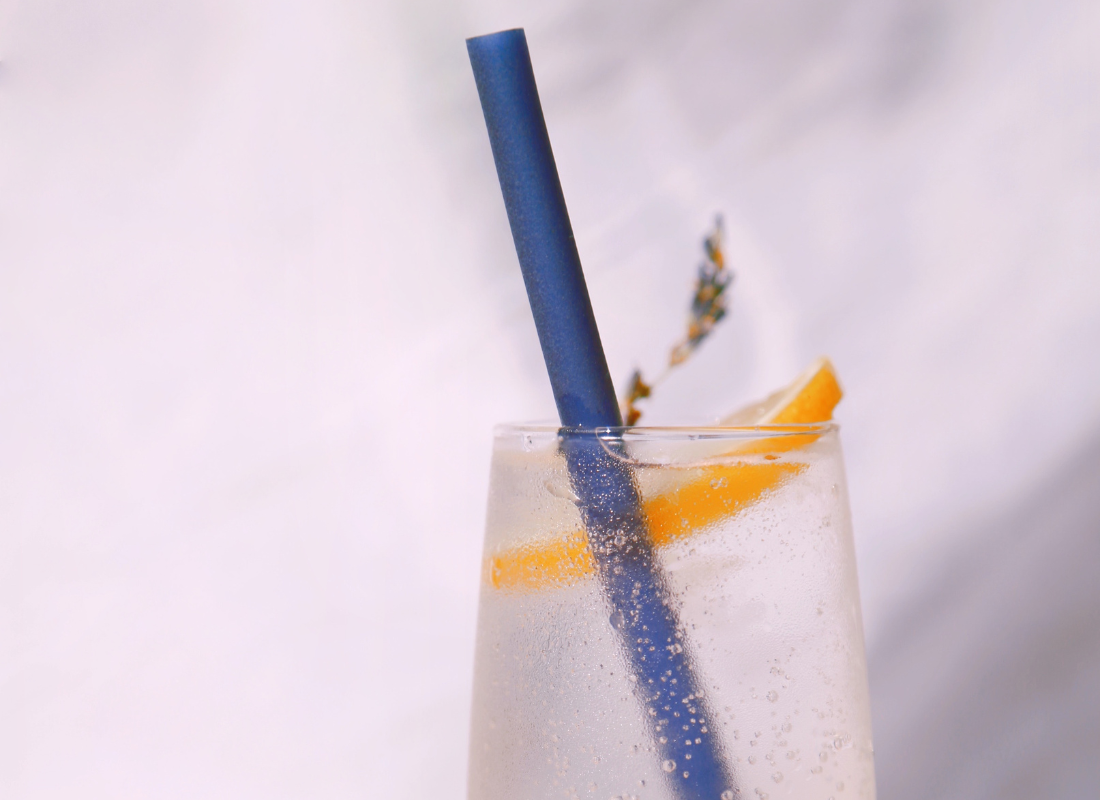
At first glance, the Happy Turtle Straw seems unremarkable. It does what every straw does—nothing more.
And yet, its real innovation lies beyond the moment of use.
Crafted from natural ingredients such as rice and tapioca, it is entirely plant-based. No plastic. No chemical binders. No complex processing requirements.
But its defining feature is its fate.
Instead of persisting for centuries, it naturally biodegrades in approximately 90 days. No industrial composting. No special conditions. Just time.
In a world where most materials are designed to resist nature, this one is designed to return to it.
From Object to Philosophy
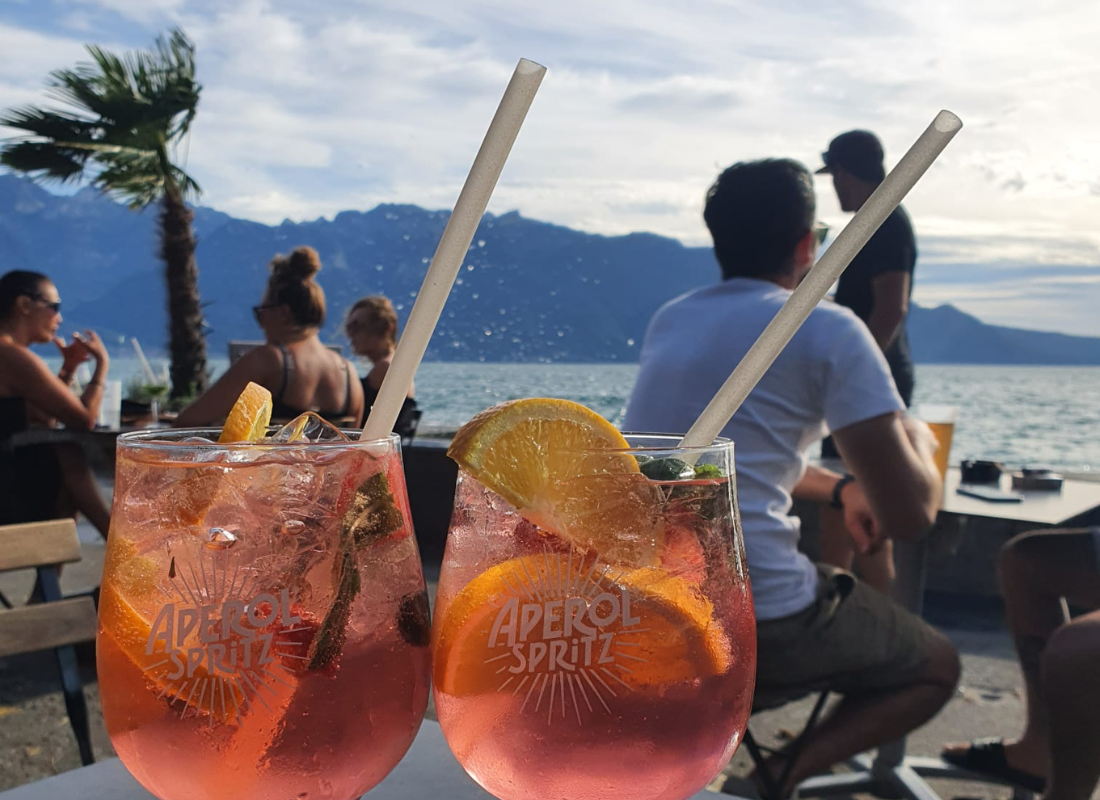
What makes this shift meaningful is not the product itself but what it represents.
A different way of thinking:
- Not just What does this do?
- But What does this leave behind?
Because the true cost of an object is rarely in its use but in its aftermath.
The Happy Turtle Straw doesn’t attempt to solve the entire plastic crisis. It addresses something smaller and, in doing so, something fundamental.
The Power of Repetition
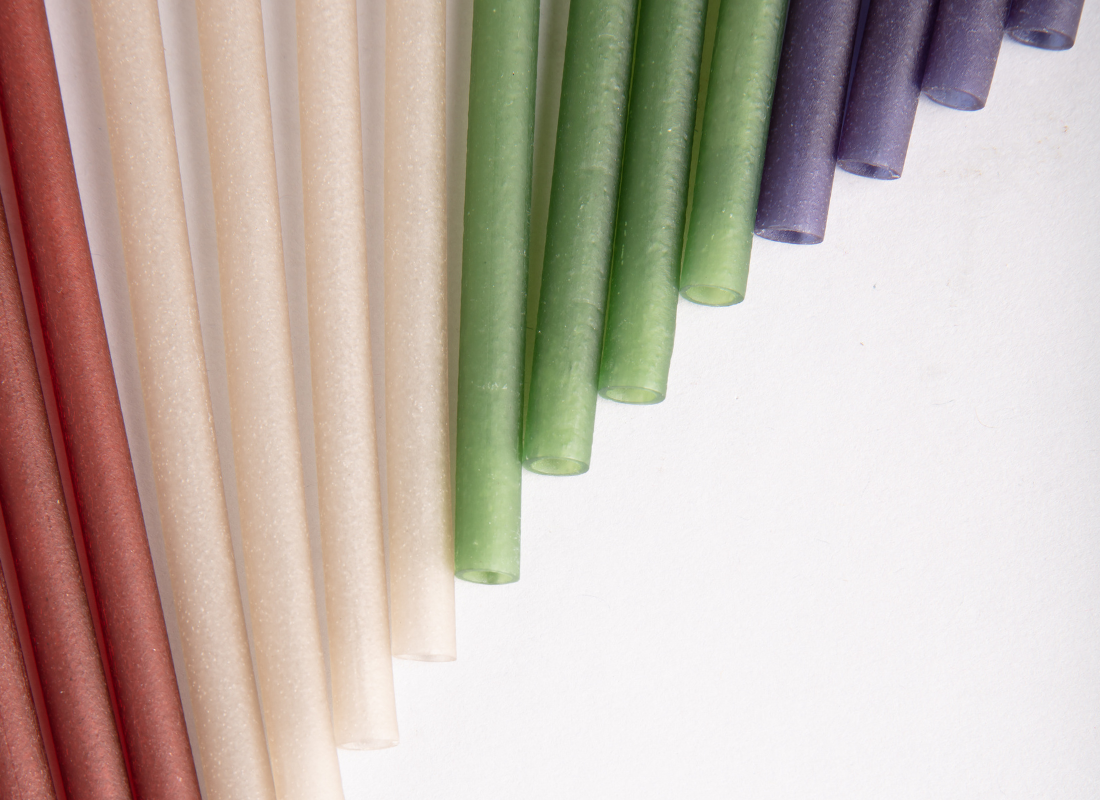
A single straw is insignificant.
But billions are not.
The scale of environmental impact is not built on isolated actions, but on repetition. Small behaviors, multiplied across cities, countries, and continents.
And that is precisely why they matter.
Change, at its most effective, is not always dramatic. Sometimes, it is quiet. Almost invisible. A simple substitution repeated enough times to alter the outcome.
What the Ocean Will Remember

The ocean reflects us. Not our intentions but our actions.
For years, it has carried the weight of what we chose to ignore. Plastic that lingers. Waste that accumulates. Consequences that outlast their cause.
But memory is not fixed.
With every alternative we adopt, every material we rethink, every habit we adjust—we begin to change what is left behind.
Because in the end, the ocean will remember.
The only question is :
what do we want it to remember? 🌊🐢🌱