The Shift Away from Plastic Is Only the Beginning
Over the past decade, the hospitality industry has taken decisive steps to eliminate single-use plastics, with straws becoming one of the most visible symbols of that transition. For many businesses, switching away from plastic was a quick operational change—often replaced with paper as the default alternative.
However, as sustainability expectations mature, both from regulators and increasingly informed guests, it’s becoming clear that simply replacing plastic is not enough. The next challenge for hospitality operators is choosing alternatives that not only reduce environmental impact but also perform effectively in real-world service conditions.
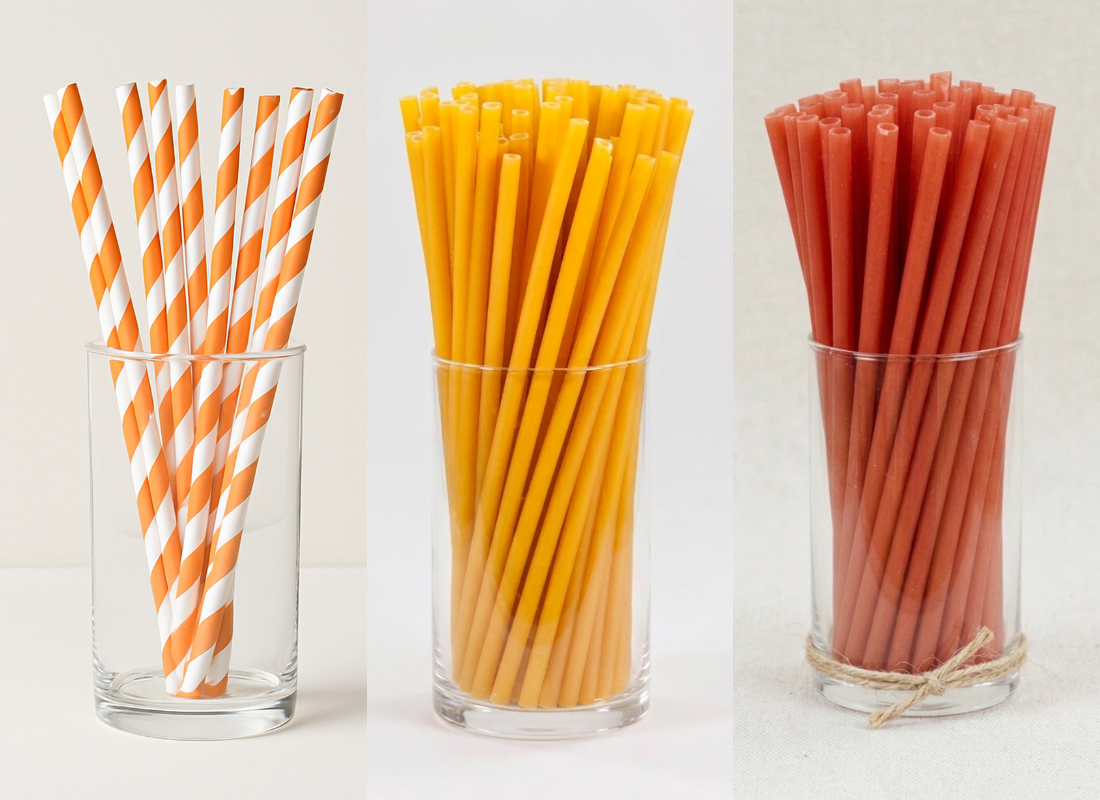
This is where the conversation has expanded beyond paper to include newer materials such as pasta and rice. While all three are marketed as sustainable, their actual performance, cost efficiency, and guest experience vary significantly.

Paper Straws: A Quick Fix with Long-Term Drawbacks
Paper straws were widely adopted because they offered an immediate and accessible solution to plastic bans. They are inexpensive, easy to source, and widely recognized by consumers as an environmentally conscious choice. For many businesses, they checked the necessary compliance boxes without requiring major operational changes.
But in practice, paper straws often fall short where it matters most: the guest experience. Their tendency to soften and lose structure within a short period—especially in cold drinks—can create frustration for customers. A drink that should be enjoyed over time becomes a race against the straw’s durability.
This performance issue has operational consequences as well. Staff are frequently required to replace straws, increasing overall consumption and, ironically, waste. What appears cost-effective at the unit level can become inefficient when viewed across an entire service cycle.
From an environmental standpoint, paper straws are not as straightforward as they seem. Their production involves significant use of water, energy, and raw materials such as wood pulp. In some cases, chemical treatments are applied to improve durability, which can complicate their biodegradability.
As a result, paper straws are increasingly seen as a transitional solution—a necessary first step, but not a long-term answer for businesses aiming to optimize both sustainability and service quality.

Pasta Straws: Innovative but Operationally Limited
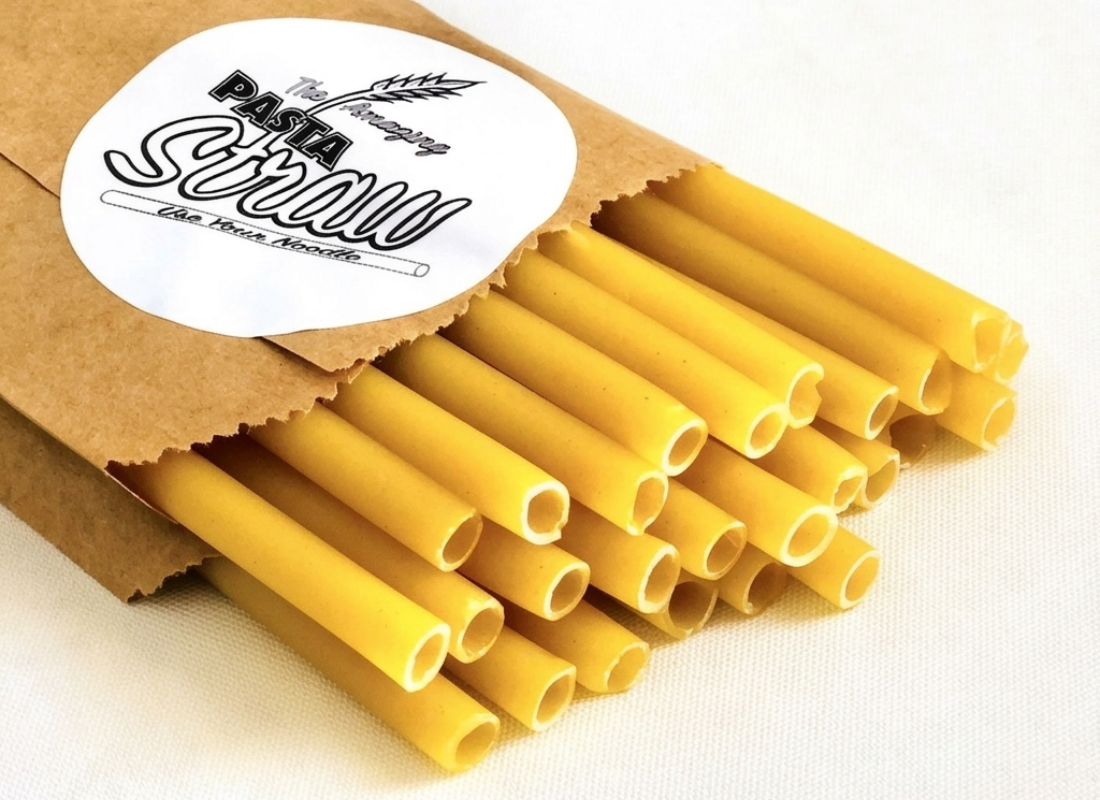
Pasta straws represent a more creative approach to sustainability. Made from durum wheat, they introduce a novel and often memorable element to the drinking experience. In certain settings—particularly cocktail bars, boutique hotels, or concept-driven venues—this uniqueness can enhance brand identity and create a talking point for guests.
Functionally, pasta straws perform better than paper in terms of durability. They maintain their structure for longer periods in cold beverages and do not break down as quickly. Their biodegradable and edible nature also aligns well with environmentally conscious positioning.
However, this innovation comes with clear limitations. The presence of gluten makes them unsuitable for some guests, requiring additional awareness and communication from staff. They are also less versatile, as they are not designed for hot beverages, which restricts their usability across a full menu.
Cost and scalability present further challenges. Pasta straws are generally more expensive than paper and are not always available in the volumes required for large-scale operations such as hotels, resorts, or high-traffic restaurants.
In this sense, pasta straws function best as a niche or experiential solution rather than a universal replacement.
Rice Straws: A Practical and Scalable Upgrade
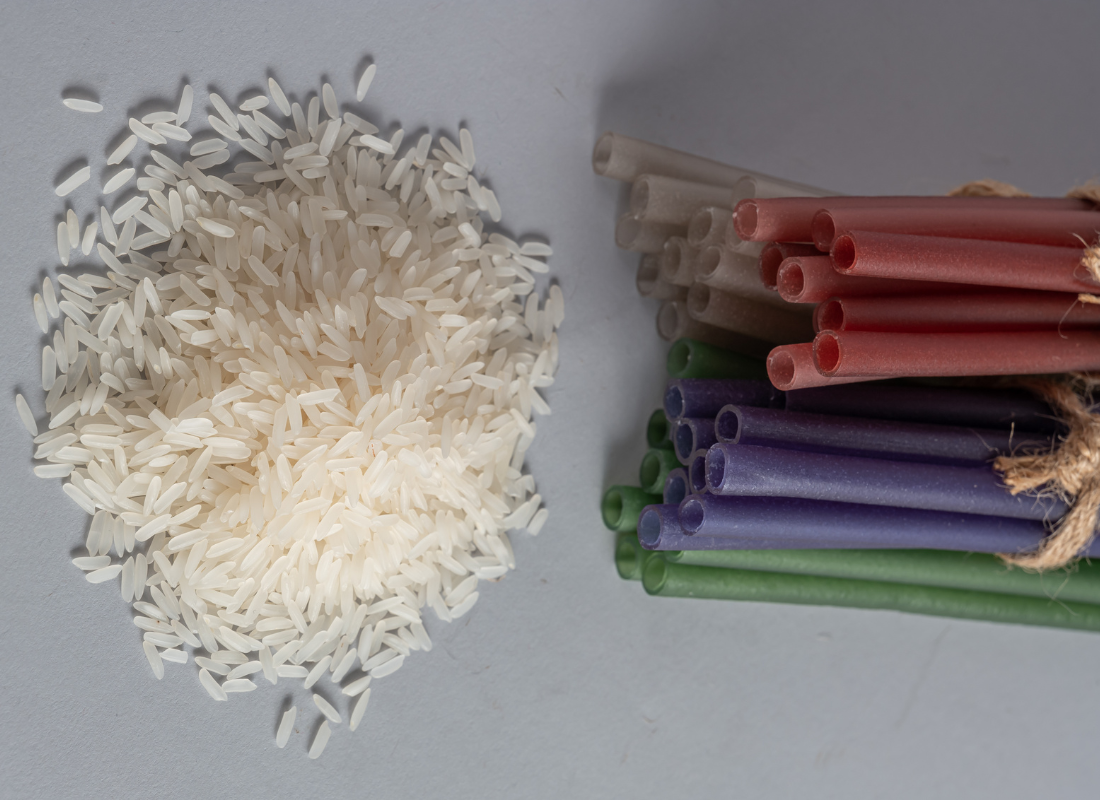
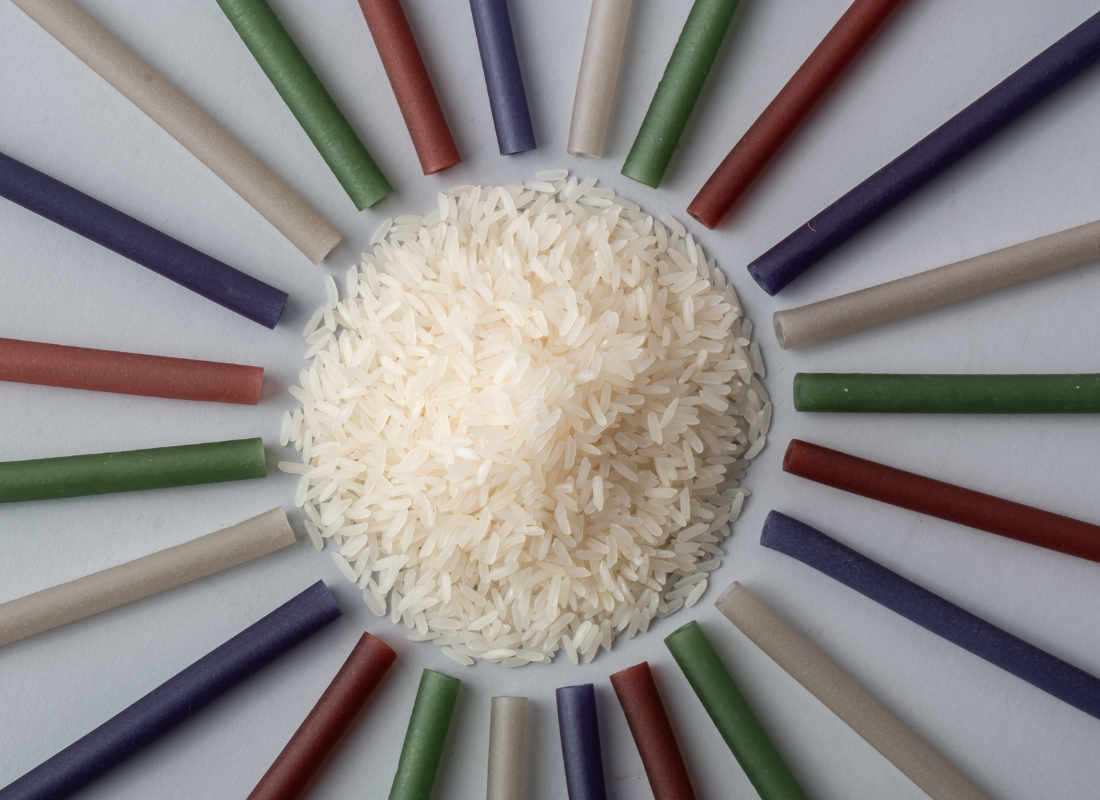
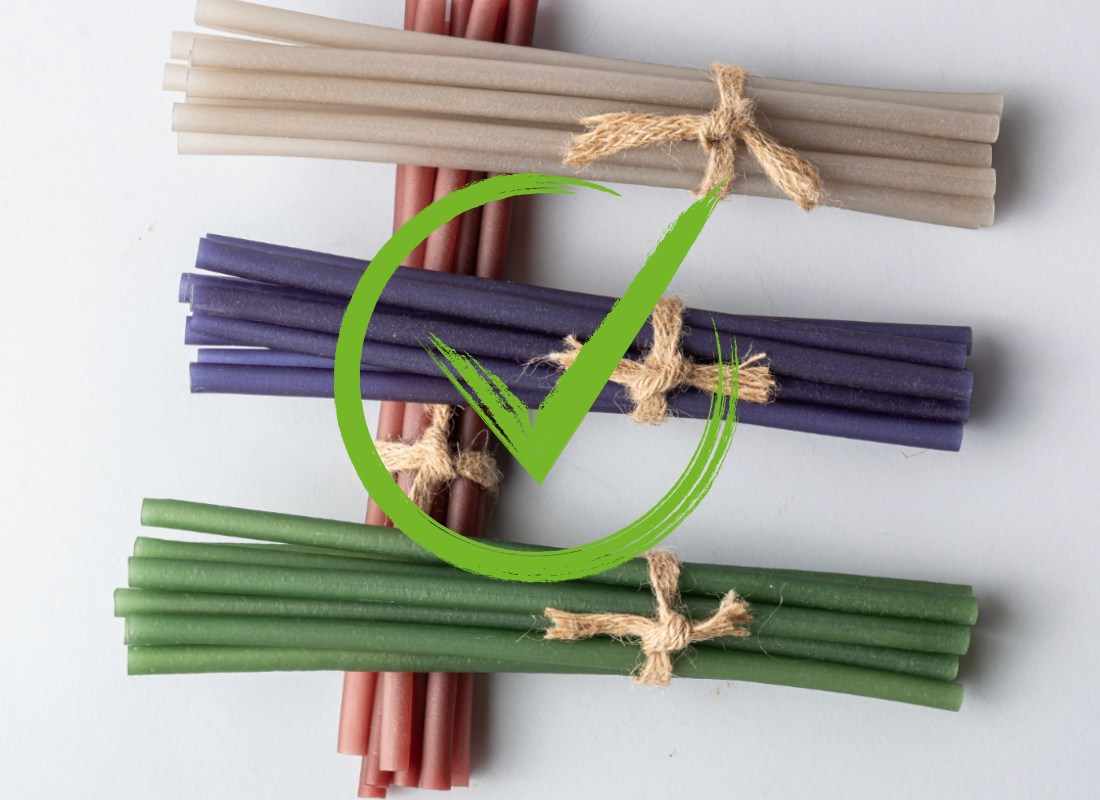
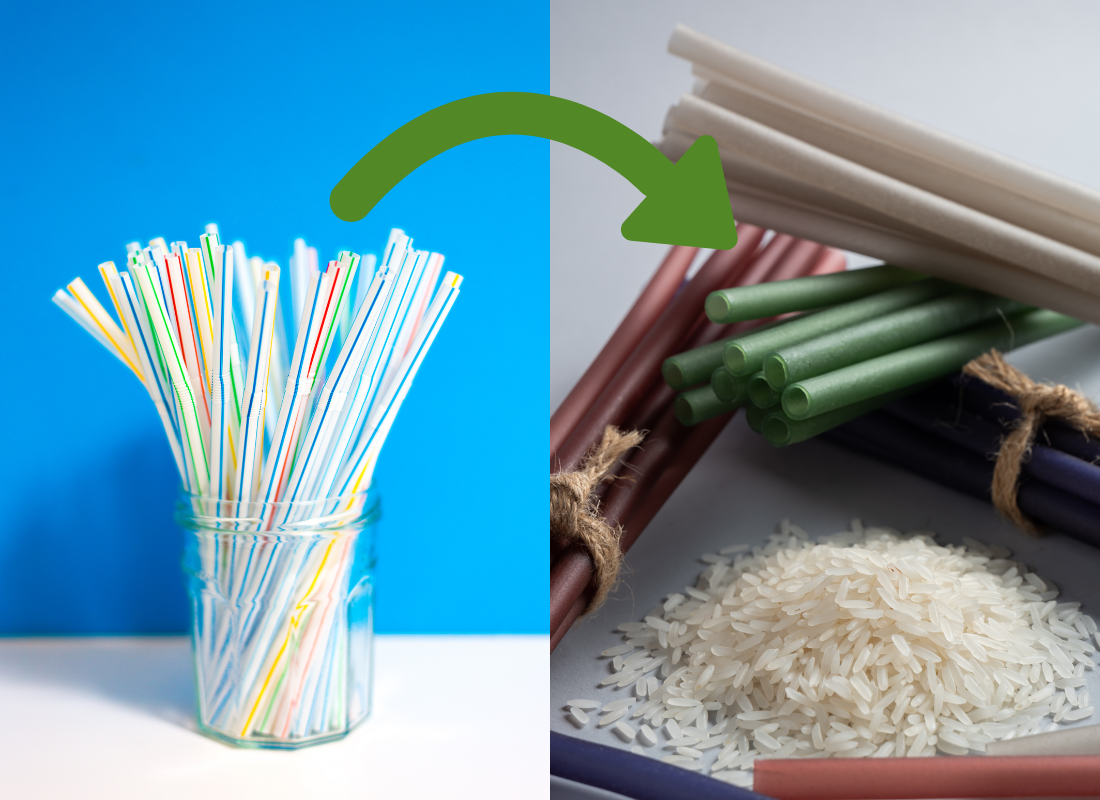
Rice straws are increasingly emerging as the most balanced and forward-thinking option available to hospitality businesses. Made from rice flour and tapioca starch, they offer a fundamentally different approach—one that integrates sustainability with performance rather than compromising between the two.
One of the most significant advantages of rice straws is their durability. Unlike paper, they maintain their structure for extended periods, often lasting the entire duration of a drink without softening or collapsing. This immediately improves the guest experience, eliminating one of the most common complaints associated with sustainable straws.
At the same time, rice straws are highly versatile. They can be used in both hot and cold beverages, making them suitable for a wide range of applications—from cocktails and soft drinks to coffee and tea. This flexibility simplifies operations and reduces the need for multiple straw types.
From a sustainability perspective, rice straws stand out because they can be produced using existing agricultural outputs, such as broken rice grains that would otherwise be underutilized. This means no additional land, water, or intensive resource inputs are required to grow new raw materials specifically for straw production.
This alignment with circular economy principles gives rice straws a distinct advantage. Rather than simply replacing one material with another, they contribute to reducing waste within existing systems.
Operationally, their longer lifespan also translates into lower overall consumption. Even if the upfront cost is higher than paper, the reduced need for replacements can improve cost efficiency over time. Combined with a better customer experience, this makes rice straws a more strategic investment rather than just a procurement decision.
Head-to-Head Comparison
Paper Straws:
•Low cost and widely available
•Poor durability and frequent replacements
•Higher resource use in production
Pasta Straws:
•Better durability than paper
•Unique and biodegradable
•Limited by allergens, cost, and scalability
Rice Straws:
•Strong durability with consistent performance
•Suitable for both hot and cold drinks
•Made from agricultural byproducts, supporting waste reduction
•Best balance of sustainability, usability, and long-term cost efficiency

What This Means for Hospitality Operators
Choosing the right straw is no longer just about removing plastic—it is about selecting a solution that aligns with broader operational and sustainability goals.
Paper straws may still serve as a baseline option for businesses focused primarily on compliance and cost control. Pasta straws can add value in specific, experience-driven environments where differentiation is key.
However, for operators looking to future-proof their business, rice straws offer a more comprehensive solution. They address the core challenges that have limited earlier alternatives, combining durability, versatility, and environmental responsibility in a way that supports both day-to-day operations and long-term brand positioning.
The Future of Sustainable Service
The evolution of straws in hospitality reflects a larger shift in how the industry approaches sustainability. Quick fixes are being replaced by more thoughtful, system-level solutions that consider the full lifecycle of products and their impact on both the environment and the guest experience.
In this context, rice straws are not just another alternative—they represent the next stage of that evolution. They move beyond simply avoiding harm and toward actively improving how resources are used.
Final Verdict
While paper and pasta straws each have their place, rice straws stand out as the most effective all-around solution for modern hospitality businesses.
They deliver where it matters most: consistent performance, improved guest satisfaction, and a genuinely lower environmental footprint.
For businesses that want to go beyond compliance and position themselves at the forefront of sustainable service, rice straws are not just an option—they are the clear next step.