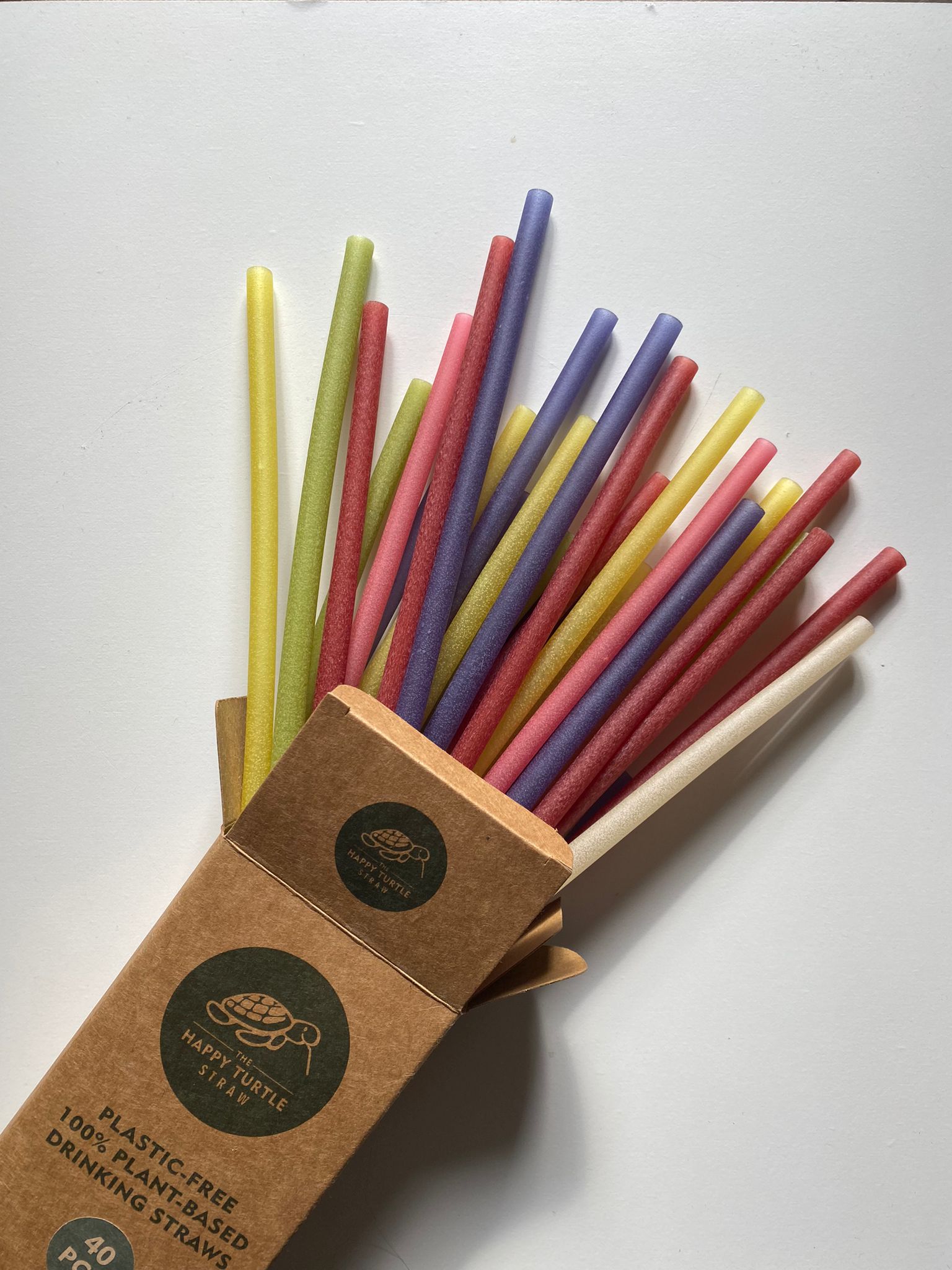
How a single straw became the symbol of a generation’s fight for cleaner oceans and a model for what sustainable business can look like.
The straw that started it all made from rice and tapioca, zero plastic, zero compromise.
It seems almost absurd, at first. That a straw something you hold for a few minutes, sip through once, and toss could be the thing that changes how an industry thinks about waste. But that is exactly the premise behind The Happy Turtle Straw. Not an app. Not a movement. A straw. A small, humble, tubular object. And yet, the ambition behind it is anything but small.
The company was born from a moment of collective outrage: a video of a sea turtle with a plastic straw lodged in its nostril, watched by millions of people around the world. Most people felt the pain of that image for a day or two, then moved on. The founders of The Happy Turtle Straw did not. They asked a different question — not “isn’t this terrible?” but “what are we going to do about it?”
The detail that everyone ignored
For decades, the straw sat at the bottom of the sustainability conversation. We talked about cars, factories, flights. We debated packaging and fast fashion. But the straw? Too small. Too trivial. Barely worth mentioning.
That invisibility is precisely what made it dangerous. Over 500 million plastic straws are used every single day worldwide. Most end up in landfills or waterways. They do not biodegrade they photodegrade, breaking into microplastics that enter the food chain, the ocean floor, the bodies of marine animals. The detail was never small. We just chose not to look at it.
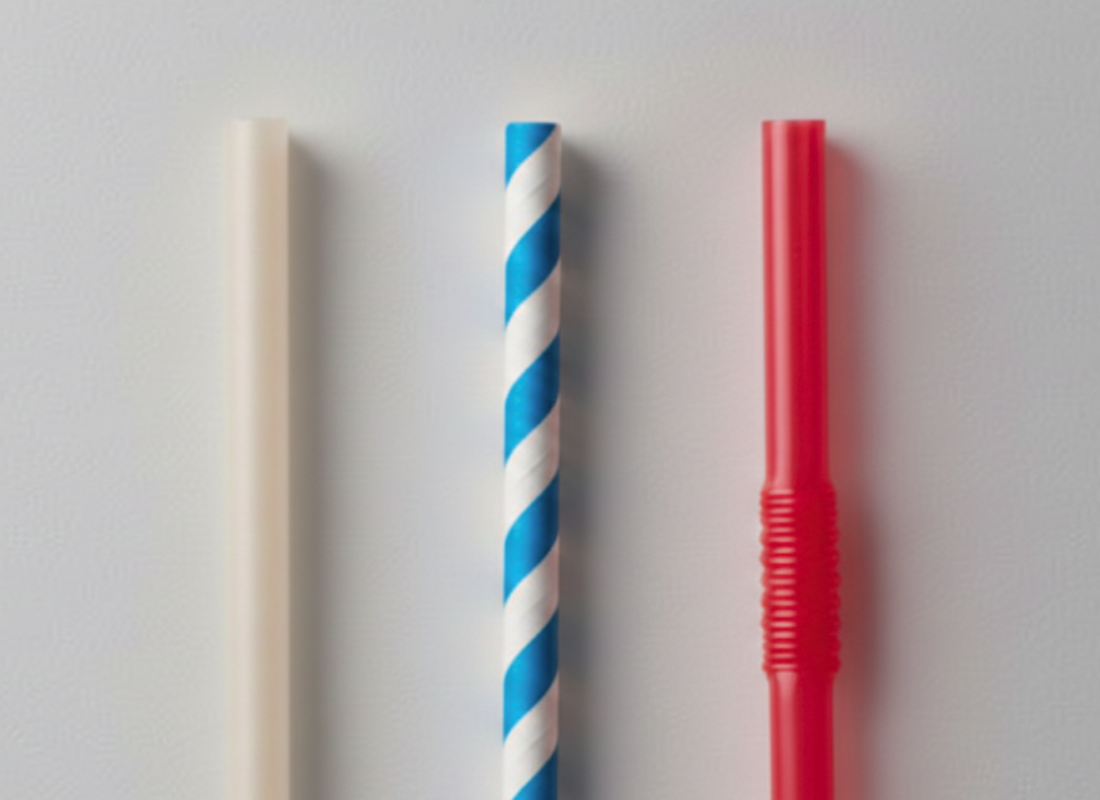
Left: a straw that vanishes in nature in under 90 days. Right: the same straw, performing flawlessly in your glass for 2+ hours.
A product that earns its place
The Happy Turtle Straw team understood that good intentions are not enough. The graveyard of sustainable innovation is filled with products that failed not because people didn’t care but because the products didn’t work well enough. Paper straws disintegrate. Metal straws burn lips and taste wrong. Bamboo straws splinter. Bio-plastic straws take years to break down and often require industrial composting facilities to do so.
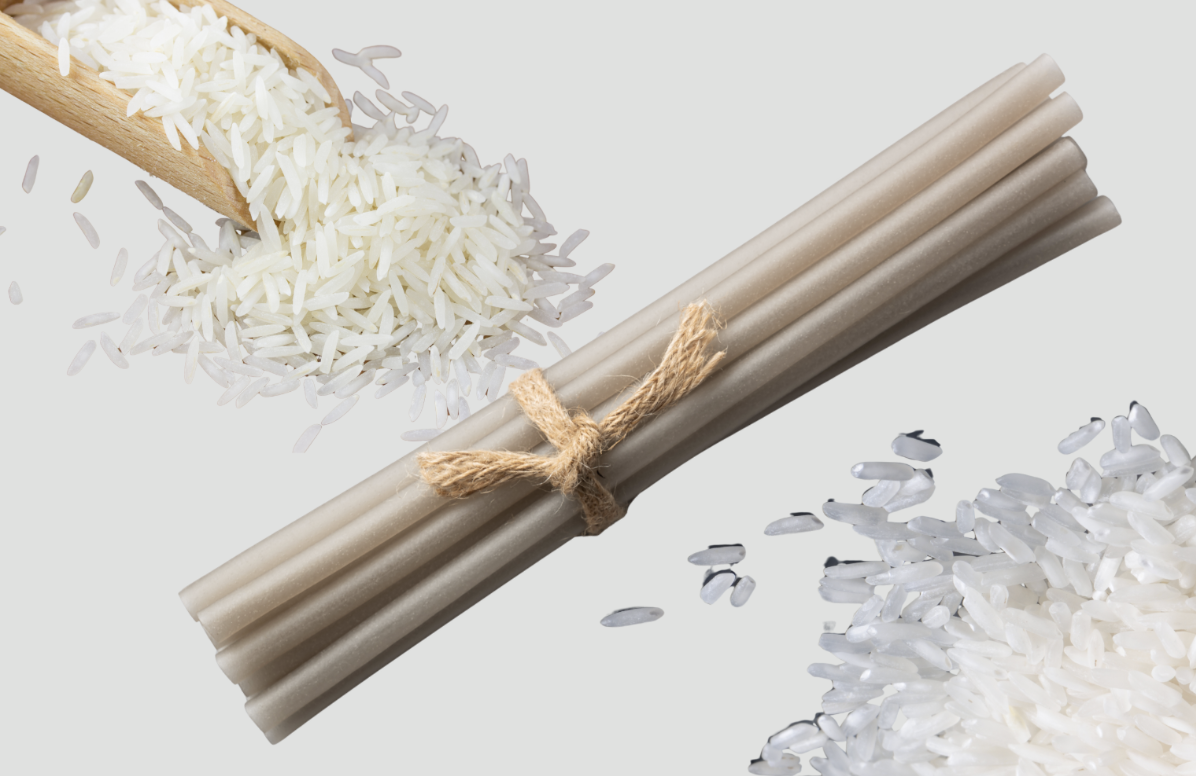
So the question was not just “can we replace plastic?” but “can we build something that people actually prefer?” The answer is a straw made from just two ingredients: rice and tapioca. Nothing else. No chemicals. No additives. No compromise.
The result is a straw that outlasts a meal, adds no flavour to a drink, and disappears in nature before most people have thought about replacing their phone case. If it ends up in the ocean and The Happy Turtle Straw team knows, painfully, that some will it causes no harm. Marine animals can eat it. Children can too. That is not a marketing line. That is a design requirement.
Vision beyond the product

What distinguishes The Happy Turtle Straw from a clever product company is the clarity of its long-term vision. The straw is not the end it is the proof of concept. The company’s declared mission is to manufacture and distribute the next generation of single-use products designed to protect our forests, our oceans, and wildlife. The straw is step one. The vision is much larger.
The company directly contributes to 5 UN Sustainable Development Goals: responsible consumption and production (SDG 12), climate action (SDG 13), life below water (SDG 14), life on land (SDG 15), and partnerships for the goals (SDG 17). These are not decorative certifications. They are the operating framework of the business.
Progress, measured honestly

One of the most disarming things about The Happy Turtle Straw is its transparency about scale. They do not pretend to have solved plastic pollution. They measure their progress, share it publicly, and keep going. Here is where they stand today:
Why “small detail” is the whole point
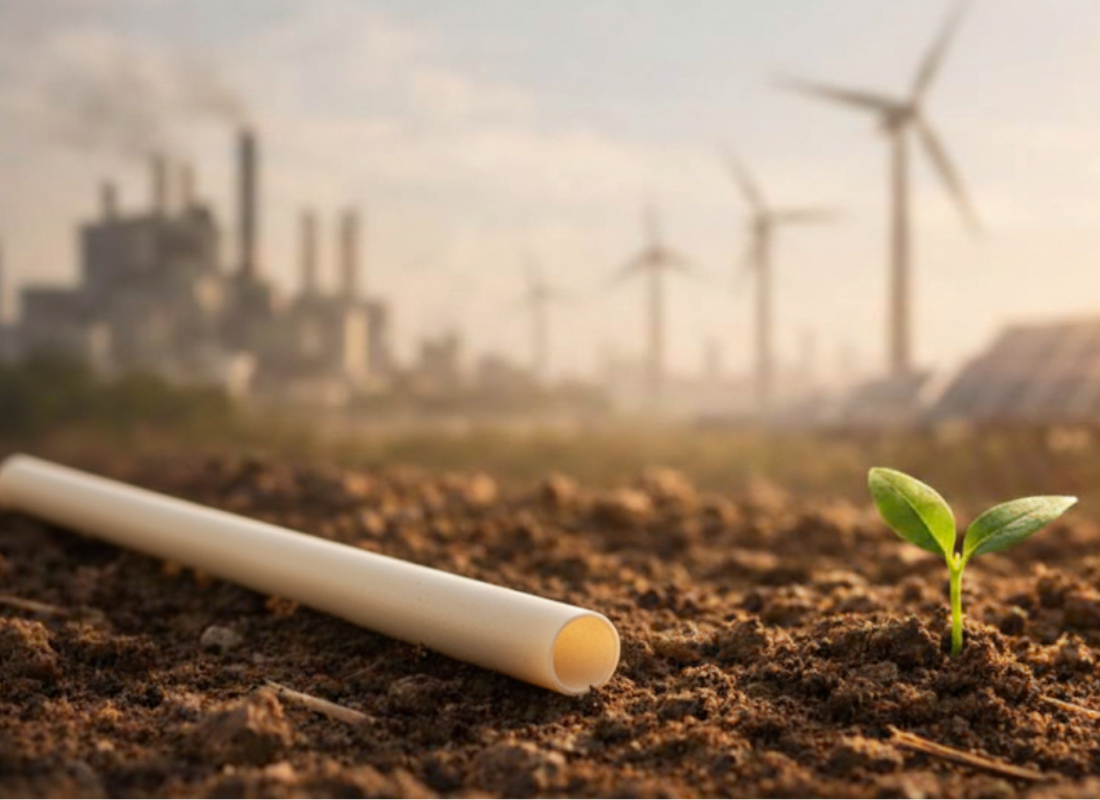
There is a tendency in sustainability conversations to gravitate toward the grand gesture. The solar farm. The electric fleet. The carbon offset. These things matter but they can also create a comfortable distance from personal responsibility. The Happy Turtle Straw operates in the opposite direction. It says: start here. Start with the thing in your hand. Start with the object you use without thinking.
Because here is the truth about systems change: it rarely starts with a policy. It starts with a product, in a restaurant, held by a customer who notices something different about their drink — and asks why. That conversation, repeated across 150 businesses and millions of straws, is how a norm shifts. That is how the detail becomes the impact.
The Happy Turtle Straw is betting that when people experience a product that is genuinely better better for them, better for the planet, better for every living thing that shares the ocean they do not go back. And so far, that bet is paying off.