🧮 The Math Nobody Does
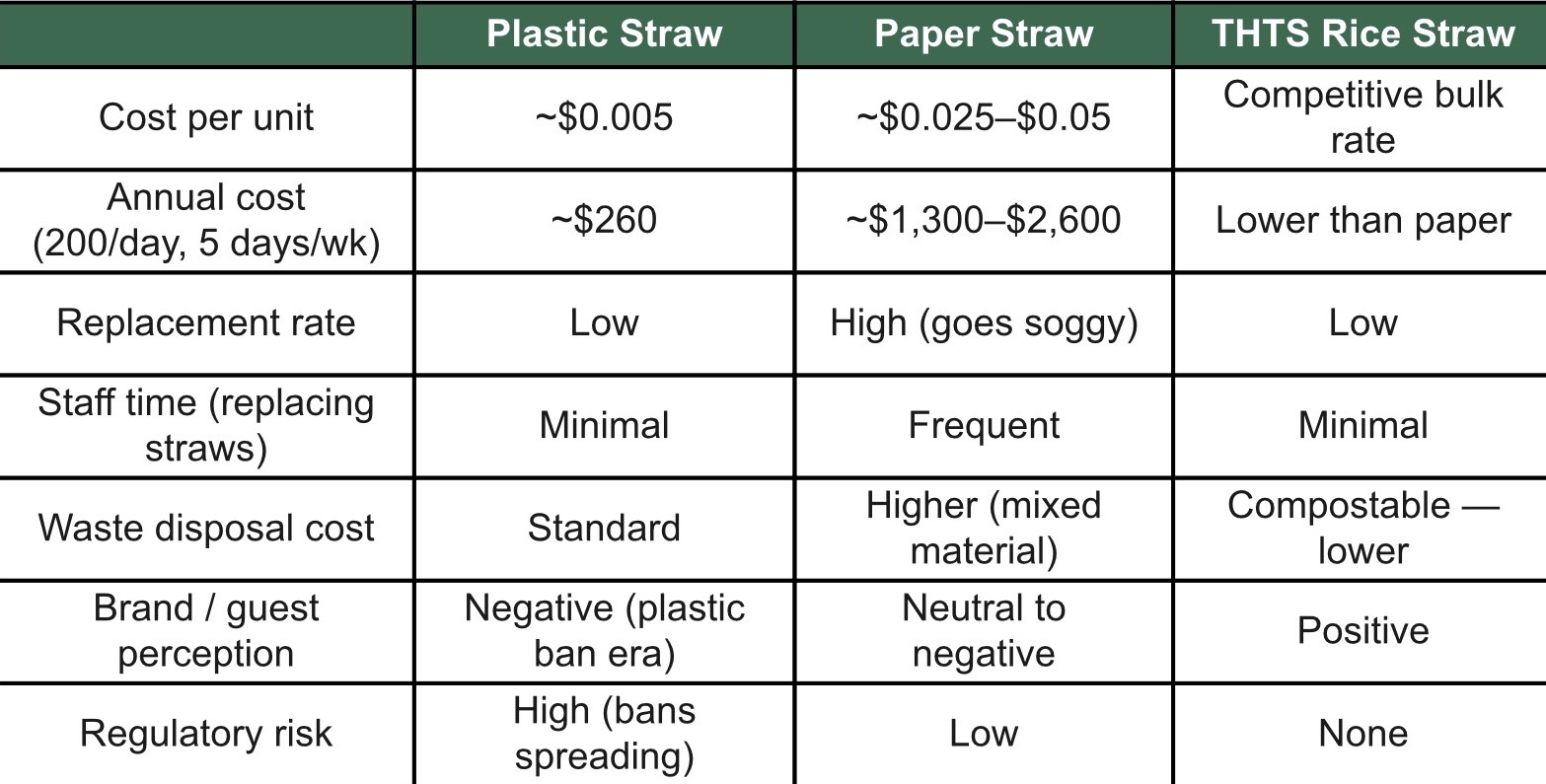
A mid-size restaurant serving 200 drinks a day, five days a week, goes through roughly 52,000 straws a year. At the standard bulk rate for plastic straws — around $0.005 per unit — that’s about $260 annually. Cheap enough to ignore, right?
Now factor in that many countries and cities have already banned plastic straws outright, forcing a switch to paper. Paper straws cost between $0.025 and $0.05 per unit in bulk — up to ten times more. Run the same numbers and that “free” straw line item jumps to between $1,300 and $2,600 per year. For a restaurant group with five locations, that’s potentially $13,000 in straw spend alone — before accounting for a single hidden cost.
And the per-unit price is just the beginning.
🕳️ The Costs Hidden in Plain Sight
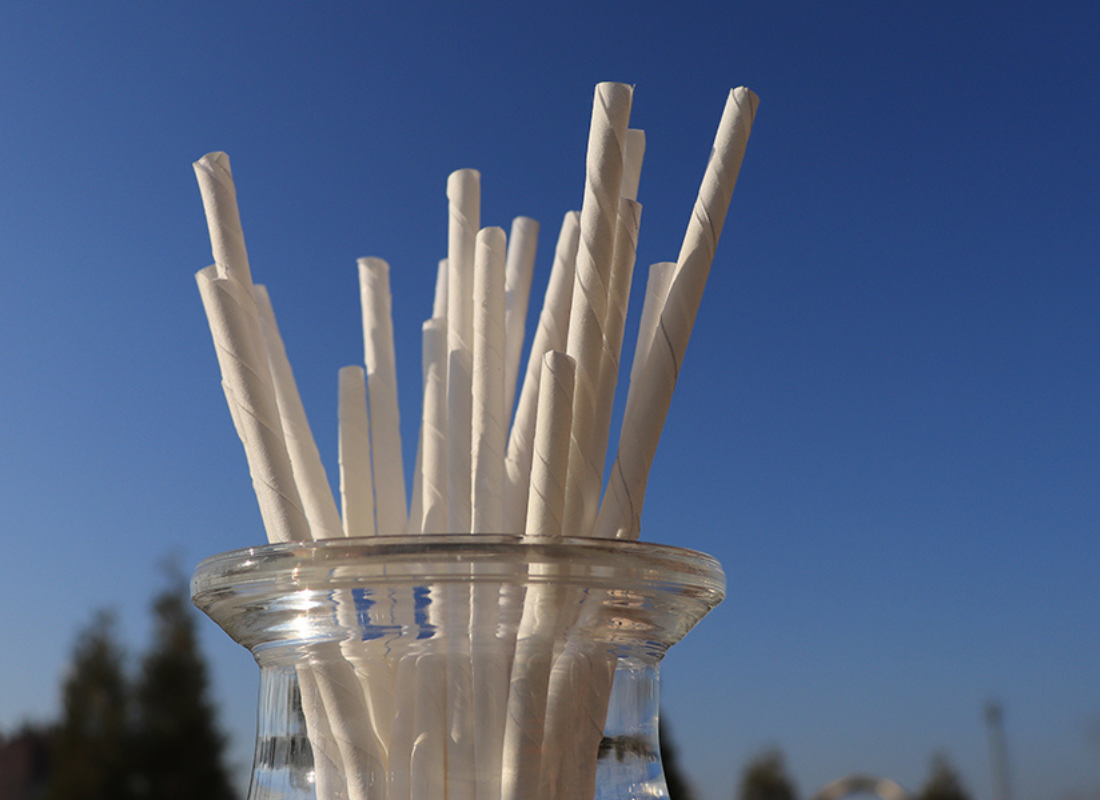
Paper straws have a durability problem. They go soggy. In cocktails, smoothies, and any drink consumed over more than a few minutes, paper straws degrade — meaning guests ask for replacements. Each replacement is a staff interruption, a service disruption, and an additional unit cost. In a busy Friday night service, those moments add up faster than any manager tracks.
Then there’s waste disposal. Paper straws are widely assumed to be recyclable, but many cannot be processed through standard recycling streams due to food contamination or the plant-based coatings used to slow sogginess. They often end up in general waste — carrying a disposal cost and none of the environmental benefit the switch was meant to deliver.
Storage is another overlooked factor. Paper straws are bulkier and more fragile than plastic, requiring more careful handling and more shelf space. Over-order and you tie up cash. Under-order and you’re making emergency purchases at premium prices mid-service.
None of these costs appear on the invoice. All of them show up on the bottom line.
📊 The Real Cost Comparaison
📈 The Cost of Doing Nothing
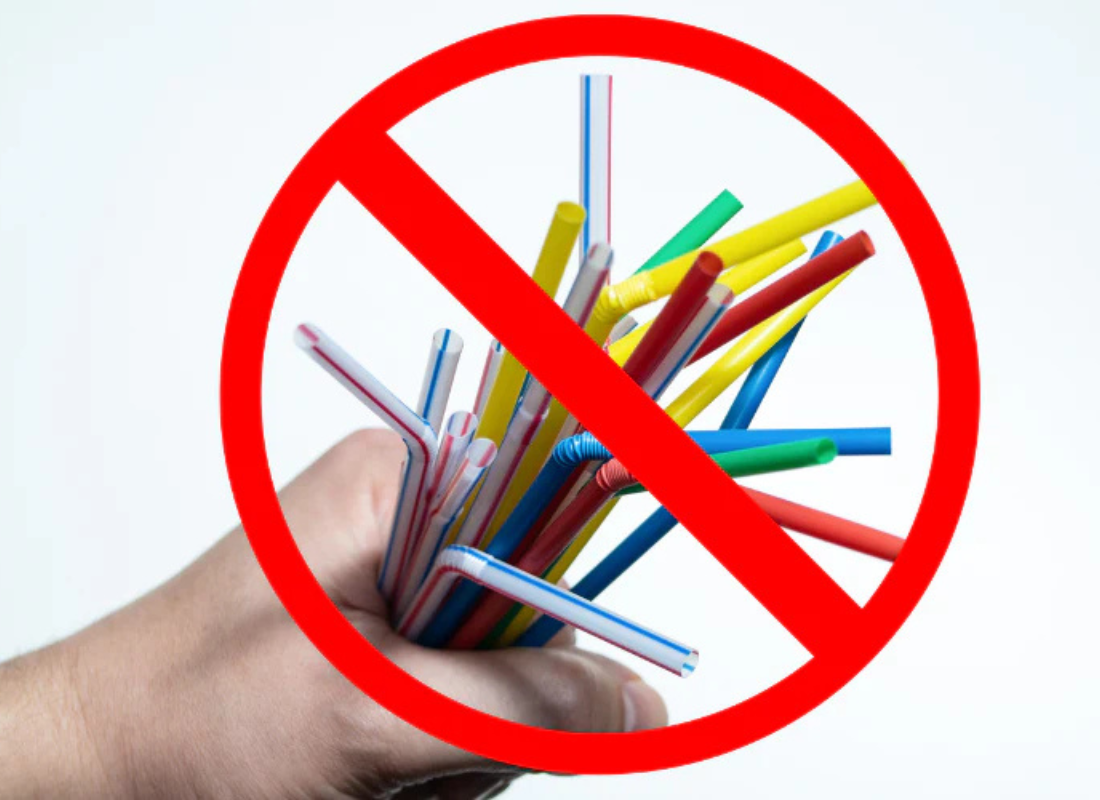
Plastic straw bans are not a distant policy discussion. They are already law across the European Union, the UK, Canada, and a growing list of US states and cities. Businesses still using plastic are not just making an environmental choice — they are taking on compliance risk. Fines, forced operational changes, and last-minute supplier switches all carry costs that dwarf any savings made on per-unit price.
The businesses that switched early didn’t just avoid those costs. They turned the switch into a brand asset. A plant-based, compostable straw on the table communicates something to guests before anyone says a word. That communication has commercial value — in repeat visits, in positive reviews, and in the growing segment of customers who actively choose where to spend based on sustainability credentials.
The cheapest straw is not the one that costs least per unit. It’s the one that costs least over time.
🎯 Final Thought: Rethink the Line Item
Straws are not free. They never were. The question is simply whether you are accounting for the full cost — or only the part that shows up on the supplier invoice. When you run the real numbers, the switch to The Happy Turtle Straw is not an eco gesture. It’s a straightforward business decision. One that costs less, performs better, and works with where the industry is heading — not against it.