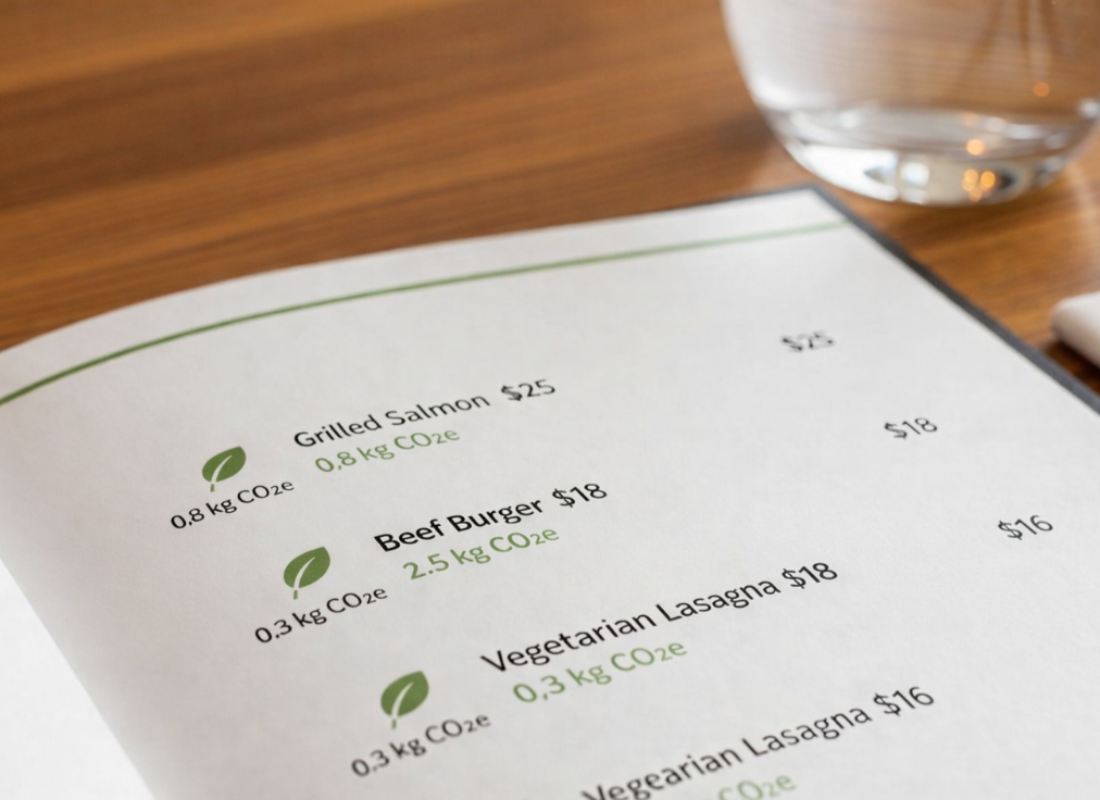
In hospitality, more choice often feels like better service. A longer menu signals abundance, creativity, and flexibility. It suggests that every guest will find something tailored to their taste. Yet behind the scenes, menu complexity carries hidden environmental consequences. As restaurants and hotels expand their offerings to meet growing expectations, sustainability often becomes harder to maintain.
When menus become too complex, food waste increases, supply chains stretch, energy consumption rises, and operational efficiency declines. The result is a quieter but measurable environmental cost.
1. Food Waste Increases — Often Dramatically
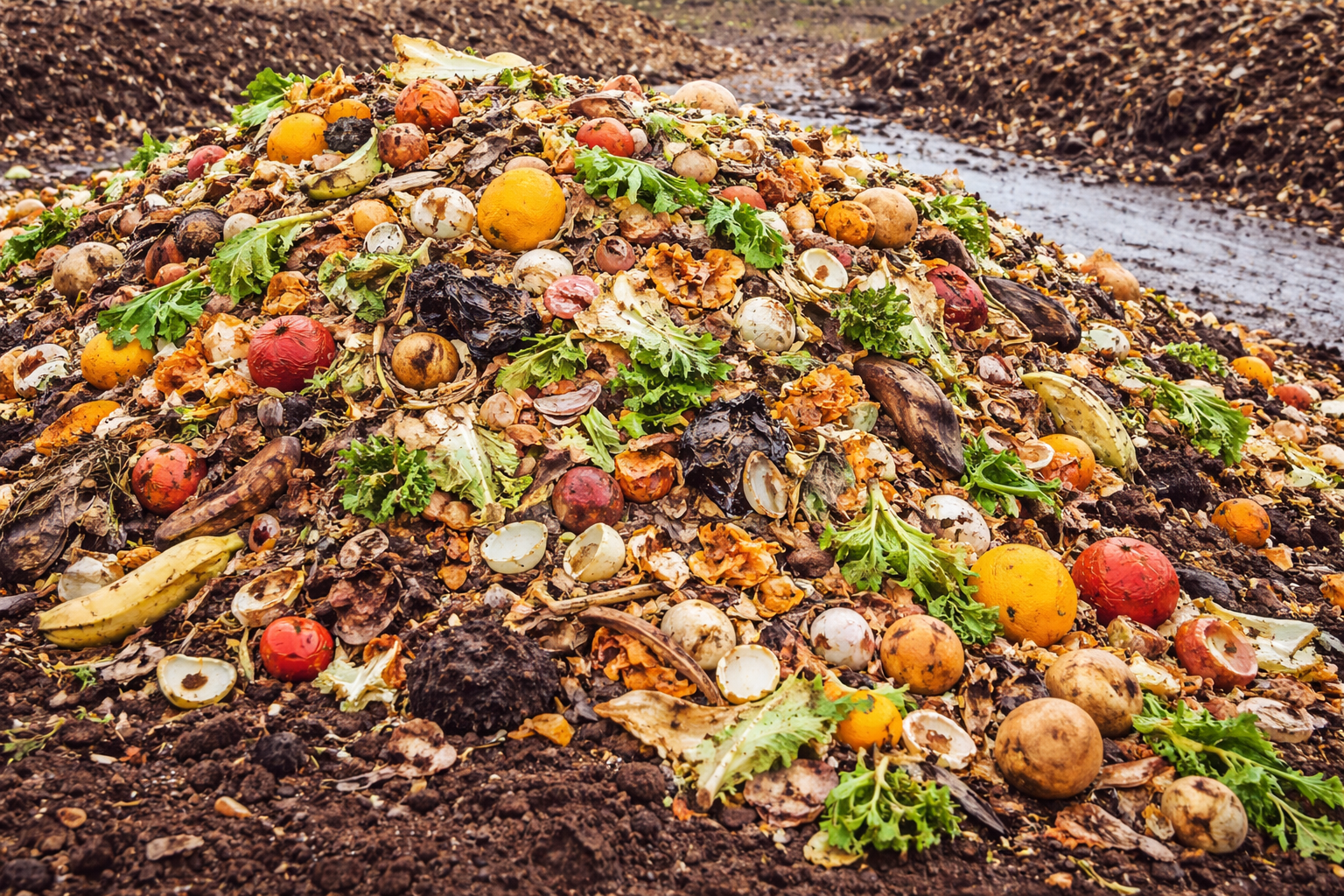
Each additional dish requires its own ingredients. While some components can be cross-utilized, many are highly specific: a garnish for one starter, a specialty sauce for a single entrée, or a rare ingredient featured in only one dish. When demand fluctuates, those niche ingredients are often the first to spoil.
The more items on the menu, the harder it becomes to predict inventory needs accurately. Kitchens frequently over-order to avoid disappointing guests. According to the , roughly one-third of all food produced globally is lost or wasted. Menu design directly influences this number in hospitality settings.
Waste is not just discarded food. It represents wasted water, land, energy, transportation, packaging, and labor.
2. Supply Chains Become Harder to Control
A focused menu allows for strategic sourcing, often centered on seasonal and regional suppliers. A complex menu, however, may require specialty imports and fragmented purchasing across multiple vendors.
This expansion increases transportation emissions, packaging waste, and dependency on long-distance logistics. It also reduces traceability. Sustainability depends on transparency, and the more dispersed a supply chain becomes, the harder it is to maintain oversight and environmental standards.

3. Energy Use in the Kitchen Rises
Every additional menu item can require different preparation techniques, cooking temperatures, or specialized equipment. Low-volume dishes may force multiple appliances to operate simultaneously for minimal output.
A streamlined menu enables batch cooking and efficient station management. In contrast, an overly diversified menu fragments workflows, increasing energy consumption and operational costs.

4. Inventory Management Becomes Reactive
Sustainable kitchens rely on predictability. Accurate forecasting allows chefs to order only what is needed and creatively use surplus ingredients. With too many menu items, sales data becomes scattered and harder to interpret.
To compensate for uncertainty, kitchens often build safety buffers into their orders. This “just in case” approach increases spoilage and weakens the alignment between sustainability and profitability.

5. Seasonal Alignment Weakens
Concise menus can adapt naturally to seasonal availability. When local produce is abundant, it features prominently. When it is out of season, it rotates off the menu.
Complex menus often rely on fixed dishes that must remain available year-round. This encourages out-of-season sourcing, greenhouse production, and long-distance imports. Seasonality is one of the most effective sustainability levers in food service, but it requires flexibility that complexity restricts.

6. Staff Execution Suffers
Large menus increase training demands and raise the likelihood of mistakes. When teams must master dozens of recipes, inconsistencies grow. Dishes may be incorrectly prepared and need remaking. Portion control becomes less precise.
Each error represents hidden waste — wasted ingredients, energy, and labor. Simplified menus allow teams to refine processes, reduce remakes, and improve consistency.

7. Sustainable Messaging Becomes Diluted
Menu engineering can influence more climate-friendly choices. The highlights how positioning and defaults can shift demand toward lower-impact meals, such as plant-based options.
However, these strategies are more effective within a concise, intentional menu. When offerings are excessive, sustainable dishes can lose visibility and impact among dozens of alternatives.
8. Financial and Environmental Goals Drift Apart
Sustainability and profitability are often aligned when operations are optimized. Fewer ingredients, stronger supplier relationships, and higher turnover typically reduce both costs and emissions.
Overly complex menus undermine this alignment by increasing waste, labor hours, and energy use simultaneously. What appears to be added value for guests can quietly erode margins and environmental performance.
A More Intentional Approach
Reducing complexity does not mean eliminating creativity. Variety can come from technique, seasonal rotation, and thoughtful ingredient cross-utilization rather than an ever-expanding list of dishes.
Sustainability in hospitality is often quiet. Guests may not notice shorter ingredient lists or improved forecasting systems, but these operational decisions carry significant environmental impact.
The essential question is not how many dishes can be offered. It is how much environmental cost each additional dish creates. In a resource-constrained world, intentional simplicity may be one of the most powerful sustainability strategies available to food and beverage leaders.