Plant-based menus are no longer just a sustainability statement—they are increasingly a strategic financial decision. Across the foodservice industry, operators are discovering that plant-based dishes can outperform traditional meat-based offerings in terms of margins, flexibility, and long-term cost stability.
But profitability in plant-based dining is not automatic. It comes from understanding the underlying cost structure, pricing dynamics, and operational efficiencies that distinguish plant-based menus from conventional ones.
This article breaks down exactly where the profit comes from—and where the risks still lie.
1. Lower Food Costs: The Core Margin Advantage
The most immediate financial benefit of plant-based menus is ingredient cost reduction.
Animal proteins—beef, poultry, seafood—are typically the most expensive components on a plate due to feed, land use, processing, and supply chain complexity. In contrast, plant-based ingredients like legumes, grains, and vegetables are significantly cheaper and more stable.
In practical terms:
- Traditional meat-based dishes often run ~30% food cost
- Plant-based dishes can drop as low as ~15% food cost
- This effectively doubles the gross margin potential on a single dish.
Why this matters:
- Lower input costs = higher contribution margin
- More flexibility to price competitively while protecting profit
- Reduced exposure to volatile meat pricing

2. Price Perception vs. Cost Reality
One of the most powerful—and often misunderstood—drivers of profitability is pricing psychology.
Consumers are frequently willing to pay:
- The same price as meat dishes
- Or even a premium for “healthy” or “sustainable” options
This creates a margin gap:
- Low production cost
- High perceived value
- However, there’s nuance here.
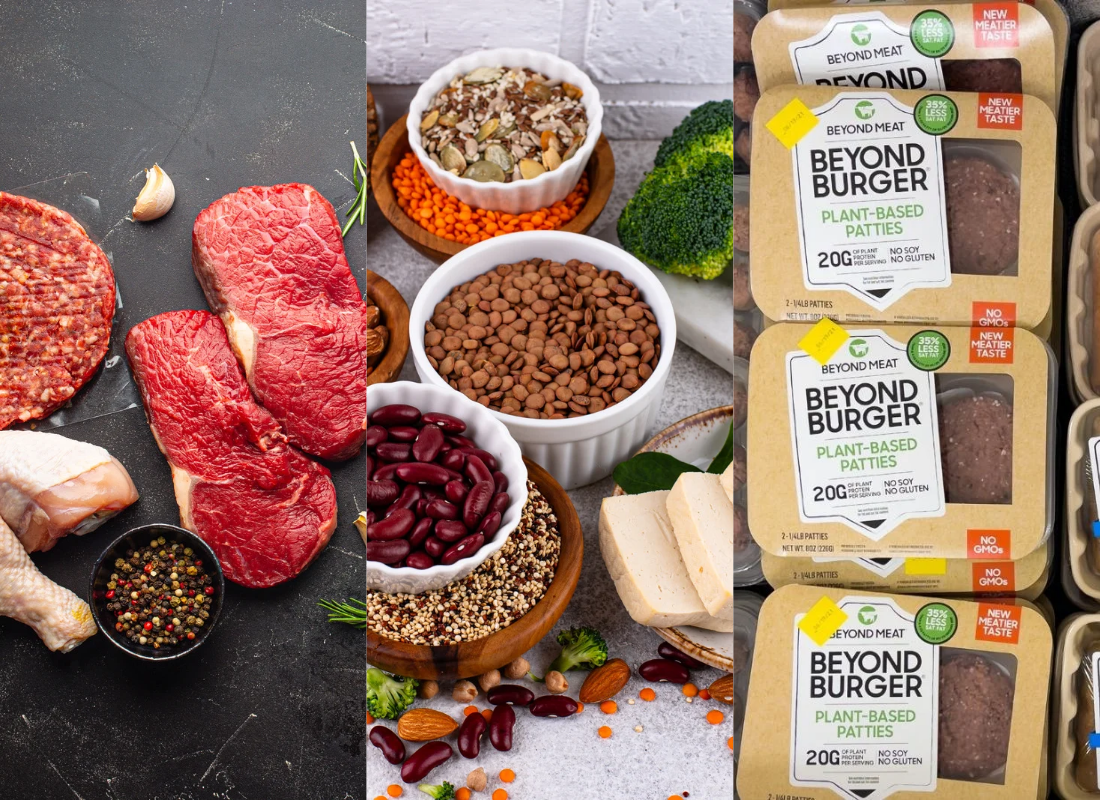
While whole-food plant-based dishes (e.g., lentils, vegetables) are highly cost-efficient, processed plant-based alternatives (like meat analogues) can be significantly more expensive—sometimes 2–4x the cost of conventional meat at retail level .
Strategic takeaway:
- Profitability is strongest when menus emphasize whole-food plant ingredients, not heavily processed substitutes
- Premium pricing works best when tied to experience, not just ingredients

3. Reduced Waste and Better Yield
Plant-based kitchens typically generate less waste and higher usable yield compared to meat-based operations.
Why?
- Vegetables and grains often have longer shelf lives
- Spoilage risk is lower than with fresh meat or seafood
- Trim loss is minimal (no bones, fat trimming, etc.)
Operationally, this leads to:
- Lower inventory shrinkage
- More predictable portion control
- Easier batch preparation
All of these factors contribute to higher effective margins, even beyond raw ingredient cost.
4. Menu Engineering Flexibility
Plant-based menus allow for greater modularity and cross-utilization of ingredients, which is a major cost-control advantage.
For example:
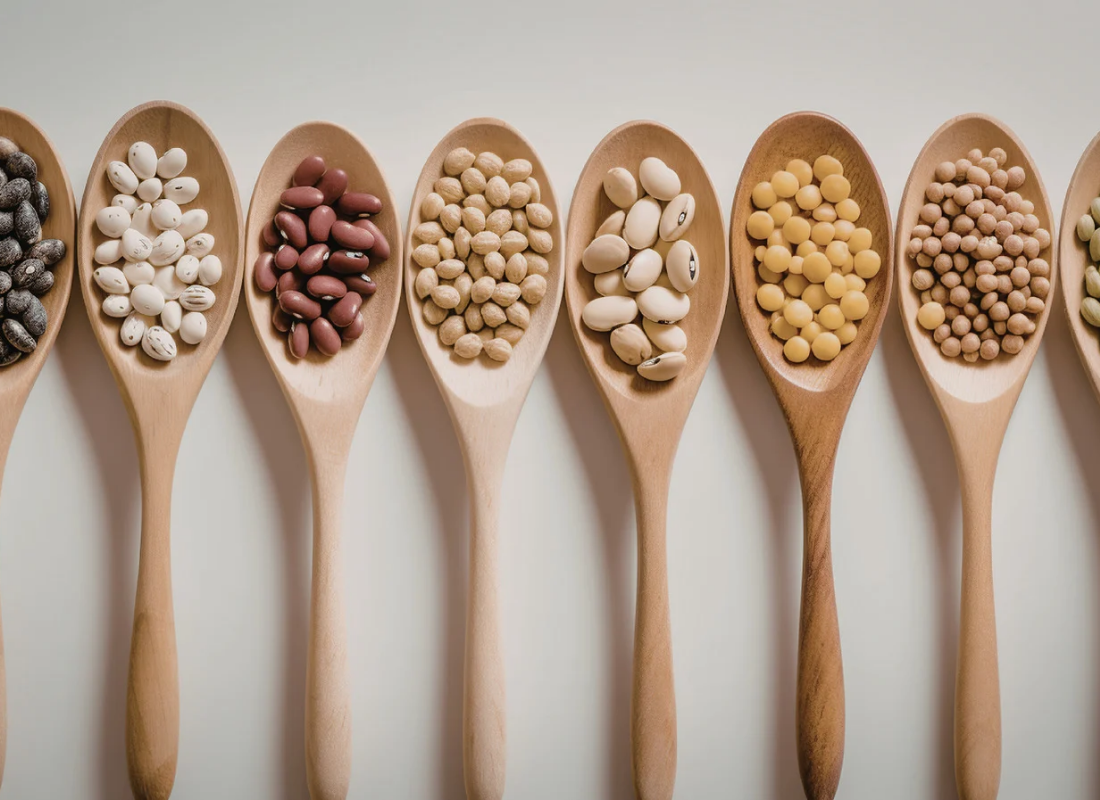
- One base ingredient (e.g., chickpeas) can be used across multiple dishes
- Sauces, grains, and vegetables can be repurposed easily
- Fewer specialized SKUs are required
This reduces:
- Procurement complexity
- Storage costs
- Overstock risk
From a financial perspective, this improves:
- Inventory turnover
- Cash flow efficiency
- Menu adaptability during price fluctuations

5. Demand Growth = Revenue Opportunity
Profitability is not just about cost—it’s also about demand volume.
Plant-based eating is being driven largely by flexitarians, not just vegans:
- Around 36% of consumers identify as flexitarian
- Over 50% of consumers are actively trying to eat more plant-based foods
This broad appeal means:
- Plant-based dishes attract incremental customers, not just niche audiences
- They increase menu inclusivity (dietary, ethical, health-driven)
- They reduce the risk of lost sales due to limited options
In many restaurants, plant-based dishes now represent a meaningful share of total sales, not just a token offering.

6. Labor Costs: A Hidden Trade-Off
While ingredient costs are lower, plant-based menus can introduce higher labor complexity, especially at the premium end.
Fine dining or high-end plant-based cuisine often requires:
- Advanced preparation techniques
- More intensive mise en place
- Creative transformation of raw ingredients
In some cases, this can push labor costs above industry norms, offsetting some of the ingredient savings.
The balance:
- Casual dining / QSR plant-based = highly profitable
- High-end plant-based = margin depends on execution efficiency

7. Supply Chain Stability and Risk Reduction
Animal protein markets are highly volatile due to:
- Climate impacts
- Feed costs
- Disease outbreaks
- Global trade disruptions
Plant-based ingredients, particularly staples like grains and legumes, tend to have:
- More stable pricing
- More diversified sourcing
- Lower geopolitical risk
This stability allows operators to:
- Forecast costs more accurately
- Protect margins over time
- Reduce dependency on high-risk commodities

8. The Profitability Equation: A Simple Breakdown
Let’s compare a simplified cost structure:
Meat-Based Dish
Ingredient cost: High
Waste: Moderate to high
Pricing ceiling: Moderate
Margin: ~60–70%
Plant-Based Dish (Whole Foods)
- Ingredient cost: Low
- Waste: Low
- Pricing cceiling: Moderate to high
- Margin: ~70–85%
Plant-Based Dish (Processed Alternatives)
- Ingredient cost: Moderate to high
- Waste: Low
- Pricing ceiling: High
- Margin: Variable
 9. Where Plant-Based Menus Can Fail
Despite the advantages, plant-based menus are not automatically profitable.
Common pitfalls include:
- Over-reliance on expensive meat substitutes
- Mispricing (customers expect cheaper vegan food in some markets)
- Limited demand in certain demographics
- Overcomplicated dishes increasing labor costs
Recent market corrections show that not all plant-based concepts succeed—especially when cost structures and customer expectations are misaligned.

10. How to Maximize Profitability
To fully capitalize on plant-based menus, operators should focus on:
1. Prioritize whole ingredients
Build dishes around legumes, grains, and vegetables—not just substitutes.
2. Engineer for margin
Design dishes with high perceived value but low input cost.
3. Optimize cross-utilization
Use overlapping ingredients across multiple menu items.
4. Balance pricing strategy
Avoid underpricing—plant-based does not have to mean “cheap.”
5. Control labor intensity
Standardize prep processes where possible.

Conclusion: Profitability Is Structural, Not Trend-Based
Plant-based menus are profitable not because they are trendy, but because their cost structure is fundamentally different.
Lower ingredient costs, reduced waste, and flexible menu engineering create a strong foundation for margins. When combined with growing consumer demand, this makes plant-based offerings a powerful lever for both profitability and resilience.
However, success depends on execution. Operators who treat plant-based as a strategic system—rather than a simple menu addition—are the ones seeing the strongest financial returns.