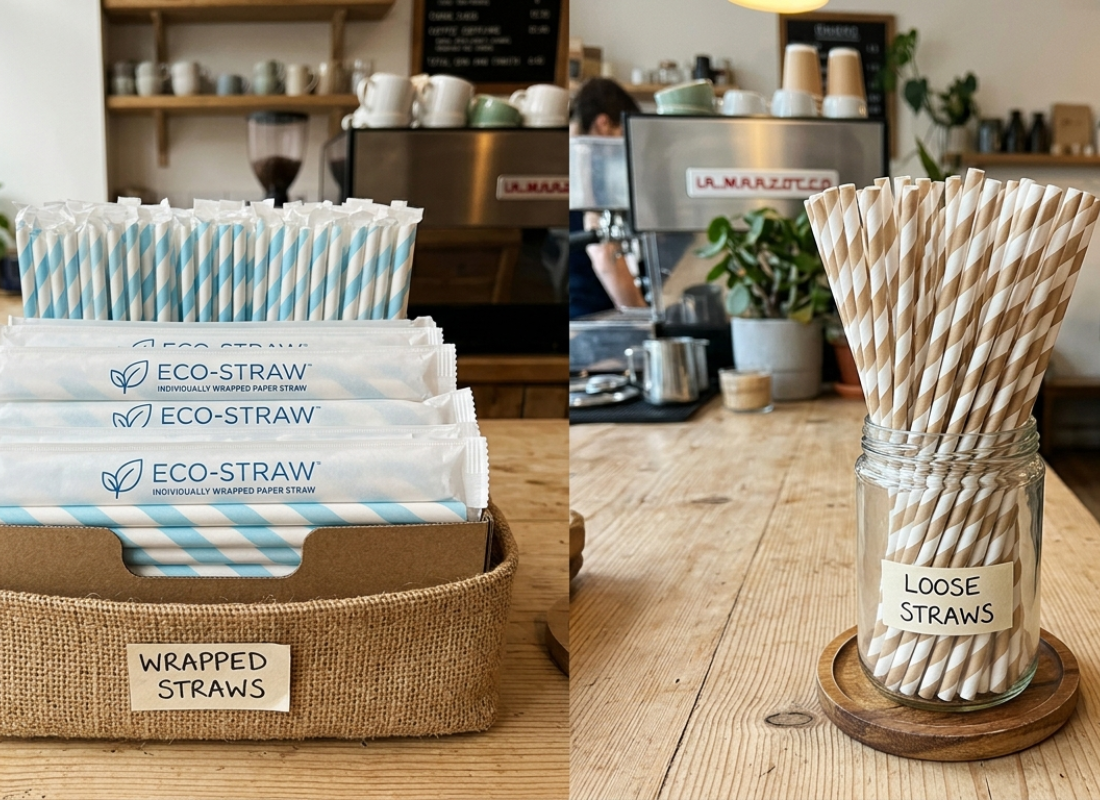
In restaurant operations, small details often have large operational consequences. One example that is frequently overlooked is straw packaging. While straws themselves are inexpensive, the way they are packaged—bulk or individually wrapped—can significantly impact hygiene practices, labor efficiency, waste generation, and overall guest perception.
For food and beverage managers, purchasing managers, and restaurant operators, understanding the operational implications of straw packaging can help optimize service, reduce costs, and maintain consistent hygiene standards. The choice between bulk straws and individually wrapped straws is not just a purchasing decision; it is an operational strategy.
The Operational Role of Straws in Restaurants
Straws are a standard accessory in many beverage services, from quick-service restaurants and cafés to large-scale hospitality venues. They are typically used for soft drinks, iced coffee, smoothies, cocktails, and takeaway beverages.
Because straws are used in high volumes, small inefficiencies can quickly scale into operational challenges. Packaging format influences how easily staff can store, handle, distribute, and maintain hygiene around straws.
While many operators focus on straw material—paper, plastic, bamboo, or other alternatives—packaging format often has an equally important operational impact.

Bulk Straws: Simplicity and Speed
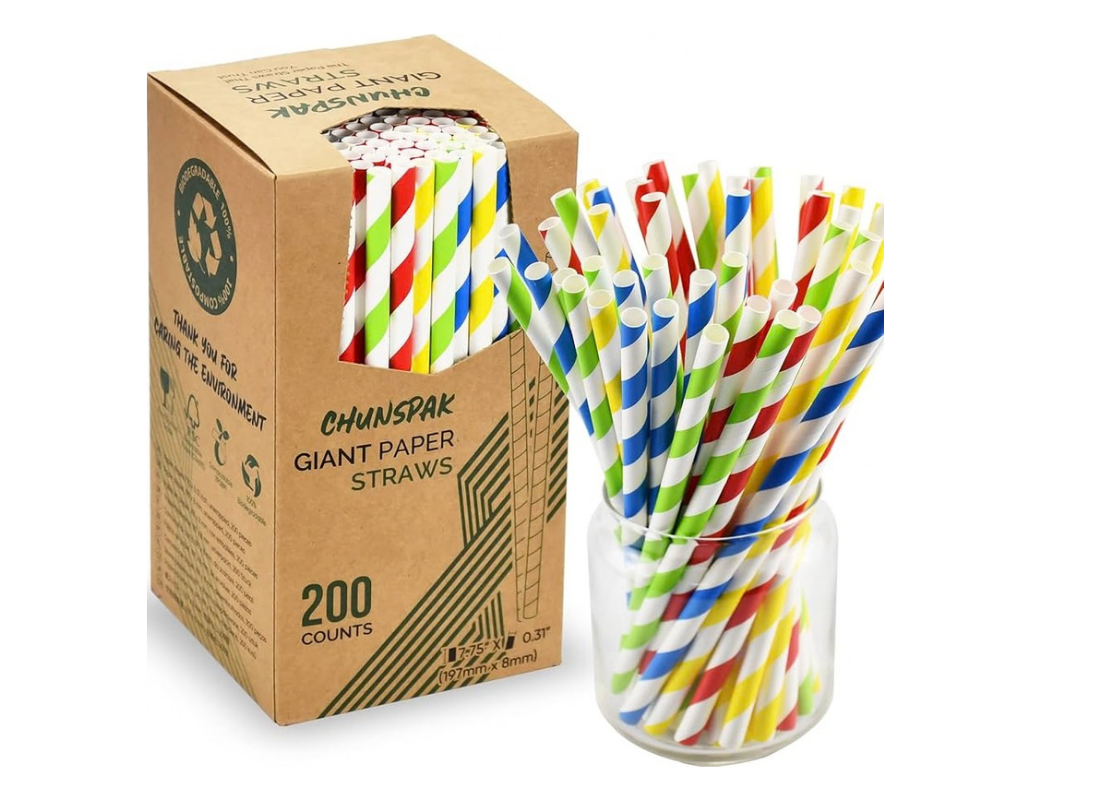
Bulk straws are typically delivered in large boxes or bags without individual wrapping. They are then placed into straw dispensers, containers, or open holders at beverage stations.
Advantages of Bulk Straws:
One of the biggest advantages of bulk straws is efficiency. Staff can quickly refill dispensers or containers without needing to open individual packages. This reduces preparation time and can improve service speed during busy periods.
Bulk packaging also tends to reduce packaging waste. Without individual wrappers, the overall amount of packaging material entering the restaurant’s waste stream is significantly lower. For operations focused on sustainability targets, this can be an appealing factor.
Bulk straws also require less storage space per unit. Because there is no individual wrapping, more straws can fit in a smaller volume, which can be helpful in restaurants with limited storage capacity.
Challenges with Bulk Straws:
Despite their operational simplicity, bulk straws can create hygiene concerns. When straws are placed in open containers or dispensers, they may be touched by multiple people before being used.
In self-service environments—such as fast food restaurants or beverage stations—customers may accidentally touch several straws before selecting one. This increases the risk of contamination and can create discomfort for guests who are concerned about hygiene.
Bulk straws also rely heavily on proper dispenser design. Without well-designed dispensers that release one straw at a time, the risk of cross-contact increases significantly.
Finally, staff training becomes important. Employees must handle straws properly when refilling dispensers to avoid contamination during restocking.

Individually Wrapped Straws: Hygiene and Perception
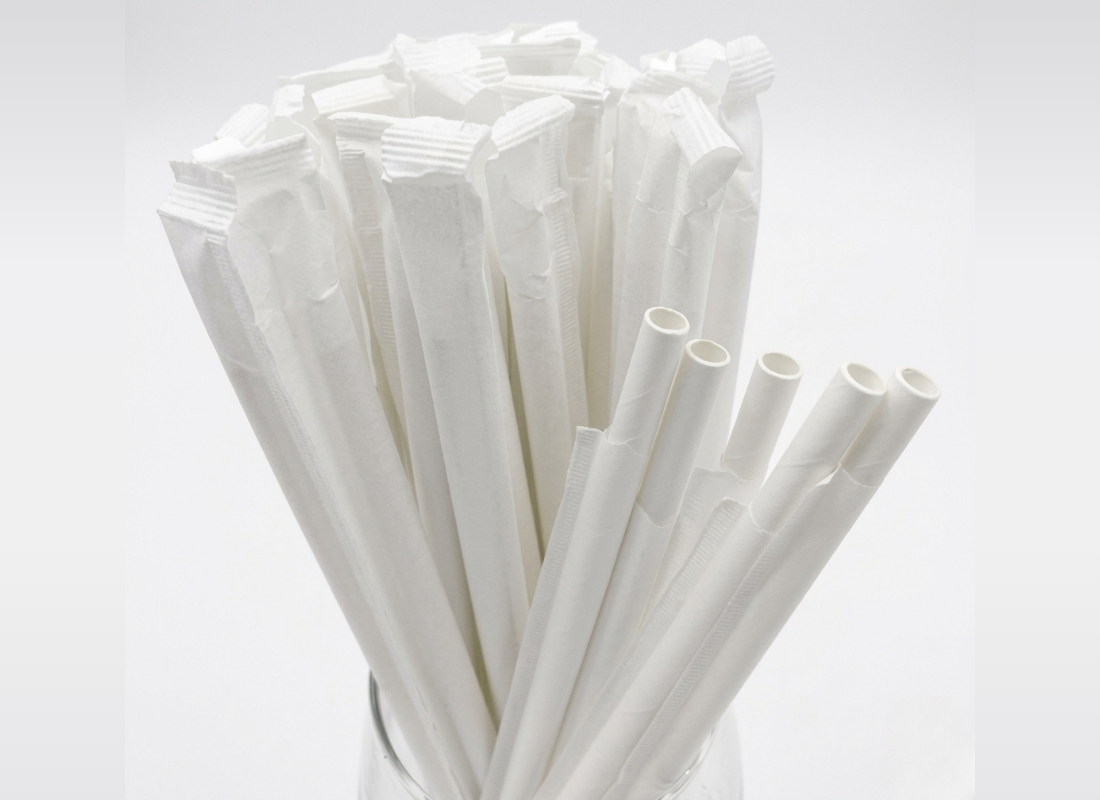
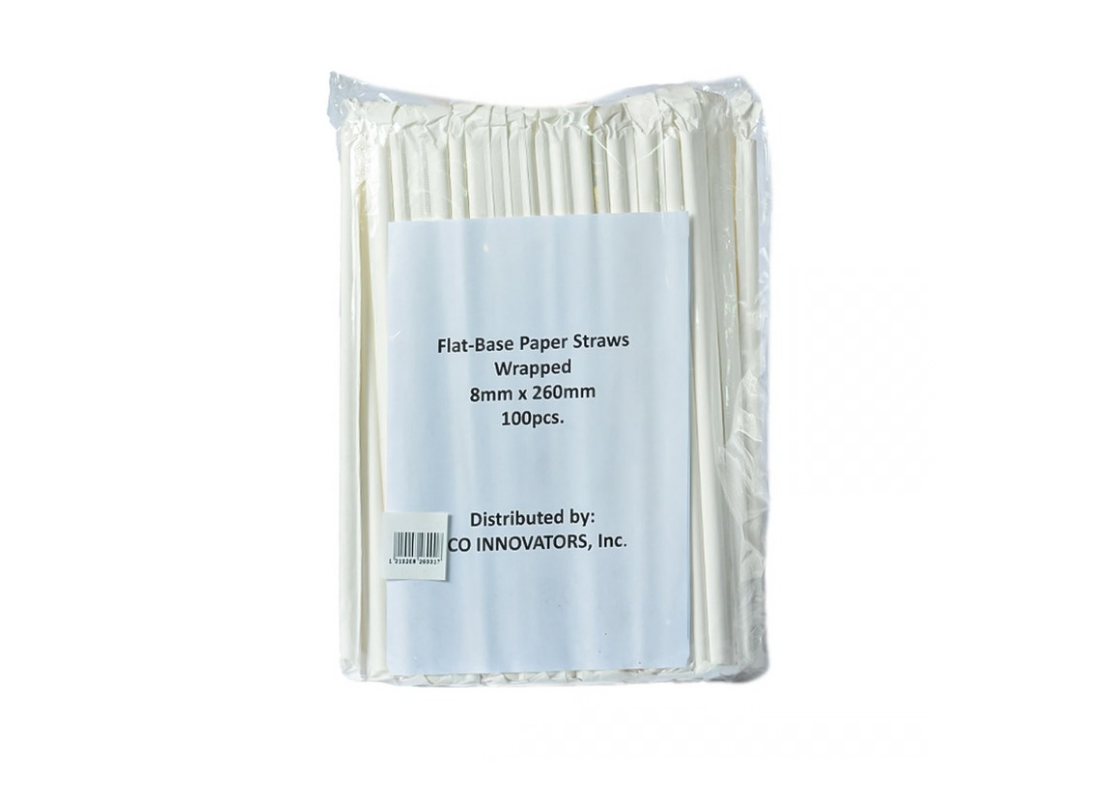
Individually wrapped straws are sealed in paper or plastic wrappers, protecting them from contamination until the moment they are used.
This packaging format is particularly common in full-service restaurants, takeaway operations, and delivery environments where hygiene assurance is a priority.
Advantages of Individually Wrapped Straws:
The primary benefit of individually wrapped straws is hygiene control. Because each straw remains sealed until the guest uses it, there is minimal risk of contamination during storage or service.
This can be especially important in environments where straws are placed directly on tables, inside takeaway bags, or alongside utensils.
Individually wrapped straws also improve guest perception of cleanliness. In an era where customers are increasingly aware of hygiene practices, visible packaging can provide reassurance that items have not been handled by others.
For delivery and takeaway services, individually wrapped straws are particularly practical. They can be included in packaging without concerns about sanitation during transportation.
Challenges with Individually Wrapped Straws:
Despite their hygiene benefits, individually wrapped straws introduce operational inefficiencies.
Staff must handle and open packaging when preparing drinks, which can slow down service in high-volume environments. Even small time increases per drink can become significant during peak hours.
Individually wrapped straws also generate more packaging waste. Each straw includes an additional layer of material that must be disposed of, increasing the total waste volume for the restaurant.
Storage is another consideration. Wrapped straws take up more physical space compared to bulk straws, which can complicate inventory management in smaller kitchens or bars.
Finally, individually wrapped products are often slightly more expensive due to the added packaging and manufacturing process.

Service Model Determines the Best Option
The choice between bulk and individually wrapped straws often depends on the restaurant’s service model.
Quick-service restaurants with self-serve beverage stations typically benefit from bulk straws used with controlled dispensers. These systems allow customers to take a straw easily while minimizing handling.
Full-service restaurants, on the other hand, may prefer individually wrapped straws because they are placed directly on tables or delivered with beverages by staff.
Takeaway-focused businesses often prioritize individually wrapped straws to maintain sanitation during transport and delivery.
Bars and cafés may use a hybrid approach—bulk straws behind the counter for staff use and wrapped straws for takeaway orders.

Hygiene Regulations and Industry Standards
Food safety regulations do not always specify exact requirements for straw packaging, but they generally emphasize preventing contamination of food-contact items.
Restaurants must ensure that items touching a customer’s mouth—such as straws, utensils, and cups—are stored and handled in a sanitary way.
Individually wrapped straws provide a straightforward compliance method because they reduce exposure before use.
Bulk straws can also meet hygiene standards if proper dispensers and handling procedures are in place. For example, enclosed straw dispensers that release one straw at a time can significantly reduce contamination risk.
Ultimately, packaging choice should align with the restaurant’s broader food safety policies.

Sustainability Considerations
Straw packaging also affects environmental impact.
Bulk straws generate less packaging waste per unit, which can help restaurants reduce their waste output. However, sustainability outcomes also depend on the straw material itself and the restaurant’s waste management systems.
Individually wrapped straws increase packaging waste but may reduce contamination and unnecessary disposal. For example, if bulk straws are frequently touched or dropped, they may need to be discarded before use.
Some suppliers are beginning to introduce compostable wrappers or minimal packaging solutions to balance hygiene with sustainability goals.

Making the Right Purchasing Decision
For restaurant operators, the best straw packaging choice depends on operational priorities.
Key questions to consider include:
- Is the beverage station self-service or staff-served?
- Are straws placed directly on tables or packaged with takeaway orders?
- How important is visible hygiene assurance for customers?
- How much storage space is available for supplies?
- What are the restaurant’s waste reduction goals?
Answering these questions can help operators select a packaging format that supports both operational efficiency and guest satisfaction.

A Small Detail with a Big Impact
Straw packaging may seem like a minor purchasing detail, but it can influence daily restaurant operations in several ways—from hygiene management to service speed and waste generation.
Bulk straws offer efficiency and reduced packaging waste, while individually wrapped straws provide stronger hygiene assurance and customer confidence.
For food and beverage managers, evaluating packaging format alongside straw material can lead to better operational decisions and a smoother service experience.
In an industry where margins are tight and service speed matters, even small operational choices—like straw packaging—can make a meaningful difference.